
You stand in the kitchen aisle, staring at three shiny black pans. Anolon. Calphalon. Circulon. All promise eggs that slide right off and cleanup that takes seconds. Your old nonstick looks like it survived a war, so you need a winner. But which one actually delivers?
I’ve cooked with all three over the years. Burned a few meals, scratched a couple surfaces, and learned the hard way what lasts and what doesn’t. Let’s break this down like we’re chatting over coffee, no sales pitch, just real talk.
Best Deals for Anolon, Calphalon and Circulon
Anolon Nonstick Cookware Set an Amazon : Amazon Special Low Price Deal!—>>
Calphalon Nonstick Cookware Set: 15% OFF Buy Now at Amazon !—>>
Circulon Nonstick Cookware Set: 14% OFF. Buy Now at Amazon!—>>
Quick Look at the Three Contenders
Anolon Nonstick Cookware
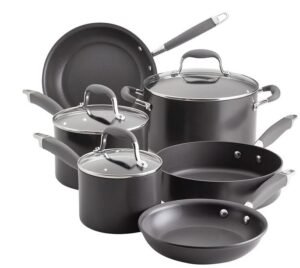
Anolon sits in the mid-to-premium lane. Meyer Corporation owns it, same parent as Circulon. Anolon pushes hard-anodized aluminum with fancy nonstick coatings. Some lines even mix in stainless steel mesh for better searing. Handles feel good in the hand. Many pieces go into the oven up to 500°F.
Calphalon Nonstick Cookware
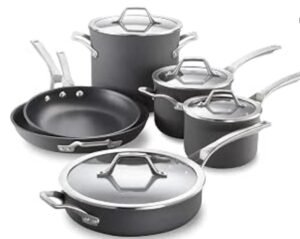
Calphalon built its name on thick hard-anodized aluminum. The pans feel solid and heavy. Triple-layer nonstick shows up on a lot of their sets. They heat evenly and hold temperature well. Some lines stack for small kitchens. Nonstick versions usually skip induction.
Circulon Nonstick Cookware
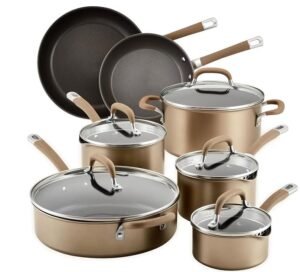
Circulon plays the everyday value game. Those raised circular grooves on the cooking surface? That’s their signature TOTAL Nonstick System. The idea is the high spots take the abuse so the low spots stay slick longer. Pans cost less than the other two most of the time. Oven limits often sit around 400°F, though some newer lines push higher.
Ever flipped an egg and watched it stick no matter what? Yeah, me too. These brands all claim to fix that. Reality depends on how you cook and how careful you stay.
Materials and Build Quality
Hard-anodized aluminum rules this fight. The process hardens the metal so it resists corrosion and warping better than plain aluminum. All three use it for most nonstick lines.
Anolon builds solid bodies. Some collections add copper or steel bases for faster, more even heat. The Anolon X line goes hybrid—hard-anodized aluminum with a stainless steel mesh fused into the nonstick. You get better browning than plain nonstick but still easier release than pure stainless. Handles often come with SureGrip silicone for comfort. Rivets sit flush on higher-end pieces so food doesn’t hide.
Calphalon goes thick. Their Premier and Signature lines feel heavier in the hand. That extra metal helps heat retention. Triple-layer PTFE coating covers the cooking surface. Stainless handles stay cooler longer. Lids are usually tempered glass so you can peek without lifting. One downside: most nonstick Calphalon skips induction. The body works great on gas and electric, but magnetic cooktops need different options.
Circulon keeps things practical. Hard-anodized aluminum again, plus those raised circles. The grooves protect the coating from utensil scrapes, at least in theory. Some lines add stainless steel bases for induction. Handles feel sturdy, though a few older ones run a bit hollow and can collect water in the dishwasher. Build quality holds up for daily use, just not quite as refined as Anolon’s higher lines.
I once dropped a Circulon skillet on the floor. It survived with a small dent. My old cheap pan would have warped. Still, Anolon and Calphalon feel a notch sturdier overall.
Nonstick Performance and How Long It Lasts
This is where the rubber meets the road—or the egg meets the pan.
Anolon’s Infinity Slide or sapphire-reinforced coatings claim longer life than basic nonstick. Food releases with little or no oil when the pan is new. Eggs slide. Fish fillets lift clean. Over time the coating dulls like every PTFE surface. With silicone utensils and medium heat, you get three to five solid years. Abuse it and the window shrinks fast.
Calphalon starts strong too. Triple layers give extra protection. Scrambled eggs come out clean. Pancakes flip easy. The heavy body helps the surface stay consistent. Coating life lands in the same two-to-five-year range for most home cooks. Metal utensils will leave marks even if the box says “safe.” Hand-wash and go easy on the heat if you want maximum years.
Circulon leans on those raised circles. The high spots take the scraping so the valleys keep releasing food. Brand claims say the system lasts 15 times longer than ordinary nonstick. Real kitchens show mixed results. Some people love the durability. Others notice food traps in the grooves and cleaning takes extra effort. Newer ScratchDefense lines hold up better in tests. Expect solid everyday performance, especially if you stay under high heat.
I cooked eggs in all three side by side one morning. Fresh pans? All three released clean. After six months of regular use, Anolon and Calphalon still felt slicker than Circulon. The grooves on Circulon started holding onto bits of egg white. Not a dealbreaker, just noticeable.
Key takeaway: No nonstick lasts forever. Treat them right—medium heat, soft tools, hand wash when you can—and any of these will serve you well for years.
Heat Distribution and Real Cooking Results
Even heat matters more than people admit. Hot spots burn garlic before the rest of the pan catches up.
Anolon heats quickly. The aluminum conducts well. Some lines with bonded bases spread heat better up the sides. Great for searing chicken or reducing sauces. Anolon X’s steel mesh adds real browning power you rarely get from pure nonstick.
Calphalon shines here. That thick hard-anodized body soaks up heat and holds it. Once the pan is hot, temperature stays steady. Perfect for simmering stews or frying larger batches. It takes a minute longer to heat than thinner pans, but the results stay consistent.
Circulon performs solidly. Heat moves evenly across the base. The grooves can create slight temperature differences, though most cooks never notice. Good for weeknight stir-fries and scrambled eggs. High-heat searing works okay, but pure stainless or cast iron still wins for deep crusts.
I made the same stir-fry in each brand. Anolon and Calphalon gave more even browning on the veggies. Circulon got the job done without burning anything. All three handled medium heat without drama.
Rhetorical question time: Why spend more if the cheap pan cooks fine? Because the better ones forgive small mistakes and feel more confident under your hand.
Cleaning, Care, and Daily Hassle
Nonstick wins on cleanup. That’s the whole point.
Anolon cleans easy. Exterior nonstick on some lines means less scrubbing of the outside. Flat rivets help. Dishwasher safe on many pieces, though hand washing keeps the coating happier longer.
Calphalon cleans well too. Glass lids trap less grease than solid ones sometimes. Stackable designs save cabinet space. Exterior can stain if you leave it dirty. Hand washing still beats the dishwasher for longevity.
Circulon needs a bit more attention. Those grooves trap food particles. A soft sponge and warm soapy water usually clear them, but you notice the extra step. Dishwasher safe options exist. The coating holds up to metal better than most, which is nice if you forget and grab a fork.
Pro tip from my kitchen: Never put a hot nonstick pan under cold water. Thermal shock shortens life. Let it cool, then wash. And skip the steel wool every time.
I once left a Circulon pan in the sink overnight. Food stuck in the rings like cement. Took five minutes of soaking. Anolon and Calphalon forgave me faster.
Price, Value, and What You Actually Get
Circulon usually costs the least. Solid sets land in the affordable range. Great if you want decent nonstick without big spend.
Anolon sits higher. You pay for better handles, sometimes nicer coatings, and hybrid options. Sales bring it closer to Calphalon prices.
Calphalon matches or exceeds Anolon on thicker sets. Lifetime warranties show up across the board, though they rarely cover normal coating wear.
Value depends on how you cook. Daily eggs and quick meals? Circulon saves money. Serious home cooking with searing and oven finishes? Anolon or Calphalon feel worth the extra.
IMO, buy individual pieces first. Test a skillet. If you love it, expand the set. Full sets look tempting but lock you into sizes you may not need.
Who Should Pick Which Brand?
Choose Anolon if:
- You want comfortable handles and solid everyday performance
- Hybrid searing options appeal to you
- You’re okay spending a bit more for refined feel
Choose Calphalon if:
- Thick, heavy pans that hold heat make you happy
- You like stackable designs and measuring marks
- Even cooking for larger batches matters most
Choose Circulon if:
- Budget sits high on the list
- You want the groove system and metal-utensil tolerance
- Everyday nonstick without frills fits your style
I keep an Anolon skillet for eggs and a Calphalon sauté pan for bigger jobs. Circulon lives in the camping box because it’s tough enough for outdoor use. Different tools for different days.
Side-by-Side Comparison Table
| Feature | Anolon | Calphalon | Circulon |
|---|---|---|---|
| Main Material | Hard-anodized aluminum | Hard-anodized aluminum | Hard-anodized aluminum |
| Nonstick Tech | Infinity Slide / multi-layer | Triple-layer PTFE | TOTAL System with grooves |
| Oven Safe | Up to 500°F (varies) | 450–500°F | Mostly 400°F, some higher |
| Induction | Varies by line | Rarely on nonstick | Varies, better on newer lines |
| Weight Feel | Medium | Heavier | Medium |
| Price Range | Mid to higher | Mid to higher | Lower to mid |
| Best For | Balanced performance | Heat retention | Everyday value |
| Cleaning Notes | Easy, flat rivets help | Easy, can stain exterior | Grooves need extra attention |
Frequently Asked Questions
Do any of these last longer than basic nonstick?
Yes, the better coatings and thicker builds stretch the life to three to five years with care. None beat well-seasoned cast iron for decades of use.
Can I use metal utensils?
Circulon markets some lines as metal-safe. Anolon and Calphalon say the same on certain collections. Soft tools still protect the surface better. FYI, scratches happen eventually either way.
Are they PFOA-free?
Modern lines from all three brands skip PFOA. Always check the current packaging if that matters to you.
Which one works best on induction?
Look at specific models. Circulon and some Anolon lines offer magnetic bases more often than standard Calphalon nonstick.
Should I buy a full set or single pans?
Start with a 10- or 12-inch skillet. You’ll use it most. Expand later once you know the brand fits your style.
Final Thoughts
No single brand wins every category. Anolon edges ahead for overall balance and comfortable daily use. Calphalon owns heat retention and solid construction. Circulon takes the value crown and the unique groove design.
I still reach for my Anolon most mornings. The handle feels right, eggs slide off, and cleanup stays simple. Your kitchen might prefer Calphalon’s heft or Circulon’s lower price.
Test one pan if you can. Cook your usual breakfast. See how it feels in your hand and how the food behaves. That personal test beats any review.
Now go pick a winner and make something good for dinner. Your old sticky pan has suffered enough.