
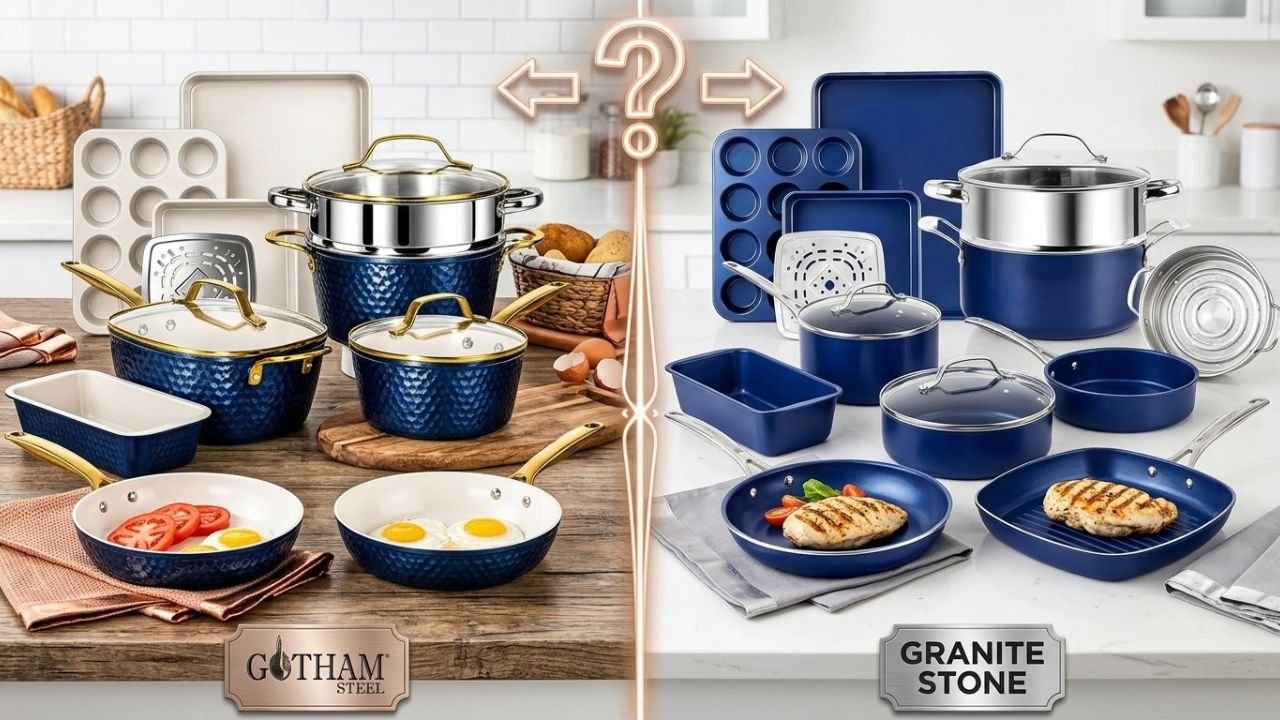
You ever stand in your kitchen, staring at a sticky pan that once promised eggs would just slide right out, and think, “Why does this keep happening?” Yeah, me too. I bought into the nonstick hype more times than I want to admit. One week it’s Gotham Steel with that shiny copper look. Next it’s Granite Stone with the speckled granite vibe. Both claim to be the ultimate easy-cook, easy-clean solution. Both show up everywhere in ads. So which one actually holds up when you’re scrambling eggs at 7 a.m. or searing chicken after a long day?
I spent real time cooking with both. I flipped eggs, browned ground beef, made sauces, and even tried the “no oil needed” claim. Spoiler: neither brand lives forever like the commercials suggest. But one did edge out the other for my everyday cooking. Let’s break it down like we’re chatting over coffee, no sales pitch, just straight talk.
Gotham Steel vs Granite Stone Cookware Discounted Deals

Buy Now Gotham Steel Cookware Set: 20% OFF Limited Time Deal!
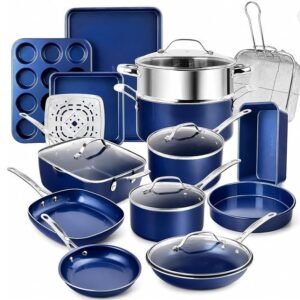
Buy Now GRANITE STONE Cookware Set: 37% OFF Limited Time Deal!
Quick Look at Both Brands
Both Gotham Steel and Granite Stone come from the same parent company, Emson. That “As Seen on TV” world. They target the same budget-friendly nonstick shoppers who want something better than the flimsy pans that fail after three months.
Gotham Steel pushes a titanium and ceramic coating they call Ti-Cerama. Many of their pans have that copper-colored interior that looks fancy on the stove. They market it as super durable and metal-utensil safe.
Granite Stone goes for a mineral-infused, granite-like speckled coating. It looks more stone-inspired and claims strong scratch resistance with easy food release.
Both are lightweight aluminum bases. Both say PFOA and PTFE free (more on that later). Both claim oven safe to 500°F and dishwasher safe. Both sit in the budget-to-mid range, usually $20–$40 for a single pan or under $150 for bigger sets.
Here’s the thing I noticed right away: the marketing for both feels over-the-top. “Food slides right out with zero oil!” Sounds great until real life hits. Ever tried that with eggs and watched them cling anyway? Yeah.
Nonstick Performance: Does Food Really Slide Off?
This is the big selling point, right? Who wants to scrub stuck-on eggs or cheese?
I tested both with the classic egg scramble. Fresh out of the box, both performed solid. Eggs released with a little butter or oil. Without any fat? They needed a gentle nudge. The “no oil needed” claim feels more marketing than reality for daily cooking.
Gotham Steel started strong. The ceramic-titanium surface felt slick. Pancakes flipped clean for the first few weeks. Then I noticed spots where food started grabbing, especially after higher heat.
Granite Stone held its nonstick feel a bit longer in my kitchen. The mineral coating seemed to release food more consistently through the first couple months. Omelets slid easier. Cleanup stayed quicker.
Key takeaway: Both work great when new. Granite Stone kept the easy release going a little further for me. Neither replaces a well-seasoned cast iron if you cook high-heat often.
Rhetorical question time: How many times have you bought a “miracle” nonstick pan only to watch it lose its magic after a few months of real use? Exactly.
Durability and Scratch Resistance
I hate babying cookware. I want something that handles normal kitchen life.
Gotham Steel claims metal utensils are fine. I tried a metal spatula carefully. Fine at first. After a few weeks of regular use, I saw fine scratches. The coating didn’t peel dramatically, but the nonstick power dropped in those scratched spots. Thin aluminum also means these pans can warp if you go from hot burner to cold sink too fast. I warped one. Lesson learned the hard way.
Granite Stone felt a touch tougher. The speckled mineral surface resisted light scratches better in my tests. Still, metal utensils will eventually mark it. I stuck to silicone and wood most of the time. The coating lasted longer before noticeable wear. Some reviewers online say the same—Granite Stone holds up a few months more under similar use.
Neither is “forever” cookware. Expect 6–14 months of solid performance if you’re careful. Hand wash them. Avoid high heat. Don’t stack them without protection. Treat them like temporary helpers, not heirlooms.
Bold truth: Budget nonstick from either brand needs replacement more often than premium options. That’s just how this category works.
Heat Distribution and Everyday Cooking
Thin aluminum heats fast. That’s a plus when you’re hungry and don’t want to wait.
Gotham Steel pans heat up quick. I liked that for morning eggs. But heat retention? Not great. The thin walls lose heat fast when you add cold food. Hot spots showed up more on higher settings. Searing a steak felt uneven sometimes.
Granite Stone performed a little more evenly in my side-by-side tests. Still thin, still not great at holding heat like thicker clad pans, but fewer cold spots for things like pancakes or sautéed veggies. Both struggle with high-heat searing. If you love a hard crust on meat, these aren’t your best tools. Medium heat is their sweet spot.
I cooked the same chicken thighs in both. Granite Stone gave slightly more consistent browning. Gotham Steel got the job done but needed more babysitting.
Build Quality, Handles, and Design
Handles matter more than people admit. You grab these things hot, after all.
Gotham Steel uses stay-cool claims and ergonomic shapes. Some of mine still got warm after long cooking. The copper look looks sharp on the counter. Sets often include matching bakeware, which is convenient.
Granite Stone has a more utilitarian speckled look. Handles felt similar—comfortable enough but not premium. Some models come lighter, which I liked for flipping. Lids are tempered glass with steam vents on both. Useful for monitoring without lifting.
Weight-wise, both stay lightweight. Easy to lift even when full. That’s a real win if you have wrist issues or just hate heavy cast iron every day.
Induction? Check the specific model. Some newer collections from both work. Older ones often don’t. Always verify if you have an induction stove.
Safety and Materials
Both brands push the “toxin-free” angle hard. Gotham Steel leans on its ceramic-titanium coating and says free of PFOA, PTFE, PFOS. Granite Stone talks natural minerals and similar free-from claims.
I cook for my family, so this stuff matters. Ceramic-style coatings generally handle higher heat without the same concerns traditional Teflon had. Still, never overheat empty pans. And once the coating chips or wears heavily, replace them. No point risking it.
FYI, I still prefer wooden or silicone utensils on both to keep the surface happier longer. 🙂
Cleaning and Maintenance
This is where nonstick shines when it works.
Wipe both pans with a soft sponge and mild soap. Most food comes right off when the coating is fresh. Dishwasher safe? Technically yes for both. I hand washed almost everything. Dishwasher heat and detergent can shorten the nonstick life. Not worth the risk for me.
Avoid abrasive scrubbers. No steel wool. Treat the surface gently and it rewards you longer.
Price and Value
Both brands stay budget-friendly. Single pans often land $20–$35. Full sets run $80–$150 depending on piece count and current deals.
Gotham Steel sometimes feels a tad cheaper on big sets. Granite Stone can cost a little more but often delivers slightly better longevity in user reports and my own experience.
Value depends on how you cook. If you replace pans every year or two anyway and want something cheap that works decently, either works. If you want maximum months of good nonstick before replacing, Granite Stone pulled ahead for me.
My Personal Experience Side by Side
I ran both in my kitchen for months. Same stove, same recipes, same cleaning routine.
Gotham Steel: Great first impression with the copper color. Eggs released nicely early on. After about two months of near-daily use, sticking increased. One pan warped slightly from a hot-to-cold mistake. Still usable, just not impressive.
Granite Stone: Quieter look, solid performance. Nonstick held stronger into month three and four. Cleaning stayed easier longer. Heat felt a bit more even. I reached for it more often once the honeymoon phase ended for both.
Neither replaced my better pans for serious cooking. But for quick weeknight meals and easy cleanup? Both did the job better than cheap drugstore nonstick.
IMO, if I had to pick only one for a friend on a budget who cooks mostly medium-heat everyday food, I’d point them toward Granite Stone. Slight edge in durability and consistent release.
Who Should Buy Gotham Steel?
Go Gotham Steel if:
- You like the copper aesthetic
- You want the absolute lowest price on a set
- You mostly cook low-to-medium heat and replace pans regularly
- Lightweight and fast heating matter most
Who Should Buy Granite Stone?
Pick Granite Stone if:
- You want the coating to last a bit longer
- You prefer the speckled granite look
- Everyday nonstick performance and easier release rank higher
- You’re okay spending a few dollars more for slightly better staying power
The Honest Bottom Line
Neither brand is premium cookware. Both deliver solid budget nonstick performance that works well when new and declines over months. Granite Stone gave me better overall results in real kitchen use—stronger nonstick longevity and a touch more even heating. Gotham Steel wins on pure affordability and that eye-catching copper style.
If your current pans stick and frustrate you every morning, either of these will feel like an upgrade at first. Just go in with eyes open. These are not lifetime pans. Treat them gently, hand wash, stick to medium heat, and enjoy the easy cleanup while it lasts.
What about you? Do you already own one of these, or are you still deciding? I’ve burned enough eggs in the name of testing that I’m happy to chat more in the comments.
Gotham Steel vs Granite Stone Cookware Comparison Table
| Feature | Gotham Steel | Granite Stone |
|---|---|---|
| Coating | Titanium + Ceramic (Ti-Cerama) | Mineral / Granite-infused |
| Base Material | Aluminum (some hard-anodized) | Pressed aluminum |
| Nonstick Longevity | 6–9 months typical careful use | 10–14 months typical careful use |
| Scratch Resistance | Moderate | Slightly better |
| Heat Distribution | Fast but some hot spots | Fast and slightly more even |
| Weight | Lightweight | Lightweight |
| Oven Safe | Up to 500°F | Up to 500°F |
| Dishwasher Safe | Yes (hand wash recommended) | Yes (hand wash recommended) |
| Induction Compatible | Some models | Some models |
| Price Range (single pan) | $20–$30 | $25–$35 |
| Best For | Budget sets, copper look | Slightly longer everyday use |
FAQs
Is Gotham Steel better than Granite Stone?
Not overall in my experience. Granite Stone held its nonstick performance longer and felt a bit more consistent. Gotham Steel is often cheaper and looks flashier.
Do these pans really need no oil?
Marketing says yes. Real cooking says a little oil or butter makes everything better and protects the coating. I never cook completely dry in either.
How long do they actually last?
With careful use (medium heat, soft utensils, hand washing), expect solid performance for several months up to a year or a bit more. Aggressive use shortens that fast.
Are they safe?
Both market themselves as free from PFOA and certain other chemicals. Stick to recommended temperatures and replace when the coating wears significantly.
Can I use metal utensils?
Both claim yes. I still avoid them. Silicone and wood keep the surface happier longer. Why risk it?
Which is better for induction?
Depends on the exact model. Check the product listing carefully. Not all pieces from either brand work on induction.
Should I buy a full set or single pans?
Start with a couple key pieces (10-inch skillet and a saucepan) if you’re unsure. Full sets give matching looks and better value if you need everything.
There you go. Straight talk from someone who’s actually cooked in both. Pick the one that fits your cooking style and budget, treat it right, and enjoy the easier cleanup while it lasts. Your mornings might just get a little less sticky.