
Ever stood in the cookware aisle and felt your brain short-circuit? Yeah, me too. You’re holding a shiny aluminum pan in one hand and a pretty ceramic one in the other. Your inner voice whispers: “Which one won’t poison my family or fall apart in six months?”
I’ve been there. I’ve burned through more pans than I care to admit. Some lasted years. Others died a sad, sticky death within months. So let’s cut through the marketing nonsense and figure out what actually matters when you’re choosing between aluminum and ceramic cookware.
The Safety Question: What’s Really Hiding in Your Pan?
Let’s tackle the elephant in the kitchen first. Safety. Because nobody wants to serve dinner with a side of toxic metal.
Aluminum Cookware: The Good, the Bad, and the Confusing
Aluminum pans are everywhere. They’re cheap, they heat up fast, and restaurants use them like crazy. But here’s where things get tricky.
Uncoated aluminum is a reactive material. That means it plays chemistry experiments with acidic foods . Think tomato sauce, lemon juice, vinegar. When you cook these in bare aluminum, small amounts of metal can leach into your food .
How much actually gets in? Research says the amount is typically small . But here’s the catch: old, scratched, and cheap aluminum pans leach more than new, well-made ones . If you’ve got a beat-up pan from your college days with scratches deeper than your ex’s emotional damage, it’s probably time to let it go.
The Alzheimer’s scare? The Alzheimer’s Association says normal aluminum cookware use isn’t a major risk factor . Scientists haven’t found a direct cause-and-effect link . So you can stop panicking about that one.
Hard-anodized aluminum is different. The electrochemical process seals the surface, making it non-reactive and scratch-resistant . This stuff doesn’t leach like raw aluminum does . It’s the aluminum pan that actually behaves itself.
Ceramic Cookware: Pretty Face, Hidden Secrets
Ceramic sounds wholesome, right? Like something your grandma would approve of.
Here’s the truth: most “ceramic” cookware isn’t pure ceramic. It’s a metal base (usually aluminum) with a ceramic coating on top . The coating is made from silicon and oxygen, often derived from sand . That’s the part touching your food.
Good news first: ceramic coatings contain no PTFE, PFOA, or other PFAS chemicals . Those are the “forever chemicals” linked to thyroid issues, liver problems, and some cancers in long-term studies . If that stuff worries you, ceramic is a solid choice.
But here’s the catch nobody mentions. Cheap ceramic cookware can contain lead and cadmium in the glaze . Research from China found that some ceramic pots release these heavy metals, especially with acidic foods or long cooking times .
The lesson? Don’t buy ceramic from a sketchy brand you’ve never heard of. Quality matters here. A lot.
So Which Is Actually Safer?
Both can be safe if you choose wisely. Here’s the honest breakdown:
-
Hard-anodized aluminum: Very safe, non-reactive, doesn’t leach
-
Raw aluminum: Safe for non-acidic foods, but avoid tomatoes and lemon juice
-
Quality ceramic-coated: Safe, PFAS-free, but check for heavy metal testing
-
Cheap ceramic: Riskier due to potential lead/cadmium in glaze
Performance: How Do They Actually Cook?
Safety is great. But a pan that can’t cook an egg without turning it into abstract art is useless.
Heat Conductivity: Aluminum Wins This One
Aluminum is a heat-conducting rockstar. It heats up fast and spreads heat evenly . No waiting around. No frustrating hot spots where your pancakes burn in the center while staying raw at the edges.
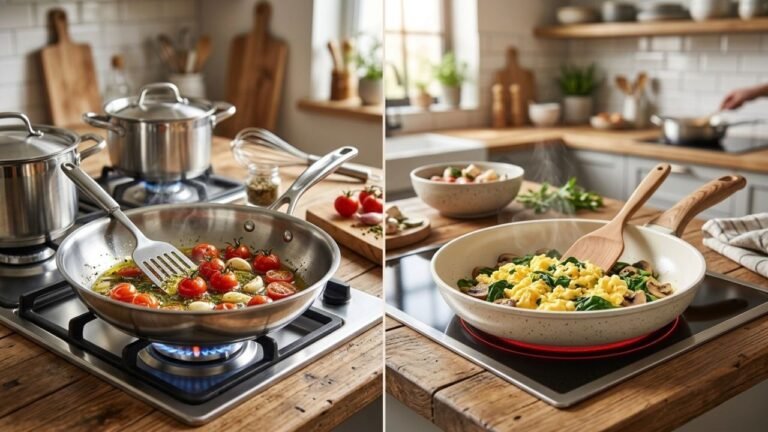
Ceramic-coated pans are slower. The metal base still conducts heat, but the ceramic layer adds a buffer . It’s not bad, just different. Think gentle, steady heat rather than instant sizzle .
What does this mean for you?
-
Aluminum: Better for searing, stir-frying, quick weeknight meals
-
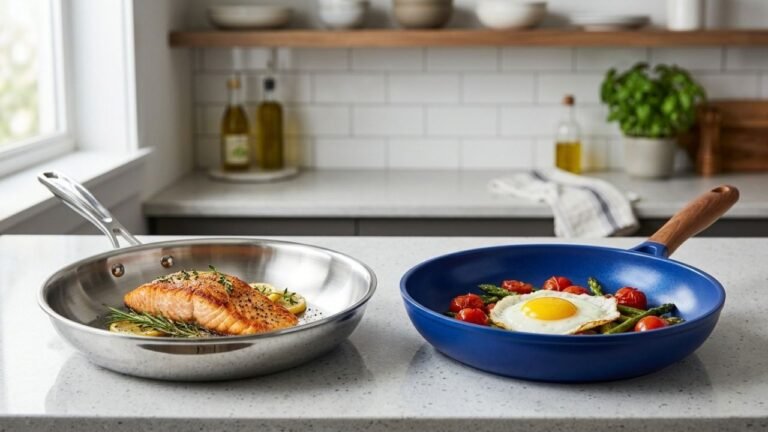
Ceramic: Better for eggs, pancakes, delicate fish, low-to-medium heat cooking
Nonstick Performance: Ceramic Takes the Crown
If you’ve ever tried to cook eggs in bare aluminum, you know the pain. Scrambled eggs become scrambled cement.
Ceramic coatings are naturally nonstick. They release food beautifully for the first year or two . You can cook with way less oil or butter. Cleanup is a breeze.
Hard-anodized aluminum is better than raw aluminum, but it’s not truly nonstick unless it has an additional coating . A hard-anodized pan with a PTFE coating works great—but then you’re back to the “forever chemical” debate .
High Heat: Know Your Limits
Here’s where things get dangerous. Not dangerous-dangerous, but “ruin your pan” dangerous.
Ceramic coatings hate high heat. Push them too hard, too often, and the nonstick layer breaks down fast . You’ll be left with a sticky mess that’s basically a crappy aluminum pan.
Hard-anodized aluminum handles heat better . You can sear a steak without worrying about destroying your pan. Just don’t go crazy with raw aluminum—it can warp or even melt if you get stupid with it .
Durability: Which One Lasts Longer?
This is where a lot of people get surprised. The pretty ceramic pan often doesn’t last as long as the boring aluminum one.
Aluminum: The Tough Old Workhorse
Hard-anodized aluminum is genuinely durable. The surface resists scratches and corrosion . Treat it reasonably well, and it’ll stick around for years.
Regular aluminum? Less impressive. It dents. It warps. It scratches easily . But it’s also cheap enough that replacing it doesn’t hurt too much.
Ceramic: The Beautiful but Fragile Option
Ceramic coatings are thinner and more delicate than traditional nonstick . High heat, metal utensils, rough scrubbing—they all wear it down.
How long does it actually last?
-
With careful use: 1-3 years of good nonstick performance
-
With abuse: Maybe 6 months before everything sticks
The coating chips and scratches. Once that happens, the nonstick magic is gone.
The Verdict on Longevity
Hard-anodized aluminum wins for pure durability. But if you take care of a quality ceramic pan (wooden utensils, low heat, hand washing), it can last a respectable 2-3 years before needing replacement.
Cost: What Does Your Wallet Say?
Let’s talk money. Nobody wants to spend a fortune on something that’ll be landfill fodder in a year.
Aluminum: Budget-Friendly Champion
Raw aluminum is dirt cheap. You can get a basic set for under $50. Hard-anodized costs more—maybe $30-$80 per pan—but it’s still affordable compared to high-end options .
Ceramic: Middle of the Road
Ceramic-coated pans sit in the middle. Cheaper than premium stainless steel, but more expensive than basic aluminum. A decent ceramic skillet runs $25-$60.
But here’s the math that matters: if ceramic only lasts 2 years and hard-anodized aluminum lasts 5, the aluminum is actually cheaper per year of use.
That said, cheap ceramic is a gamble. A $15 ceramic pan from a no-name brand might have glaze issues or fail within months. Spend a bit more for quality.
Maintenance: How Much Work Are We Talking?
Aluminum Care
-
Raw aluminum: Hand wash, avoid acidic foods, don’t let it sit with tomato sauce
-
Hard-anodized: Hand wash recommended, avoid metal utensils, don’t use abrasive cleaners
Ceramic Care
-
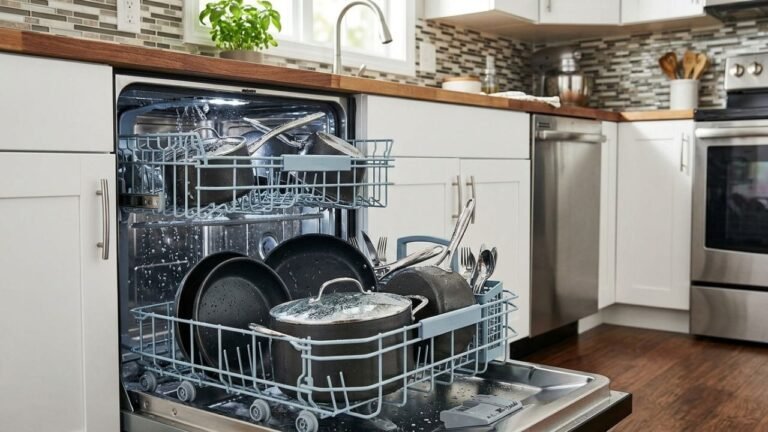
Always hand wash (dishwasher can degrade the coating)
-
Use wooden or silicone utensils (metal scratches the surface)
-
Low to medium heat only
-
Don’t use cooking spray (it builds up and ruins the nonstick)
Neither is maintenance-free. But ceramic demands more babysitting .
The Comparison Table (For You Skimmers Out There)
| Factor | Aluminum (Hard-Anodized) | Ceramic-Coated |
|---|---|---|
| Safety | Very safe, non-reactive | Safe if quality brand |
| Heat Conductivity | Excellent, fast, even | Good, but slower |
| Nonstick Performance | Only if coated with PTFE | Natural nonstick, wears over time |
| High Heat Tolerance | Great | Poor—coating degrades |
| Durability | 5+ years with care | 1–3 years |
| Cost | $30–$80 per pan | $25–$60 per pan |
| Maintenance | Moderate | High (gentle care required) |
| Acidic Foods | Safe if anodized | Safe (coating protects) |
| Best For | Searing, high heat, everyday cooking | Eggs, low-fat cooking, gentle heat |
My Personal Take (After Burning Through Both Types)
I’ve owned both. Here’s what I’ve learned.
My hard-anodized aluminum skillet has been going strong for four years. I’ve seared steaks, made pan sauces, and accidentally left it on the burner too long. It’s ugly now, but it still works.
My ceramic pan looked gorgeous for the first six months. Then the nonstick started fading. I babied it, but the coating eventually gave up. It lasted about 18 months before everything started sticking.
Would I buy ceramic again? Maybe for a dedicated egg pan. But for my workhorse skillet, hard-anodized aluminum wins.
FAQs (Because You’re Still Wondering)
Is aluminum cookware linked to Alzheimer’s?
No solid evidence. The Alzheimer’s Association says normal use isn’t a major risk factor . The initial studies that scared everyone were flawed.
Can ceramic cookware leach lead?
Cheap ceramic from unregulated brands can. Quality brands test for heavy metals . Look for third-party testing certificates if you’re worried.
Does ceramic nonstick actually last?
Realistically, 1-3 years with careful use . It’s not a forever pan.
Can I use metal utensils on either?
You can use metal on hard-anodized aluminum, but it’ll scratch eventually. Don’t even think about it with ceramic. Wood or silicone only.
Which is better for acidic foods like tomato sauce?
Hard-anodized aluminum and quality ceramic are both fine. Raw aluminum? Avoid it .
Is ceramic cookware oven-safe?
Most ceramic-coated pans are oven-safe up to certain temperatures (usually 350-450°F). Check your manufacturer’s instructions.
What about induction cooktops?
Pure aluminum won’t work on induction. You need a stainless steel base layer or an induction-ready disc . Many ceramic pans have this. Check before buying.
The Bottom Line: Which Should You Buy?
Here’s the thing: there’s no single “best” pan for everything. It depends on how you cook.
Go with hard-anodized aluminum if:
-
You want durability and don’t want to replace pans often
-
You sear, stir-fry, or cook at high heat
-
You want the best bang for your buck long-term
-
You’re okay with a little maintenance
Go with ceramic if:
-
You’re worried about PFAS chemicals in traditional nonstick
-
You cook mostly eggs, pancakes, and delicate foods
-
You prefer low-fat cooking
-
You don’t mind replacing the pan every couple years
My honest advice? Get one of each. A hard-anodized aluminum skillet for searing and everyday cooking. A ceramic pan for eggs and sticky stuff. They complement each other.
And whatever you do, don’t buy the cheapest thing you can find. A $10 pan from a mystery brand is a gamble you’ll probably lose. Spend a little more for something that won’t make you question your life choices every time you cook dinner.
Now go make some eggs. You’ve earned it. 🙂