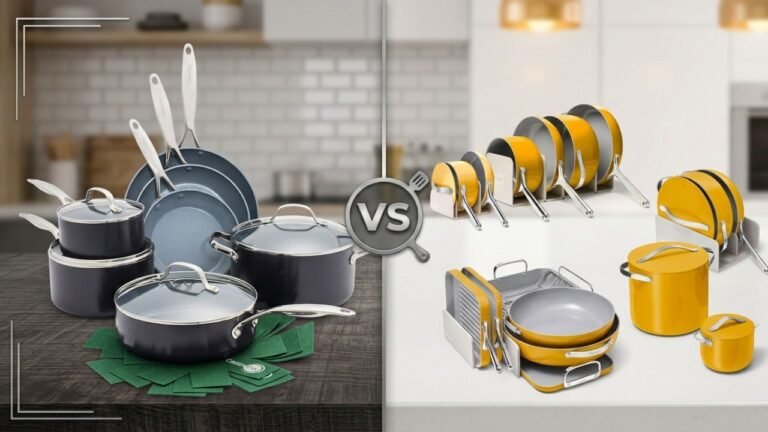


You ever stand in the kitchen, stare at two almost-identical-looking pans, and think, “Okay, which one of these is actually going to make my life easier?” Yeah. Me too. That’s exactly where I landed with the GreenPan Lima and Rio lines.
Both promise healthy ceramic nonstick. Both come from the same brand that basically started the whole PFAS-free ceramic wave. But they feel different in the hand, cook a little different, and honestly serve slightly different people. So I dug in, cooked with both, and figured out which one actually wins for most of us.
Let’s talk about it like we’re just hanging out over coffee. No corporate fluff. Just real talk.
GreenPan Lima vs Rio Price
Buy Now Greepan Lima 30% Off: Click Here for Instant Access!
Get GreenPan Rio 25% Off: Click Here for Limited Time Offer!
What Exactly Are GreenPan Lima and Rio?
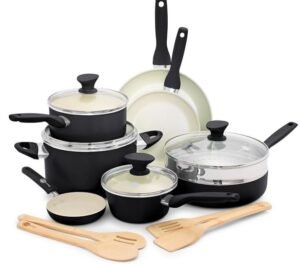

GreenPan makes a bunch of collections. Lima and Rio sit in that everyday-accessible range. They’re not the ultra-premium Valencia Pro or GP5 stuff. They’re the pans regular people actually buy and use every day.
Lima is the tough kitchen staple. Hard anodized aluminum body. Matte stainless steel handles. Built like it means business. GreenPan calls it their “kitchen staple,” and that fits. It feels solid. Durable. Ready for daily abuse.
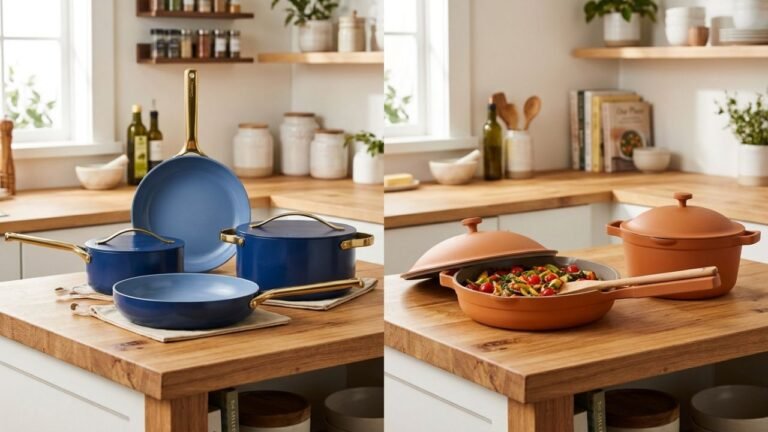
Rio is the colorful, fun one. Quick-heating aluminum. Stay-cool Bakelite handles. Bright colors like turquoise, black, cream, and pink. It looks cheerful sitting on your stove. GreenPan markets it as a way to “refresh” your kitchen, and yeah, it does that.
Both use GreenPan’s signature Thermolon ceramic nonstick. No PFAS. No PFOA. No lead or cadmium. That’s the big shared win.
But the differences show up once you start cooking.
Construction and Materials: The Real Difference Starts Here
Let’s start with the bodies because this is where the two lines split the most.
Lima uses hard anodized aluminum. That process makes the surface harder and more scratch-resistant. It feels denser in your hand. I’ve dropped one (don’t ask) and it shrugged it off better than I expected.
Rio uses heavy-duty aluminum with thick forged bases on the frypans. It heats up faster. Feels a bit lighter. The forged base helps with evenness, but it doesn’t have that same armored feel as the hard anodized Lima.
Here’s a quick side-by-side:
- Lima body: Hard anodized aluminum – tougher, more scratch-resistant
- Rio body: Heavy-duty aluminum with forged bases – quicker to heat
- Lima handles: Matte stainless steel
- Rio handles: Stay-cool Bakelite (the plastic-feeling ones that stay comfortable)
Ever grab a metal handle right after searing something and instantly regret your life choices? Yeah. Rio’s Bakelite handles win that fight every single time.
Lima’s stainless handles look cleaner and last longer in the oven, but they get hot. You’ll need a towel or oven mitt more often.
Nonstick Performance: Do They Actually Release Food?
This is the part everyone cares about. Ceramic nonstick has a reputation. Some pans start sticking after a few months. Others hold up longer if you treat them right.
Both Lima and Rio use Thermolon ceramic coating. Out of the box, both release eggs, pancakes, and fish beautifully. I scrambled eggs in both with almost zero oil. They slid right out.
After a few weeks of regular use, differences start to show. Lima’s hard anodized base seems to protect the coating a little better from minor scrapes. Rio still performs well, but if you get careless with a metal spatula (please don’t), the coating can show wear faster.
Pro tip from my kitchen: Always use silicone, wood, or nylon tools. And don’t crank the heat past medium-high. Ceramic hates extreme heat the way I hate Monday mornings.
IMO, both deliver solid nonstick performance for the price. Neither will last as long as a high-end stainless or cast iron, but that’s not the point. These are everyday nonstick pans that stay safer than traditional Teflon-style coatings.
Heat Distribution and Everyday Cooking
How do they heat?
Rio wins the speed race. The aluminum body and forged base get hot fast. Great for quick weeknight dinners when you’re hungry and impatient (raises hand).
Lima takes a minute longer to heat up, but once it’s there, it holds heat a bit more steadily. I noticed less hot-spotting when I cooked bigger batches of vegetables or chicken.
Both work fine on gas and electric. Neither of the standard versions works on induction. If you’ve got an induction cooktop, you’ll need to look at GreenPan’s Magneto-base collections instead. FYI.
I cooked the same stir-fry in both. Rio got the oil shimmering quicker. Lima gave me a slightly more even sear across the whole pan. For most people the difference is small, but if you cook a lot of larger meals, Lima edges it.
Handles, Comfort, and Kitchen Vibes
Handles matter more than people admit.
Rio’s stay-cool Bakelite handles feel good. You can grab them mid-cook without a towel most of the time. They come in matching colors with the pans, which looks intentional and fun.
Lima’s matte stainless steel handles look more serious. They stay cooler than some metal handles, but they still heat up. The riveted connection feels solid though. No wobble after months of use.
Design-wise, Rio wins if you care about looks. Those turquoise or pink pans brighten up a kitchen. Lima stays more neutral and classic. It disappears into most kitchens instead of standing out.
Which one matches your style? Do you want your pans to look cheerful or just get the job done quietly?
Oven Safety and Stovetop Compatibility
This one is important.
Lima is oven safe up to 600°F. The lids usually go up to 425°F. That higher rating comes from the stainless steel handles. You can start something on the stove and finish it in the oven without switching pans. I love that for things like frittatas or chicken thighs.
Rio is oven safe up to 350°F. The Bakelite handles limit it. Fine for most everyday oven use, but you can’t blast it under a broiler or do high-heat roasting.
Both work on gas and electric. Neither standard version works on induction. Always double-check the specific product page because GreenPan has some “Advanced” Rio versions that may differ.
If you regularly move pans from stove to oven at higher temps, Lima is the clear winner here.
Cleaning and Maintenance: The Daily Reality
Nobody wants pans that fight you at cleanup time.
Both are easy when the nonstick is fresh. A soft sponge and a little dish soap usually do the job. Food slides off.
Rio is dishwasher safe. That convenience is nice. Lima is often listed as hand-wash only. I hand-wash both anyway because it extends the life of the coating. Dishwashers can be rough on ceramic nonstick over time.
Avoid abrasive scrubbers. Avoid metal. And for the love of good eggs, don’t store other pans stacked inside them without protectors. Scratches kill ceramic faster than almost anything else.
I’ve had both collections for a while now. The Rio pans that live in the dishwasher still look decent, but the ones I hand-wash keep their release better. Same story with Lima.
Price and Value: What Do You Actually Get?
Both collections sit in a similar price range. You can often find frypan sets or full cookware sets under $200–300 depending on the size and sales.
Lima usually feels like better long-term value if you cook a lot and use the oven. The harder body and higher oven rating give it more staying power.
Rio often wins on pure everyday convenience and looks. The stay-cool handles and dishwasher-friendly design make it easier to live with if you’re busy or just hate complicated care routines.
Watch for sales. GreenPan runs them pretty often. I’ve seen solid deals on both lines.
Who Should Buy the GreenPan Lima?
Choose Lima if:
- You want a tougher, more scratch-resistant pan
- You regularly finish dishes in the oven at higher temperatures
- You prefer a more neutral, classic look
- You don’t mind hand-washing
- You value durability a bit more than speed and color
Lima feels like the pan that will still be solid after a couple years of real kitchen use.
Who Should Buy the GreenPan Rio?
Go with Rio if:
- You want stay-cool handles that feel good every single day
- You like colorful cookware that brightens the kitchen
- You prefer dishwasher convenience
- You cook mostly on the stovetop and rarely need high oven heat
- You want something that heats up fast for weeknight meals
Rio is the friendlier, more fun option for most casual cooks.
My Honest Take After Using Both
I’ve cooked with both enough to have opinions.
For pure everyday ease, I reach for the Rio more often. The cool handles and quick heat make it feel effortless. Eggs, grilled cheese, quick sautés — Rio just works without drama.
When I want something that can go from stove to oven and take a little more abuse, I grab the Lima. The hard anodized body and higher oven rating give me more confidence.
Neither is perfect. Ceramic nonstick still needs care. Neither will replace a good stainless steel pan for high-heat searing or a cast iron for certain jobs. But for the healthy nonstick category at this price point, both deliver.
If I had to pick only one for a regular home kitchen? I’d lean Rio for most people. The comfort and convenience win more days than the extra durability does. But if you cook more seriously or use the oven a lot, Lima makes more sense.
GreenPan Lima vs Rio Comparison Table
| Feature | GreenPan Lima | GreenPan Rio |
|---|---|---|
| Body Material | Hard anodized aluminum | Heavy-duty aluminum with forged bases |
| Handles | Matte stainless steel | Stay-cool Bakelite |
| Nonstick Coating | Thermolon ceramic (PFAS-free) | Thermolon ceramic (PFAS-free) |
| Oven Safe | Up to 600°F | Up to 350°F |
| Induction Compatible | No | No (standard models) |
| Dishwasher Safe | Usually hand wash recommended | Yes |
| Heat-Up Speed | Moderate | Faster |
| Durability Feel | Tougher, more scratch-resistant | Good, but lighter feel |
| Best For | Durability + oven use | Everyday convenience + looks |
| Style | Neutral, classic | Colorful, vibrant |
Frequently Asked Questions
Are GreenPan Lima and Rio both PFAS-free? Yes. Both use GreenPan’s Thermolon ceramic nonstick made without PFAS, PFOA, lead, or cadmium.
Can I use metal utensils with them? You can, but I wouldn’t. Metal shortens the life of any ceramic coating. Stick to silicone, wood, or nylon.
Do they work on induction? Standard Lima and Rio do not. Look for GreenPan collections with the Magneto base if you need induction.
Which one lasts longer? Lima’s hard anodized construction usually holds up better against daily wear. Care still matters more than the collection name though.
Is Rio really dishwasher safe? Yes, most Rio pieces are. I still hand-wash when I can to keep the nonstick happier longer.
Can I put Lima under the broiler? The pans themselves are rated high enough, but always check the lid rating and your specific model. Better safe than melted.
Final Thoughts
So which ceramic nonstick cookware is better — GreenPan Lima or Rio?
It depends on how you cook and what you value.
Want tough construction, higher oven temps, and a more serious pan? Go Lima. Want cool handles, faster heat, dishwasher ease, and some color in your kitchen? Go Rio.
Both beat traditional nonstick on the “no scary chemicals” front. Both make everyday cooking easier. Neither is magic, but both do the job well when you treat them right.
I’ve cooked plenty of meals in both. Eggs that slide out. Veggies that don’t stick. Cleanup that doesn’t feel like a chore. That’s the real win.
Now go check your stovetop type, think about how often you use the oven, and pick the one that fits your actual kitchen life. You’ve got this. And if you end up with a colorful Rio set that makes you smile every time you walk into the kitchen… well, that’s not a bad bonus either. 🙂