
You just scrambled eggs and half of them glued themselves to the pan. Sound familiar? Or maybe you paid good money for a shiny new “non-stick” skillet and three months later it acts like regular metal. Frustrating, right?
I’ve been there more times than I care to admit. I once ruined a perfectly good pan by cranking the heat too high while distracted by a phone call. Smoke, weird smell, and a surface that never recovered. That experience sent me down a rabbit hole of testing different non-stick surfaces. After years of cooking, testing, and yes, making more mistakes, I finally figured out what actually works.
So let’s talk about the real contenders: Teflon (PTFE), ceramic, seasoned cast iron, carbon steel, and a few others. No marketing fluff. Just what performs in a real kitchen.
What Even Counts as a Non-Stick Surface?
A non-stick surface stops food from bonding to the pan. Simple as that. Some rely on chemical coatings. Others build a natural layer through oil and heat.
The big players right now are PTFE coatings (the stuff most people call Teflon), ceramic coatings made from silica, and traditional iron-based pans that develop their own seasoning.
Ever notice how some pans feel slick out of the box while others need a few weeks of use before eggs slide off? That’s the difference between applied coatings and natural seasoning. Both can work. They just demand different habits.
Teflon and PTFE Coatings: The Old Reliable (With Caveats)
Most people still reach for classic non-stick pans. The coating is polytetrafluoroethylene, better known as PTFE or Teflon.
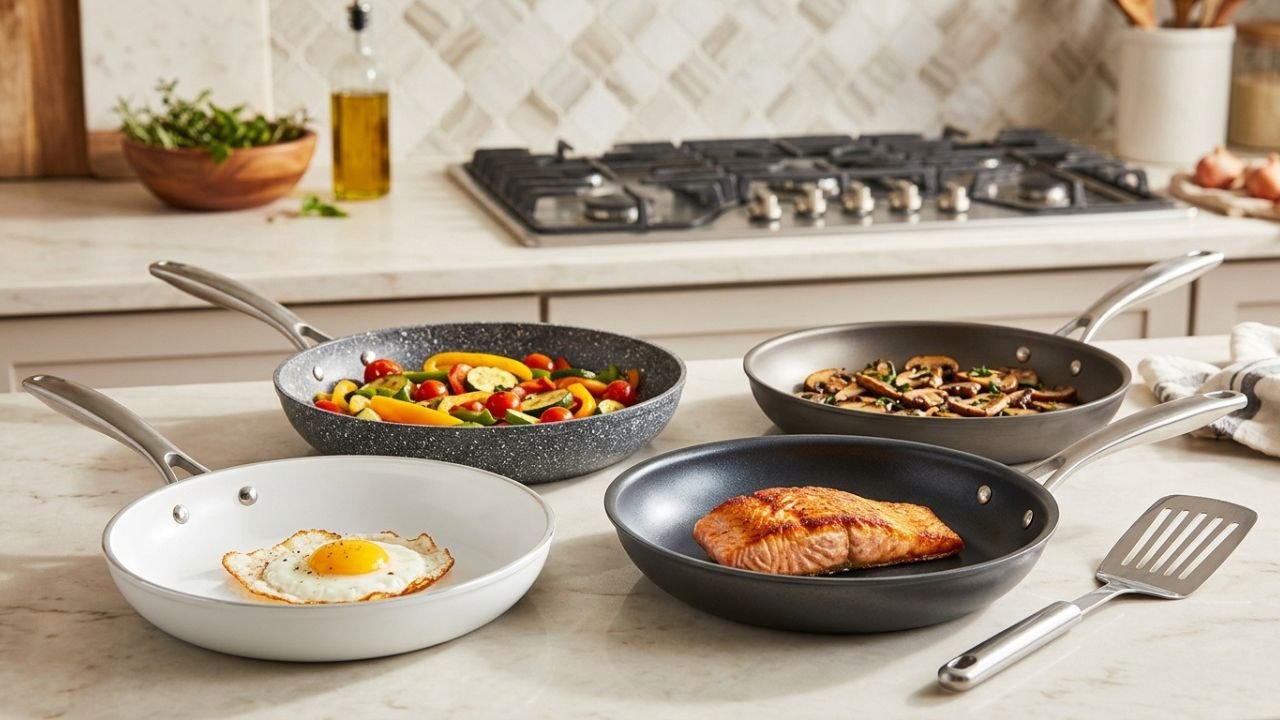
These pans shine when you cook delicate stuff. Eggs, fish, pancakes—they release with almost no oil. Cleaning takes seconds. You wipe and you’re done.
Pros
- Excellent food release right out of the box
- Affordable for most brands
- Lightweight and heats quickly
Cons
- Scratches easily if you use metal utensils
- Starts breaking down around 500°F
- Coating eventually wears off and the pan gets sticky
Here’s the thing manufacturers don’t shout about. Modern PTFE pans are PFOA-free. That older chemical got phased out years ago. But PTFE itself still belongs to the broader PFAS family. When you overheat an empty pan, it can release fumes that cause temporary flu-like symptoms. People call it polymer fume fever or “Teflon flu.”
I learned that the hard way. One morning I preheated a dry skillet on high while I poured coffee. Within minutes the kitchen smelled off and I felt weird for a couple hours. Never again. Now I always add a little oil before the pan gets hot.
FYI, most experts say PTFE stays safe for regular cooking under medium heat. Just don’t push it into searing territory or leave it empty on a hot burner.
Ceramic Coatings: The “Safer” Alternative Everyone Talks About
Ceramic non-stick exploded in popularity because brands market it as PTFE-free and more natural. The coating comes from a sol-gel process using silica (basically sand-derived stuff).
These pans look gorgeous. Many come in bright colors and claim higher heat tolerance—sometimes up to 600°F or more. No risk of those PTFE fumes.
But here’s the catch I discovered after buying three different ceramic sets. They start out impressively slick. Eggs slide. Cleaning feels effortless. Then after a few months of regular use, the non-stick power fades. Food starts sticking more. You need extra oil. Eventually the surface looks dull and performance drops.
Pros of ceramic
- No PTFE or traditional PFAS in most genuine versions
- Higher heat tolerance than PTFE in many cases
- Easy to clean when new
- Often prettier
Cons
- Coating wears out faster—sometimes in 1–3 years of daily cooking
- More brittle and prone to chipping
- Needs gentle utensils and lower-to-medium heat for best lifespan
- Usually costs more than basic PTFE pans
IMO, ceramic works great if you mainly cook eggs, fish, or pancakes and you replace pans every couple years without complaint. For heavy daily use or high-heat searing? Not my first pick.
I tried a popular ceramic brand for six months. Breakfast was a dream at first. By month four, scrambled eggs needed a good scrape. The pan still looked fine, but the magic was gone. Classic ceramic story.
Seasoned Cast Iron and Carbon Steel: The Long Game
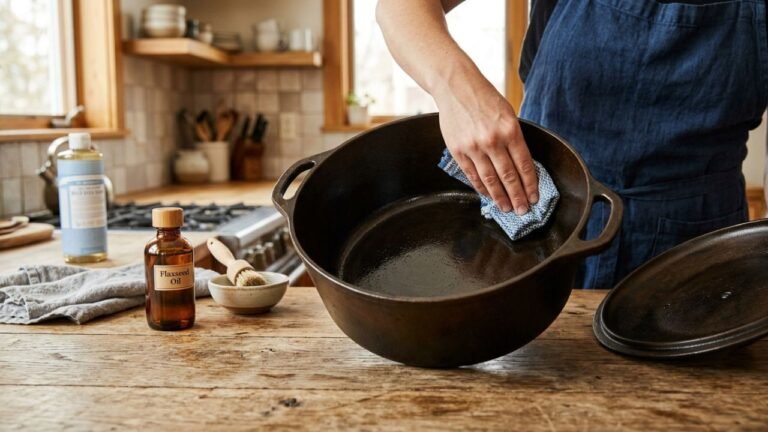
These don’t come with a synthetic coating. You build the non-stick surface yourself through seasoning—thin layers of oil polymerized by heat.
A well-seasoned cast iron or carbon steel pan can rival coated non-stick for many foods. Steaks sear beautifully. Veggies brown without sticking. And the surface only improves with use.
Cast iron strengths
- Lasts generations if you take basic care
- Incredible heat retention
- Naturally non-stick once seasoned properly
- Cheap entry point (Lodge is hard to beat)
Carbon steel strengths
- Lighter than cast iron
- Heats faster
- Develops a smooth black patina that feels almost silky
The learning curve exists. You need to season new pans, avoid long soaks in water, and dry them thoroughly. Acidic foods can strip seasoning if you leave them sitting. But once you get the hang of it, these pans become the workhorses of the kitchen.
I keep a Lodge 12-inch cast iron that has seen hundreds of meals. Bacon, fried chicken, even the occasional cake. Food rarely sticks now. When it does, a little more oil or better preheating fixes it. No coating to flake off. No chemical worries. Just iron and oil.
Other Surfaces Worth Knowing
Hard-anodized aluminum with multi-layer coatings sits somewhere in the middle. The anodizing makes the base tougher, and the top coating (often still PTFE-based) lasts longer than cheap pans.
Enameled cast iron (think Le Creuset style) gives you a smooth, non-reactive surface without seasoning. Great for tomato sauces or braises. Not as slick as PTFE for eggs, though.
True pure ceramic (like Xtrema) skips metal cores entirely. Heavy, slower to heat, but zero coatings of any kind.
Some newer “hybrid” or diamond-infused coatings claim better durability. Results vary a lot by brand. Always check for actual third-party testing if PFAS-free claims matter to you.
Head-to-Head: How They Really Compare
Let’s cut through the noise.
Non-stick performance when new PTFE wins. Ceramic comes close. Seasoned iron needs more technique but gets there.
Longevity Cast iron and carbon steel crush everything. They improve. Coatings degrade.
Heat tolerance Iron pans handle high heat without drama. Ceramic often tolerates more than PTFE. PTFE needs caution above 500°F.
Maintenance Coated pans win for ease. Iron needs occasional attention.
Safety perception Many people prefer ceramic or iron to avoid PFAS entirely. Modern PTFE is fine under proper use, but the “forever chemicals” conversation keeps growing.
Your cooking style decides the winner. Low-and-slow delicate foods? PTFE or ceramic. High-heat searing and everyday toughness? Reach for iron.
How to Pick the Right Surface for Your Kitchen
Ask yourself a few quick questions.
Do you cook mostly eggs, fish, and pancakes on medium heat? A quality PTFE or ceramic pan will make life easy.
Do you sear steaks, roast veggies, or want one pan that lasts decades? Seasoned cast iron or carbon steel belongs in your rotation.
Worried about chemicals and don’t mind replacing pans every few years? Ceramic is the popular compromise.
Budget tight? A basic Lodge cast iron costs less than many fancy coated pans and will outlive them.
I run a mixed kitchen now. One reliable PTFE pan for perfect scrambled eggs. A well-seasoned carbon steel for weeknight stir-fries and steaks. A cast iron that lives on the stove for almost everything else. That combo covers every situation without drama.
Care Tips That Actually Extend Lifespan
No matter which surface you choose, a few habits make a huge difference.
- Never heat coated pans empty on high.
- Stick to wood, silicone, or nylon utensils.
- Hand-wash when possible, even if the label says dishwasher-safe.
- For iron pans, dry completely and wipe a thin oil layer after washing.
- Replace any coated pan once the surface scratches deeply or food starts sticking badly.
Simple rules. They save money and frustration.
My Honest Take After Years of Cooking
No single surface rules every situation. That’s the truth nobody sells you.
PTFE still delivers the slickest everyday experience if you respect the heat limits. Ceramic offers peace of mind for people avoiding PFAS, but it asks you to replace pans more often. Seasoned cast iron and carbon steel win for durability, high-heat performance, and pure simplicity once you learn the rhythm.
If I had to pick one “best” for most home cooks right now, I’d lean toward a good carbon steel or well-seasoned cast iron as the foundation, plus one dedicated coated pan for the delicate jobs. That setup has never let me down.
You don’t need the most expensive pan. You need the one that matches how you actually cook.
Comparison Table
| Surface | Non-Stick Level (New) | Typical Lifespan | Heat Limit | Maintenance Level | Best For | PFAS Concern |
|---|---|---|---|---|---|---|
| PTFE / Teflon | Excellent | 3–5 years | ~500°F | Low | Eggs, fish, pancakes | Yes |
| Ceramic Coating | Very Good | 1–3 years | 550–600°F+ | Low | Low-medium heat cooking | No (if genuine) |
| Seasoned Cast Iron | Good (improves) | Generations | Very high | Medium | Searing, everyday use | None |
| Carbon Steel | Good (improves) | Generations | Very high | Medium | Stir-fry, high heat | None |
| Enameled Cast Iron | Moderate | Decades | High | Low | Braises, acidic foods | None |
Frequently Asked Questions
Is ceramic really safer than Teflon?
Genuine ceramic coatings avoid PTFE and traditional PFAS. They don’t release the same fumes if overheated. Performance fades faster, though.
Can I use metal utensils on non-stick?
No. Metal scratches coatings fast. Stick to wood or silicone.
How do I know when to replace a non-stick pan?
When food sticks badly even with oil, or you see deep scratches and peeling, it’s time.
Does cast iron leach iron into food?
A little, yes. Many people see that as a bonus. If you have specific health concerns, talk to your doctor.
Are “PFOA-free” pans completely safe?
PFOA is gone from modern production. The coating is still PTFE in most cases. Use medium heat and avoid empty preheating for best practice.
What’s the easiest non-stick surface for beginners?
A basic PTFE pan. Almost zero learning curve.
There you go. The best non-stick surface depends on your habits more than any brand claim. Pick what fits your cooking, treat it right, and stop fighting stuck eggs every morning. Your future self (and your dishwasher) will thank you.
Now go cook something good. And maybe start with a well-seasoned skillet this weekend—you might be surprised how far a little oil and patience can take you.