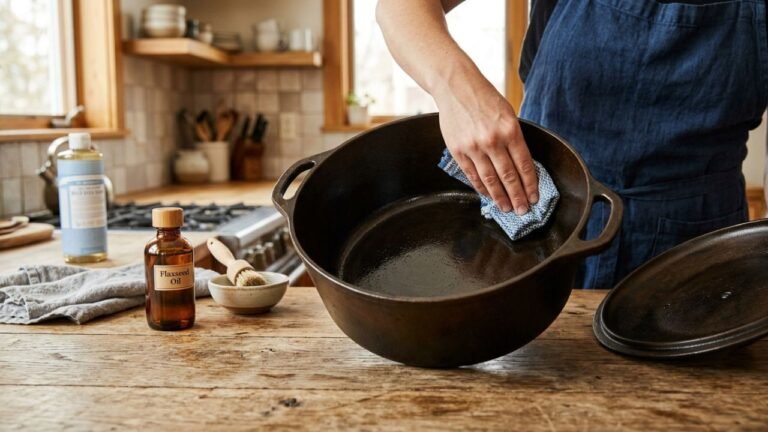


You just cooked a killer dinner. Steak seared perfect, veggies roasted just right. Then you look at that granite pan and think, “Ugh. How did this get so crusty?” Burnt bits stuck like they paid rent. Sauce glued on. And you’re standing there wondering if scrubbing for twenty minutes is the only option or if there’s a smarter way.
I’ve been there more times than I want to admit. Granite pans are awesome—nonstick without the weird coating drama of older pans—but they still need the right care. Clean them wrong and you wreck the surface. Clean them right and they last years. Today I’m walking you through everything I actually do in my own kitchen. No fluff. Just the real process that works.
Why Granite Pans Need Special Care

Granite pans aren’t magic. That speckled surface is usually a mix of materials designed to release food easily. It’s tougher than old Teflon in some ways, but it’s not invincible. Harsh scrubbers or the wrong cleaner can dull it or leave scratches that trap more food later.
Ever notice how some pans start sticking after a few months even when they claim to be nonstick? Yeah. That’s often from bad cleaning habits. I learned this the hard way after I went full Hulk on a brand-new pan with steel wool. Never again.
The good news? Daily cleaning takes almost no time if you do it right. Deep cleaning is only needed now and then. Let’s break it down.
What You’ll Need Before You Start
Don’t overcomplicate this. You don’t need a chemistry set. Here’s my basic kit:
- Soft sponge or microfiber cloth
- Mild dish soap (nothing with heavy abrasives)
- Warm water
- Baking soda
- White vinegar
- Soft nylon scrubber or non-scratch pad
- Wooden or silicone spatula for scraping
- Soft towel for drying
That’s it. Skip the steel wool, skip the bleach, skip those “miracle” cleaners that smell like a swimming pool. Your pan will thank you.
Daily Cleaning: The Quick Method That Actually Works
This is the one you’ll use most. Do it right after cooking while the pan is still warm (not screaming hot).
- Let the pan cool just enough so you can handle it safely. Dump any leftover oil or crumbs into the trash—not the sink.
- Rinse with warm water. Feel that? Food starts loosening already.
- Add a few drops of mild dish soap to your soft sponge. Gently wash the surface in circular motions.
- Rinse thoroughly. Check for any leftover bits.
- Dry it completely with a soft towel. Moisture left sitting can leave spots or encourage weird residue over time.
That’s the daily routine. Takes two minutes if you don’t let stuff harden. I do this every single time now. Skipping it once or twice is how you end up with a science experiment stuck to the bottom.
Pro tip from my own kitchen disasters: never put a hot granite pan under cold water. Thermal shock is real and it can warp cheaper pans. Wait until it’s warm, not blazing.
How to Handle Stuck-On Food Without Ruining the Surface
Sometimes dinner fights back. Cheese, eggs, caramelized onions—they love to cling. Here’s what I do when the regular wash isn’t enough.
Fill the pan with a little warm water and a drop of dish soap. Let it sit for 10–15 minutes. The water softens the gunk. Then grab your wooden or silicone spatula and gently scrape. Most of it lifts right off.
Still stuck? Make a paste with baking soda and a splash of water. Spread it over the problem spots. Let it sit another 10 minutes. Wipe with a soft sponge. Baking soda is gentle but effective. It lifts without scratching the way harsh powders can.
I used to think stronger was better. Then I watched a friend destroy the nonstick on her expensive pan with a scouring pad. Lesson learned. Soft tools only.
Deep Cleaning for Burnt or Stained Granite Pans
Okay, confession time. I once left a pan on the stove a little too long while answering the door. The result looked like something from a crime scene. Black crust. Smoke smell. The works.
Here’s the process that saved it:
Step 1: Cool the pan completely.
Step 2: Cover the burnt area with a thick layer of baking soda.
Step 3: Pour just enough white vinegar to make it fizz. That reaction helps loosen the carbon.
Step 4: Let it sit 20–30 minutes. Longer if it’s really bad.
Step 5: Scrub gently with a non-scratch pad.
Step 6: Rinse, wash with mild soap, and dry thoroughly.
If the stain is still hanging on, repeat once. Don’t go nuclear with oven cleaner or anything aggressive. I’ve tested milder options and they work better long-term.
Some people boil water and vinegar in the pan for a few minutes. That works too. Just watch the heat and don’t walk away. Boiling dry is how pans get ruined.
What You Should Never Do to Your Granite Pans
Let’s talk about the stuff that will age your pans fast. I’ve seen all of these mistakes in real kitchens, including my own early days.
- Never use steel wool or metal scrubbers. They leave tiny scratches that collect more food next time.
- Skip dishwasher detergent if you can. Many of those pods are too harsh for the coating. Hand washing is safer.
- Don’t use cooking sprays that leave residue. Some of those aerosol oils build up a sticky film that makes the pan worse over time.
- Avoid sudden temperature changes. Hot pan + cold water = risk of warping.
- Don’t cut food directly in the pan with a metal knife. Use a cutting board like a normal person.
One more: high heat for long periods can damage some granite-style coatings. Medium heat is usually plenty for most cooking. Your food will still brown. Promise.
How I Maintain My Granite Pans Between Cleanings
Cleaning is only half the game. Maintenance keeps them performing.
After every wash I make sure the pan is bone dry before I put it away. Water spots aren’t just ugly—they can leave mineral marks. I also avoid stacking other pans directly on top without a soft protector or towel between them. Scratches happen easy in a crowded cabinet.
Every couple of months I do a light seasoning. Heat the pan on low, add a tiny amount of high-smoke-point oil, wipe it around with a paper towel, then wipe most of it off. Cool it down. This helps maintain that slick surface. Not every brand needs this, but I’ve found it helps the ones I own.
Storage matters too. I keep mine in a dry spot. Humidity is the quiet enemy of cookware.
Common Mistakes People Make (And How to Fix Them)
Let’s be honest. Most of us learn by messing up. Here are the ones I see constantly.
Mistake 1: Letting food sit overnight. Fix: Soak it as soon as you can. Even a quick warm water soak makes the next morning way easier.
Mistake 2: Using the wrong sponge. Those green scratchy sides? Nope. Soft side only or a dedicated non-scratch pad.
Mistake 3: Thinking more soap equals cleaner. Too much soap leaves film. A little goes a long way. Rinse well.
Mistake 4: Ignoring the exterior. The outside gets greasy too. Wipe it when you clean the inside so your stove stays cleaner.
Mistake 5: Overheating empty pans. Empty hot pans can damage the coating. Always have something in there or keep the heat moderate.
I made most of these at least once. The pans survived because I switched to gentler methods after the first scare.
Cleaning Different Types of Messes
Not every mess is the same. Here’s a quick breakdown for the usual suspects.
Eggs and cheese: Soak in warm soapy water. Use a soft spatula to lift. Baking soda paste for the stubborn bits.
Sugary sauces or caramel: These harden like concrete. Warm water soak first. Vinegar helps dissolve the sugar residue.
Oil and grease buildup: Hot water and dish soap usually handle it. For older film, a baking soda scrub works great.
Burnt rice or grains: The boil method shines here. Water, a little soap, simmer gently, then scrape.
Tomato or red sauce stains: These can leave color. Baking soda and a bit of patience usually fade them. Don’t panic if a light tint remains—it often doesn’t affect performance.
Tools That Make Cleaning Easier (And Ones That Don’t)
I’ve tried a bunch of gadgets. Most are unnecessary.
What actually helps:
- Soft silicone scrapers
- Microfiber cloths
- A good non-scratch sponge set
What I skip:
- Metal chainmail scrubbers (too aggressive for most granite coatings)
- Magic erasers (they can be abrasive over time)
- Harsh chemical degreasers
Keep it simple. Your hands and a soft sponge do 90% of the work.
How Often Should You Deep Clean?
Daily wipe-down after cooking. Full deep clean only when you notice sticking or visible residue that regular washing doesn’t remove. For me that’s every few weeks if I’m cooking a lot of sticky foods, or once a month otherwise.
Listen to the pan. If food starts clinging more than usual, it’s time for a deeper session. Don’t wait until it’s a project.
Personal Tips From Years of Trial and Error
I cook almost every day. Granite pans are my go-to for eggs, stir-fries, and searing. Over time I noticed a few things that manuals never mention.
First, the first few uses of a new pan sometimes feel slightly different. Give it a gentle clean and light oil wipe after the first couple of cooks. It settles in.
Second, some brands hold up better to higher heat than others. I stick to medium-high max for most of mine. The food still gets color without stressing the surface.
Third, if you ever get a weird chemical smell during cooking, stop and check the pan. That can mean the coating is compromised. Better to replace than risk it.
I once bought a cheap set that started peeling after six months of normal use. Lesson: spend a little more on quality. Good granite pans pay for themselves in the long run because you don’t replace them every year.
FAQs About Cleaning Granite Pans
Can I put granite pans in the dishwasher?
Technically some say yes, but I never do. The harsh detergents and high heat can shorten the life of the coating. Hand washing is safer and takes almost no extra time.
Is baking soda safe on granite pans?
Yes. It’s mild enough that I use it regularly. Just don’t scrub like you’re sanding a floor. Gentle pressure is enough.
What if my pan starts sticking after cleaning?
Try a light oil seasoning after the next wash. Sometimes the surface just needs a little refresh. Also check that you’re not using too high heat.
Can I use vinegar every time?
For deep cleans, yes. For daily, stick to soap and water. Vinegar is great for tough jobs but not necessary every wash.
How do I remove white residue or spots?
That’s usually mineral deposits from hard water. A vinegar wipe followed by a thorough rinse and dry usually clears it.
Do I need special cleaners sold for granite pans?
Nope. Mild soap, baking soda, and vinegar cover almost everything. Save your money.
Wrapping It Up
Cleaning granite pans doesn’t have to be a chore. Treat them gently, clean them while they’re still warm, and stick to soft tools and mild cleaners. Do the daily rinse and wipe, and you’ll rarely need the deep-clean drama.
I’ve ruined pans before by being impatient or using the wrong stuff. Once I switched to this simple system, my pans started lasting way longer and performing better. Food slides off. Cleanup is fast. Cooking stays fun instead of turning into a scrubbing session.
Next time you’re staring at a crusty pan, remember: warm water, soft sponge, a little baking soda when needed, and patience. You’ve got this. Your granite pans will keep delivering solid meals for a long time if you treat them right.
Now go cook something good—and clean that pan before the leftovers stage a revolt.