
Understanding Nonstick Pans
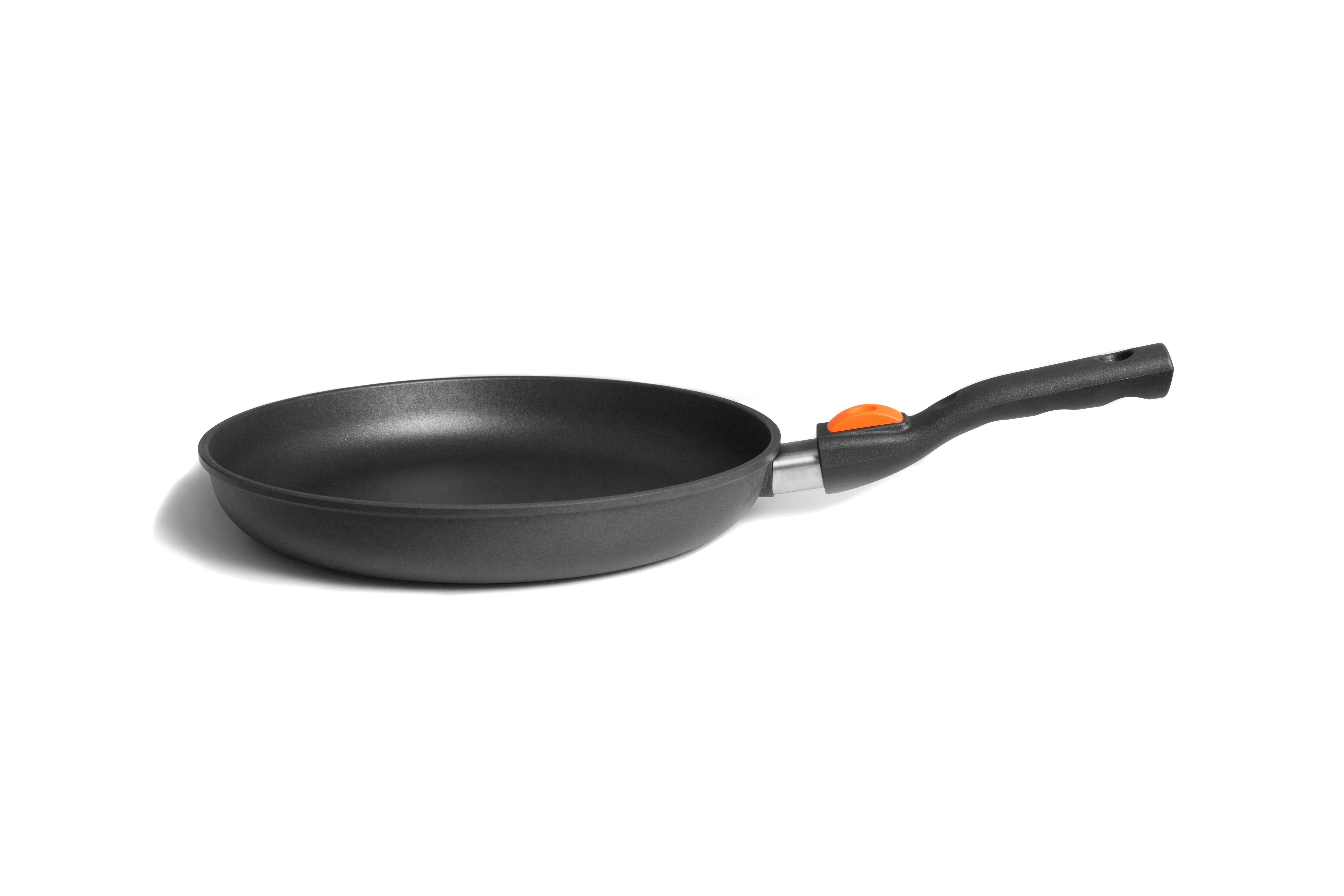
Nonstick pans have become a staple in numerous kitchens due to their convenient cooking properties and ease of maintenance. These pans typically feature a coating made from polytetrafluoroethylene (PTFE), commonly known as Teflon, or ceramic-based alternatives. The nonstick coating allows food to easily release from the surface during and after cooking, thus minimizing the need for excessive oils or fats. This not only contributes to healthier meal preparation but also simplifies cleanup.
The effectiveness of nonstick cookware generally stems from the low-friction surface created by the coating. When using a nonstick pan for the first time, it is recommended to preheat it on low to medium heat, allowing the material to warm up without overheating. This will help optimize the cooking experience and ensure that food does not stick, providing users with a seamless way to prepare a variety of dishes.
However, despite their advantages, several misconceptions surround nonstick pans. One common belief is that these pans are indestructible. In reality, nonstick surfaces can wear down due to improper use or care. It is critical to avoid using metal utensils, as they can lead to scratches and damage. Instead, opting for silicone, wood, or plastic tools can significantly extend the life of the cookware. Knowing how to fix nonstick pan scratches can also be beneficial, although prevention is always better than repair.
Proper care and maintenance are essential to prolonging the lifespan of nonstick cookware. Adhering to guidelines on how to avoid nonstick cookware scratches and choosing suitable cleaning methods contribute to enduring performance. Overall, a proper understanding of nonstick pans and their maintenance will enhance the cooking experience and promote longevity while ensuring that users are well-informed about the proper practices for their care.
Choosing the Right Utensils
When it comes to maintaining the longevity of nonstick pans, selecting the appropriate utensils is crucial. The type of utensils used can significantly impact the integrity of the nonstick coating. To prolong the life of your cookware, it is advisable to opt for utensils made from materials such as silicone, wood, or plastic, each offering distinct advantages.
Silicone utensils are particularly beneficial as they are soft and flexible, which helps in preventing scratches on the nonstick surface. They can withstand high temperatures, making them suitable for various cooking methods without warping or melting. Additionally, silicone utensils come in a range of shapes and sizes, allowing for versatility in cooking and baking tasks.
Wooden utensils are another excellent choice. They are sturdy yet gentle on nonstick surfaces, thus minimizing the risk of scratches. Their natural properties make them ideal for stirring and flipping foods without causing damage. However, it is essential to ensure that the wooden utensils are well-maintained and kept dry, as moisture can lead to warping.
Plastic utensils also present a safe option if made from heat-resistant materials. They are lightweight and usually dishwasher safe, providing convenience in terms of cleaning. It is crucial to select high-quality plastic utensils to ensure they do not melt or release harmful chemicals when exposed to heat.
On the contrary, using metal utensils with nonstick pans should be avoided as they can easily scratch and damage the coating, compromising the nonstick properties and making food stick. Understanding how to use a nonstick pan for the first time can involve recognizing the importance of the right utensils to prevent damage. By incorporating silicone, wooden, or plastic tools into your cooking routine, you can effectively avoid nonstick cookware scratches and extend the lifespan of your nonstick pans.
Optimal Cleaning Techniques
Maintaining the pristine condition of your nonstick pans is crucial for their longevity and effective performance in the kitchen. Understanding how to clean nonstick cookware properly will not only preserve its nonstick surface but also enhance your cooking experience. When embarking on the journey of how to use a non stick pan for the first time, it is essential to establish a cleaning routine that safeguards its integrity.
Start by allowing the pan to cool down completely after cooking. Sudden temperature changes can cause the nonstick coating to warp. Once cooled, gently wipe the pan with a soft cloth or paper towel to remove any excess oil or food particles. For persistent food residue, fill the pan with warm water and a few drops of mild dish soap. Let it soak for a few minutes to loosen any stubborn debris.
When selecting a sponge, opt for non-abrasive varieties, such as soft sponges or cloths specifically designed for delicate cookware. Avoid steel wool, scour pads, or any materials that may scratch the surface. Using the right tools is crucial to prevent damage and extend the life of your pan.
After cleaning, it is important to rinse the pan thoroughly to remove any soap residue, as this can affect the nonstick properties. Dry the pan completely with a soft cloth to prevent moisture buildup, which could lead to rust if the pan has any exposed metal parts.
Additionally, refrain from placing your nonstick cookware in the dishwasher. The high temperatures and harsh detergents can deteriorate the nonstick coating prematurely. Investing a little time in handwashing your pans will significantly diminish the likelihood of how to fix non stick pan scratches in the future.
In summary, using gentle cleaning methods, appropriate tools, and avoiding dishwashers are key practices for extending the life of your nonstick pans and maintaining their nonstick properties.
Proper Cooking Temperatures
Cooking with nonstick pans requires an understanding of appropriate temperature settings to maintain their integrity and prolong their lifespan. High heat can be detrimental to the nonstick coating, leading to irreversible damage or degradation over time. Therefore, it is crucial to know how to use a non stick pan for the first time and what temperature range is ideal for various cooking techniques.
For most stovetop cooking, it is advisable to use low to medium heat. Nonstick pans are designed to distribute heat evenly, which means that cooking at these lower temperatures can achieve optimal results without risking damage to the coating. When sautéing vegetables or cooking proteins, setting the burner to medium heat is usually sufficient. This approach will help avoid situations that could lead to how to fix non stick pan scratches, which can be a common concern among users.
Certain cooking methods may require slightly higher temperatures, such as browning or searing. In such cases, maintaining a medium-high heat for brief periods can be appropriate; however, it is important to monitor the pan closely and avoid overheating. Overheating can not only damage the coating but can also lead to undesirable food characteristics, such as sticking. For instance, it is essential to know how to avoid non stick cookware scratches by choosing the right tools and being aware of cooking practices to ensure the longevity of your kitchen essentials.
When using nonstick pans, try to refrain from preheating them while empty as this can quickly cause the coating to break down. Instead, add a little oil or food before exposing the pan to heat. By using proper cooking temperatures and techniques, users can enjoy the excellent properties of nonstick cookware without compromising their functionality or safety.
Avoiding Abrasive Cleaning Products
Maintaining the longevity of nonstick cookware requires a careful approach to cleaning, particularly avoiding abrasive cleaning products and materials. The nonstick coating, which provides the crucial layer that prevents food from sticking, can be damaged by harsh chemicals and rough surfaces. Common household cleaners such as bleach, strong detergents, or abrasive powders can erode this protective layer, rendering the cookware less effective over time. Thus, it is essential to familiarize yourself with suitable cleaning options.
In addition to selecting appropriate cleaners, one must also be mindful of the scrubbing tools utilized during the cleaning process. Steel wool pads, scouring pads, and even some sponges can inflict significant damage on a nonstick surface. These materials can scratch and compromise the integrity of the coating. To mitigate the risk of damage, it is advisable to use soft sponges or cloths, designed specifically for nonstick surfaces. These gentle options allow for cleaning without compromising the pan’s nonstick properties.
For those unsure about how to use non stick pan for the first time, it is critical to integrate these cleaner options into your routine. It is advisable to rinse the pan with warm water and mild dish soap after use. If needed, soak it briefly to loosen food particles before gently wiping it clean. Furthermore, avoid using overly hot water, as extreme temperatures can affect the nonstick coating. A little care in selecting the right products and techniques can greatly contribute to prolonging the life of your nonstick pans.
Moreover, understanding how to fix non stick pan scratches can further enhance the usefulness of your cookware. Nevertheless, prevention is always preferable to repair. By taking the necessary precautions and avoiding abrasive products, you can ensure a longer lifespan and better performance from your nonstick cookware, making your cooking experience more enjoyable and hassle-free.
Storing Your Nonstick Cookware
Proper storage of nonstick cookware is crucial for maintaining its functionality and extending its lifespan. The delicate surface of nonstick pans is susceptible to scratches, which can compromise their nonstick properties. Thus, it is essential to implement appropriate storage practices. One effective method is to use protective liners. These liners can be made of soft materials, such as silicone or fabric, and can be placed between stacked pans to create a barrier that minimizes scratching. Investing in these liners is a small price to pay for preserving the integrity of your cookware.
Another key aspect to consider is the stacking of nonstick pans. It is advisable to avoid stacking them directly on top of one another, as this contact can lead to unwanted scratches. If space constraints require stacking, be sure to insert a liner or cloth between each pan. This simple method can significantly contribute to prolonging the life of your nonstick cookware.
Additionally, consider the type of storage methods employed. For those who utilize their cookware frequently, allowing easy access in a designated space is beneficial. Open shelving or a dedicated drawer can serve as convenient solutions, ensuring that the pans are not crammed together, which could increase the risk of damage. For long-term storage, make sure to clean the pans thoroughly and dry them completely to avoid moisture buildup that can lead to mold or deterioration of the nonstick surface.
When storing nonstick pans, it is also important to avoid placing heavy items on top, as this could dent or warp the cookware. If you are inclined to use metal tools with your nonstick pans, be cautious and utilize them sparingly. Keeping these recommendations in mind will aid you in understanding how to use a nonstick pan for the first time without any concern for scratches. Implementing these best practices in storing your nonstick cookware can ensure its optimal performance and longevity.
Regular Maintenance Tips
To prolong the life of your nonstick pans, regular maintenance is crucial. One of the first steps is seasoning your nonstick cookware. Though many nonstick pans come pre-seasoned, re-seasoning can enhance their performance and longevity. To season, lightly coat the cooking surface with a small amount of cooking oil and heat it over low to medium heat for a few minutes. This process helps to reinforce the nonstick coating and creates a protective layer that promotes easier cooking and cleaning.
Another important practice is to regularly inspect your nonstick pans for any signs of wear and tear. Scratches can compromise the nonstick surface, so it is essential to check for any damages before use. If you notice scratches, consider how to fix non stick pan scratches. Some options include using specially designed repair kits or simply replacing the pan if the damage is extensive. Additionally, take note of how to avoid non stick cookware scratches in the future, such as using utensils that are safe for nonstick surfaces, and avoid cooking on high heat.
When it comes to using your nonstick pan, it is essential to adhere to proper cooking techniques. Always opt for silicone, wooden, or plastic utensils to prevent damage. Avoid using metal tools, as they can contribute to scratches and further wear down the nonstick coating. If you must use metal tools, exercise extra caution and choose pans specifically designed to withstand such usage. Over time, if you notice that food begins to stick to the surface despite following these guidelines, it may be time to assess if you should replace your cookware. Maintaining regular care and prompt attention to issues can significantly extend the usability of your nonstick pans.
Signs Your Nonstick Pan Needs Replacement
Nonstick pans are a staple in many kitchens, valued for their convenience and versatility. However, like any kitchen item, they have a finite lifespan. Recognizing the signs that indicate it’s time for a replacement is critical for both safety and cooking performance. One of the first indicators is visible wear on the pan’s surface. This may manifest as a dull or discolored coating that was once glossy and smooth. When this happens, food is less likely to slide off easily, resulting in sticking and uneven cooking.
Another significant sign to look for is flaking or peeling of the nonstick coating. If you notice small chips in the surface, it’s a clear indication that the pan needs to be replaced. Consuming any particles from the nonstick coating can pose health risks, especially as certain materials may be harmful. It is essential to keep your cookware safe and free from contamination.
Scoring, scratches, or abrasions are also signs that the integrity of the nonstick surface is compromised. These scratches can be caused by using metal tools, which can lead you to wonder how to use non stick pan with metal tools correctly. However, even with the best practices, repeated usage can lead to damage. To extend the life of your nonstick cookware, it’s vital to learn how to avoid non stick cookware scratches.
If your pan exhibits these signs or if you find that cooking with it has become a struggle, it may be time to consider a new purchase. While nonstick cookware serves its purpose effectively, prioritizing safety and food quality should always be the foremost concern. In conclusion, keeping an eye on these telltale signs will ensure that your cooking remains both enjoyable and safe.
The Bottom Line: Investing in Quality Nonstick Cookware
When it comes to selecting nonstick cookware, not all pans are created equal. Investing in high-quality nonstick pans can significantly influence both your cooking experience and the longevity of the cookware. Quality materials often lead to better heat distribution, ensuring your meals are cooked evenly while minimizing the risk of food sticking, which is one of the main advantages of using nonstick surfaces. Scratch resistance is another critical factor to consider; high-end brands often employ advanced technology to enhance durability and performance, allowing for the safe usage of metal tools without fear of damaging the surface.
In addition to performance, long-term benefits come from using quality nonstick cookware. While they may be more expensive upfront, high-quality pans can save you money over time, as they typically last longer than their cheaper counterparts. When exploring options, look for established brands like Scanpan, All-Clad, or T-fal, known for their commitment to quality. These brands often boast additional features such as safe, PFOA-free coatings and ergonomic handles, enhancing user experience significantly.
Furthermore, a good nonstick pan requires proper care to maximize its lifespan. Integrating techniques, such as how to use non stick pan for the first time and methods to avoid non stick cookware scratches, will undoubtedly extend the usability of your investment. Regular maintenance practices, such as hand washing and gentle cleaning tools, help preserve the nonstick surface, ensuring it remains effective throughout its life. In conclusion, choosing high-quality nonstick cookware is a strategic decision that, combined with proper care and maintenance, can lead to exceptional performance and durability in your kitchen.