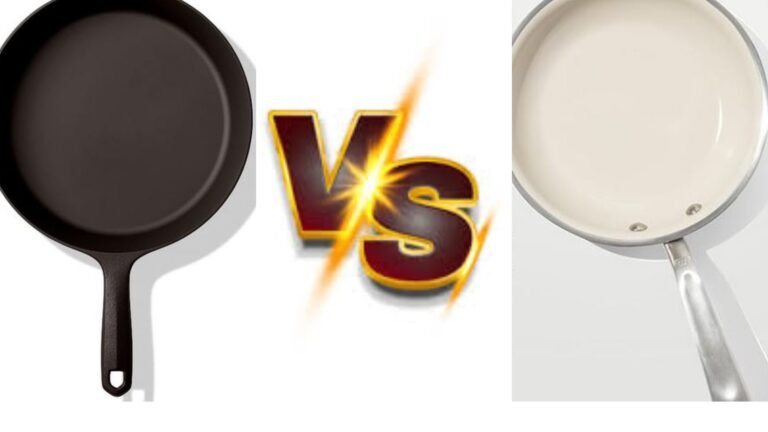

Hey, fellow baking buddy! Picture this: You’re craving fresh, fluffy muffins on a lazy weekend morning. You mix up your favorite batter, scoop it into the pan, and pop it in the oven. But then… disaster strikes. Half the muffins stick like glue, or they come out pale and sad-looking. Sound familiar? I’ve been there more times than I care to admit.
I’ve burned through my share of muffin pans over the years, from cheap ones that warped to fancy nonstick versions that lost their magic too soon. That’s why I’m excited to chat with you about aluminum vs nonstick muffin pans. Which one gives you those perfect golden domes? Which lasts through hundreds of bakes? Let’s break it down together, like we’re sipping coffee and swapping kitchen stories.
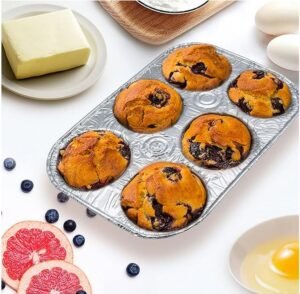
What Makes a Great Muffin Pan Anyway?
Ever wondered why some muffins rise like champions while others flop? It all starts with the pan. A solid muffin pan needs to handle heat well, release baked goods easily, and hold up over time.
I look for even baking, no hot spots, and easy cleanup. No one wants to chisel out stuck batter, right? And durability matters – I hate replacing gear every year.
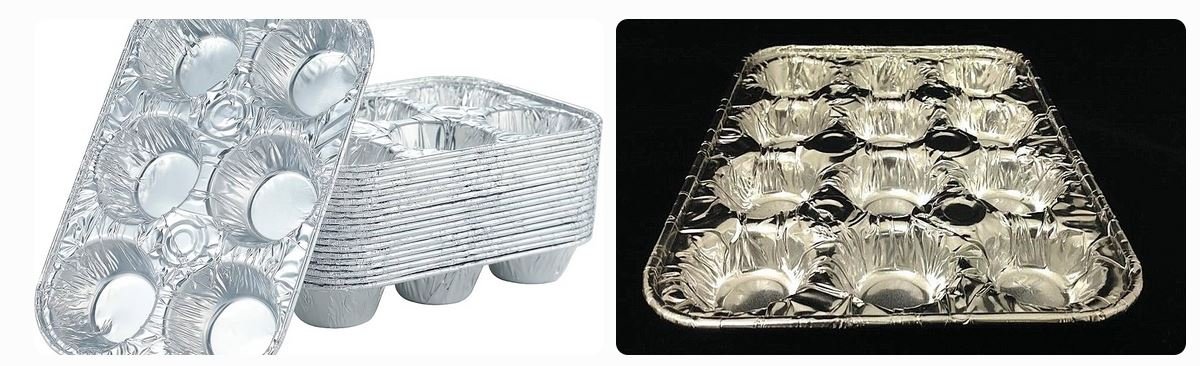
These days, most muffin pans fall into two camps: classic aluminum muffin pans (often uncoated or anodized) and nonstick muffin pans (usually steel or aluminum with a coating). Both have fans, but they shine in different ways.
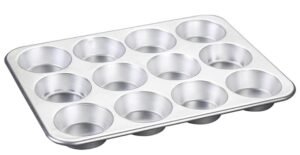
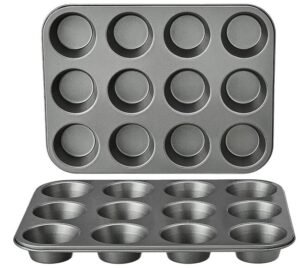
How Heat Conductivity Changes Your Muffins
Heat is the secret sauce in baking. Aluminum conducts heat fast and even. It heats up quick and cools down fast too.
That means muffins bake speedily in a plain aluminum pan. You get lighter browning – great for delicate flavors where you don’t want super-crispy edges.
But here’s the catch: Fast heat can mean shorter rise time, so muffins might not dome as high. I’ve baked batches that came out tasty but a bit flat on top.
Nonstick pans? They often use darker coatings on heavier metal. Dark surfaces absorb heat more, leading to deeper golden browning.
The extra weight slows heat transfer a tad, giving batter more time to rise. Result? Taller, domed muffins with that bakery-look crust. Who doesn’t love a proud muffin top?
In my kitchen tests (and yeah, I’ve done side-by-sides), nonstick edges out for most recipes. Muffins brown beautifully without overdoing the bottoms.
Quick Heat Comparison
- Aluminum pans: Quick, even heat. Less browning, faster bake time.
- Nonstick pans: Slower but deeper heat absorption. Better rise and golden color.
Ever notice how dark pans can over-brown? That’s why lighter nonstick or plain aluminum wins for even results sometimes.
Release and Cleanup: The Sticky Truth
Nothing kills baking joy like muffins glued to the pan. I once ruined a whole blueberry batch – berries everywhere but in the muffins. :/
Plain aluminum isn’t naturally nonstick. You grease well or use liners. Even then, some sticking happens, especially with sticky batters.
Cleanup involves scrubbing if things bake on. Not the end of the world, but annoying after a fun bake session.
Nonstick pans shine here. That coating lets muffins slide out effortlessly. Often, no greasing needed beyond a light spray.
Cleanup? A quick rinse, and you’re done. Many are dishwasher-safe too (though hand-washing extends life).
For busy bakers, this convenience is huge. IMO, it’s why nonstick dominates home kitchens.
Pros for Release
- Nonstick: Easy pop-out, minimal prep, breeze to clean.
- Aluminum: Reliable with greasing/liners, but more effort.
Durability and How Long They Really Last
Here’s where things get real. Nonstick coatings scratch or wear over time. Use metal utensils? High heat? Dishwasher abuse? Say goodbye to that slick surface in 2-5 years.
Once scratched, food sticks, and you might worry about flakes (though modern coatings are safer).
Aluminum pans, especially anodized ones, laugh at scratches. They’re tough, warp-resistant with good gauge, and last decades if cared for.
Commercial bakeries love plain aluminum for this reason – it endures endless cycles.
My oldest aluminum tin? Over 10 years strong, no complaints. Nonstick ones? I’ve replaced a few already.
Warping can hit both in extreme heat, but quality aluminum holds shape better.
Lifespan Breakdown
- Nonstick muffin pans: 3-7 years with gentle care. Coating fades eventually.
- Aluminum muffin pans: 10+ years, often lifetime with basic maintenance.
If you bake a lot, aluminum saves money long-term.
Safety Stuff: Should You Worry?
Let’s talk elephant in the room – nonstick safety. Older pans used PFOA, linked to health issues. But that’s phased out since 2015.
Modern PTFE coatings are safe at normal temps (under 500°F). No overheating, no metal utensils, and you’re good.
Some folks prefer uncoated aluminum to avoid any coatings. It’s naturally non-reactive (especially anodized) and zero chemical worries.
Both are safe today, but if “forever chemicals” bug you, go plain aluminum.
Cost and What You’re Really Paying For
Budget aluminum pans start cheap, but quality ones (like Nordic Ware or Fat Daddio’s) run $20-40.
Nonstick often costs similar or more, especially branded like OXO or USA Pan.
You pay for convenience with nonstick, durability with aluminum.
I own both – nonstick for everyday, aluminum for big batches or when I want pro results.
My Personal Take: Which Wins for Baking Better?
For pure baking performance, nonstick muffin pans take the crown for most home bakers. Better browning, taller rise, effortless release – muffins just turn out prettier and tastier.
That said, plain aluminum excels for even heat and pale bakes (think vanilla cupcakes).
If your recipe needs max dome and crust, nonstick all the way.
Baking Performance Winners
- Best overall muffins: Nonstick (taller, golden, easy).
- Best even/quick bake: Aluminum.
And for Lasting Longer?
Hands down, aluminum muffin pans. They endure scratches, heat, and time. No coating to fail.
Nonstick gives years of service with care, but eventually needs replacing.
If you’re rough on gear or bake weekly, aluminum lasts longer.
Tips to Make Any Pan Perform Like a Champ
No matter which you choose:
- Preheat oven properly.
- Use quality liners or light grease.
- Avoid metal utensils on nonstick.
- Hand-wash for longevity.
- Store carefully – no stacking scratches.
FYI, silicone liners work wonders in aluminum for nonstick vibes without the coating.
So, Which Should You Grab?
It depends on you, friend. Love easy, gorgeous muffins with minimal fuss? Grab a good nonstick muffin pan like USA Pan or OXO. You’ll bake more often because it’s forgiving.
Want something that lasts forever and gives pro-level control? Go aluminum muffin pan, maybe anodized for extra toughness.
Me? I keep both in my cupboard. Nonstick for quick weekends, aluminum when I’m feeling baker-pro.
What about you? Got a favorite pan story or recipe that demands one over the other? Drop it in your mind – or better, try both!
Happy baking – may your muffins always rise high and release perfectly. 🙂