
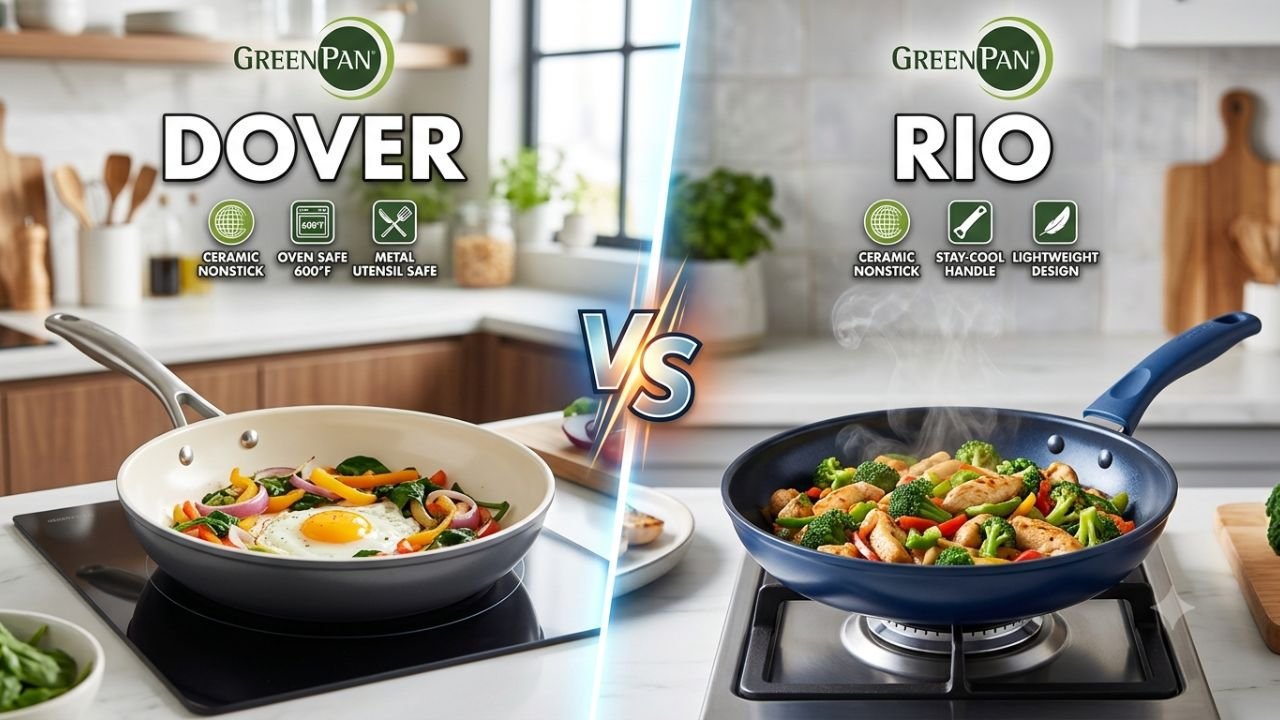
You’ve been staring at those GreenPan listings for way too long, haven’t you? One minute you’re sold on the sleek Dover pans, the next the colorful Rio set is calling your name. I get it. I’ve been there, standing in my kitchen with a half-empty bottle of olive oil and a frying pan that somehow makes eggs stick like glue no matter what I do.
If you’re hunting for toxin-free ceramic nonstick that won’t break the bank, GreenPan’s Dover and Rio lines sit right at the top of the shortlist. Both promise easy-release cooking without the PFAS drama. But which one actually belongs in your kitchen? Let’s figure this out together, no sales pitch, just straight talk from someone who’s flipped more than a few omelets in both.
GreenPan Dover vs Rio Price
GreenPan Dover 20% Off: Click Here for Instant Access!
GreenPan Rio 25% Off: Click Here for Low Price offer!
Quick Comparison Table
| Feature | GreenPan Dover | GreenPan Rio |
|---|---|---|
| Body Material | Aluminum | Aluminum |
| Coating | Thermolon ceramic (diamond-infused) | Thermolon ceramic (diamond-infused) |
| PFAS/PFOA Free | Yes | Yes |
| Oven Safe | Up to 350°F | Up to 350°F |
| Induction Compatible | No | No |
| Handles | Stay-cool Bakelite | Stay-cool Bakelite |
| Colors | Grey, cream, blue haze, pastel green | Black, red, turquoise, more vibrant options |
| Typical Set Size | Smaller / individual pieces common | Larger sets (up to 16-piece) common |
| Extras | Sometimes spatula | Often steamer + bamboo tools |
| Best For | Budget-friendly everyday use | Style + complete kitchen starter |
| Price Position | Generally lower | Slightly higher for full sets |
Why These Two Lines Matter Right Now
GreenPan built its name on ceramic nonstick that skips the forever chemicals. Their Thermolon coating starts with a sand derivative and stays free of PFAS, PFOA, lead, and cadmium. That means no toxic fumes even if you accidentally crank the heat too high. Both Dover and Rio use versions of this coating, often described as diamond-infused for better durability and heat conduction.
I switched to ceramic years ago after my old Teflon pan started looking sketchy. The difference felt immediate. Eggs slid around like they were on ice. Cleanup took seconds instead of scrubbing. Still, not every ceramic pan is created equal. Some lose their slickness fast. Some heat unevenly. So when people ask me about GreenPan’s more affordable options, Dover and Rio always come up.
Ever wonder if the cheaper lines actually deliver? Or if you’re just paying for pretty colors? Keep reading. We’re breaking it all down.
Meet the Contenders: GreenPan Dover
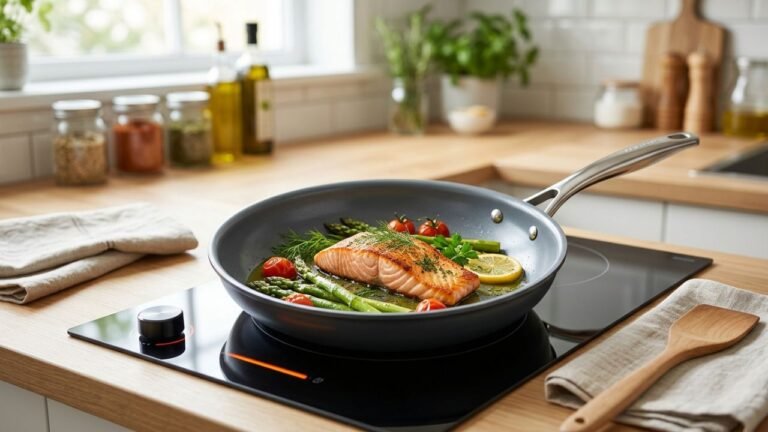
The Dover line feels like GreenPan’s friendly starter pack. Aluminum bodies heat up fast—really fast. I’ve put a Dover 10-inch on a medium burner and watched it reach cooking temp in under a minute. That quick response makes weekday mornings less chaotic.
Key features you’ll notice right away:
- Quick-heating heavy-duty aluminum construction
- Thermolon healthy ceramic nonstick, often diamond-reinforced
- Rivetless interior so food doesn’t get trapped
- Stay-cool Bakelite handles that feel secure
- Oven safe up to 350°F
- Safe for gas, electric, and glass-top stoves (no induction)
- Dishwasher safe, though hand-washing keeps the coating happier longer
Colors lean toward softer looks—grey, cream white, blue haze, pastel green. The pans look clean and modern without screaming for attention. Sets often include fry pans in 8-, 10-, and 12-inch sizes, plus saucepans and a sauté pan. Some packages throw in a silicone spatula or two, which is nice when you’re just getting started.
I keep an 8-inch Dover on my stove for solo egg runs. Two years in and the nonstick still works if I treat it right—medium heat, a drop of oil, silicone tools. One time I got cocky with metal tongs and left a tiny mark. Lesson learned. These pans reward gentle habits.
Meet the Contenders: GreenPan Rio
Rio brings more personality. Same basic aluminum construction and Thermolon coating, but the exterior comes in punchier colors—black, red, turquoise or seafoam green. The cream-colored interior creates a nice two-tone effect that looks sharp sitting on the counter.
What stands out:
- Diamond-reinforced Thermolon ceramic nonstick
- Thick aluminum bodies for even heat
- Stay-cool Bakelite handles (sometimes with a gold-tone accent vibe depending on the color)
- Glass lids so you can peek without lifting
- Oven safe to 350°F
- Same stovetop limits—no induction
- Dishwasher safe with the usual hand-wash recommendation
Rio sets tend to run larger. A popular 16-piece option includes multiple fry pans (sometimes a tiny 5-inch), saucepans, a sauté pan, stockpot or casserole, a stainless steamer insert, and bamboo utensils. That extra kit feels handy if you’re outfitting a kitchen from scratch or just like having matching tools.
I’ve cooked plenty in a black Rio 12-inch. Bacon crisps up nicely. Stir-fries don’t stick if you keep the heat reasonable. The colorful exterior hides minor stains better than lighter pans in my experience. Plus, it just looks like you put some thought into the kitchen instead of grabbing whatever was on sale.
Side-by-Side Features That Actually Matter
Let’s get practical. Both lines share the big safety wins and the same core limitations. Here’s where they line up and where they differ.
Construction and Heating
Both use aluminum that conducts heat quickly and evenly. Dover marketing leans hard into “ultra-speedy” results. Rio talks more about balanced heating. In real life I don’t notice a dramatic gap. Put either pan on the burner and you’re cooking soon. Neither holds heat like cast iron, so plan for that if you’re searing big steaks.
Nonstick Performance
Fresh out of the box, both shine. Eggs, pancakes, fish—everything releases with almost no oil. Over time the coating behaves like most ceramics. It stays good with care and fades faster if you abuse it. I’ve seen Dover and Rio pans still performing solidly after a couple years of regular use. High heat and metal utensils are the usual culprits when things go south.
Handles and Comfort
Stay-cool Bakelite on both. They stay comfortable during normal stovetop work. Some reviewers mention handles warming up more than expected during long simmers, so use a towel or mitt if you’re cautious. Grip feels secure either way.
Oven Use Both top out at 350°F. That’s fine for finishing a frittata or warming something through. Forget high-heat roasting or broiling. If you need 600°F capability, look at GreenPan’s hard-anodized lines instead.
Stovetop Compatibility
Gas, electric coil, smooth glass—yes. Induction—no. If your kitchen runs induction, these two are out.
Cleaning
Wipe-outs are easy when the nonstick is healthy. Dishwasher safe, but I still hand-wash mine. A soft sponge and mild soap keep the surface happier longer. Avoid abrasive scrubbers.
Warranty
Limited lifetime on the cookware structure is common. Coating coverage is shorter, usually a couple years. Check the exact card that comes with your set.
Pros of the GreenPan Dover Line
- Lighter price point makes it easy to try ceramic without a big commitment
- Fast heat-up suits busy mornings
- Clean, understated colors fit most kitchens
- Solid everyday performance for eggs, veggies, and light sautéing
- Individual pans and smaller sets available so you can buy only what you need
I appreciate how the Dover feels approachable. No fancy extras you might never use. Just reliable pans that do the job.
Cons of the GreenPan Dover Line
- Limited color choices if you want something bold
- Smaller set options compared to Rio’s bigger kits
- Same oven and induction limits as the rest of the budget lines
- Coating longevity depends heavily on how gently you treat it
Nothing shocking here. You’re getting solid entry-level ceramic, not a lifetime heirloom.
Pros of the GreenPan Rio Line
- Vibrant color options that actually brighten the kitchen
- Larger sets with useful extras like steamers and bamboo tools
- Same strong nonstick and quick heating as Dover
- Two-tone look feels a bit more polished
- Great if you’re replacing a whole mismatched collection at once
The style factor is real. I’ve had guests comment on the turquoise set. It just looks intentional.
Cons of the GreenPan Rio Line
- Usually costs a bit more than comparable Dover pieces
- Bigger sets can feel like overkill if you only need a couple pans
- Same 350°F oven ceiling and no induction support
- Exterior colors can show wear or discoloration over heavy use, though lighter than some expect
If you already own good utensils and don’t need a steamer, the extras might sit in a drawer.
Real Kitchen Talk: How They Perform Day to Day
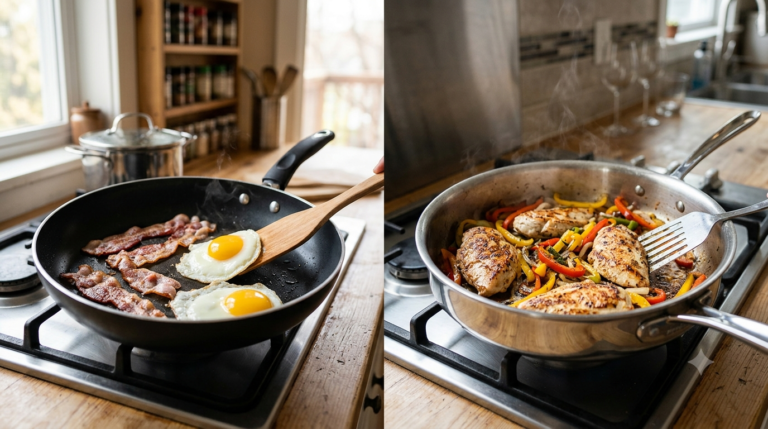
I’ve cooked the same meals in both. Scrambled eggs? Both release cleanly with a tiny bit of butter or oil. Dover feels slightly quicker to heat in my gas stove setup, but the difference is small. Bacon? Rio’s darker exterior hides the greasy marks better, which is a minor but real win for me.
One rainy Saturday I made a big batch of pancakes in a 12-inch Rio. The nonstick held up through the whole stack. Same result later with a Dover. Cleanup was a quick wipe either way.
Where they both struggle is aggressive searing. Ceramic nonstick just doesn’t develop the fond the same way stainless or cast iron does. If steak night is your thing, keep a different pan around. For everyday healthy cooking—veggies, fish, eggs, stir-fries—both lines deliver.
Rhetorical question time: Do you really need induction compatibility or 600°F oven ratings right now? If the answer is no, these pans make a lot of sense.
Price and Value Reality Check
Dover usually sits lower on the price scale. You can grab a couple fry pans without feeling the hit. Rio sets climb higher because of the piece count and color options, but the per-piece cost often stays reasonable when you compare full kits.
Watch for sales. Both lines go on discount regularly. I’ve seen solid deals that make either choice feel like a win. Value depends on what you already own. Need just a reliable 10-inch skillet? Dover. Starting from zero and want matching everything plus some tools? Rio starts looking smarter.
Care Tips That Actually Extend the Life
Treat them kindly and they last longer. Medium heat is your friend—ceramic conducts well, so you rarely need high. Use silicone, wood, or nylon tools. A light oil wipe after washing helps maintain the surface. Skip the dishwasher when you can. And never preheat an empty pan on high. That little habit kills coatings faster than anything else.
I learned the hard way with an earlier ceramic pan. Now I keep the heat dialed back and the tools soft. Both my Dover and Rio pieces still perform.
Who Should Buy the Dover?
Pick Dover if:
- You want the lowest entry cost
- You prefer simple, neutral colors
- You only need a few key pieces
- You’re testing whether ceramic nonstick fits your cooking style
It’s the practical choice for apartments, first apartments, or anyone who doesn’t want a full rainbow of pans.
Who Should Buy the Rio?
Go Rio if:
- You like color and want the kitchen to look put-together
- You’re replacing most of your cookware at once
- The bigger set with steamer and utensils appeals to you
- A little extra style makes cooking more fun
It’s the one that feels like a small upgrade in both looks and completeness.
The Honest Bottom Line
Neither pan is perfect. Ceramic coatings don’t last forever the way some traditional nonstick does. You’ll eventually notice the release fading if you cook every day. But while they last, both Dover and Rio give you PFAS-free cooking that feels easy and clean.
For pure everyday value and simplicity, I lean toward Dover. For style and a more complete starter set, Rio wins. I’ve happily used both and would buy either again depending on the kitchen I’m outfitting.
Still stuck? Think about your stove type, how often you use the oven for pans, and whether color matters to you. Then grab the one that matches. Your eggs will thank you either way.
Now go make something good. And maybe wipe that pan while it’s still warm—future you will appreciate it. 🙂
FAQs
Are GreenPan Dover and Rio safe?
Yes. Both use Thermolon ceramic nonstick free of PFAS, PFOA, lead, and cadmium. They won’t release toxic fumes even if overheated.
Can I use metal utensils?
Not recommended long-term. Soft tools keep the coating healthier. Some marketing calls the coating metal-utensil safe, but real-world results favor gentler tools.
Do they work on induction?
No. Stick to gas, electric, or glass-top stoves.
How long does the nonstick last?
With proper care—medium heat, soft utensils, hand washing—many people get a couple of solid years or more of good performance. Heavy abuse shortens that.
Is hand washing really necessary?
They’re dishwasher safe, but hand washing extends the coating life. I do both depending on how lazy I feel that night.
Which is better for beginners?
Dover if you want simple and cheap. Rio if you want colors and a fuller set right away.
Can I put them under the broiler?
Stay under 350°F. High broiler heat is a no-go for the handles and coating rating.
There you go. Two solid options, clear differences, and no fluff. Pick the one that fits your stove, your style, and your budget, then get back to cooking. Your next batch of eggs is waiting.