
You know that moment when your eggs stick like they’ve got a personal grudge against you? Or when cleanup turns into a scrubbing marathon that leaves your arms sore? Yeah, I’ve been there more times than I care to admit. That’s why I decided to put the Anolon Advanced nonstick cookware through its paces. Spoiler: it might just change how you feel about weeknight dinners.
I’m talking to you, the home chef who wants solid results without the drama of high-end pro gear or the frustration of cheap pans that flake after three months. Let’s chat about whether this line actually delivers.
Buy Anolon Advanced Cookware 20% with Discount: Click Here for Discount Deal!
What Exactly Is Anolon Advanced Cookware?
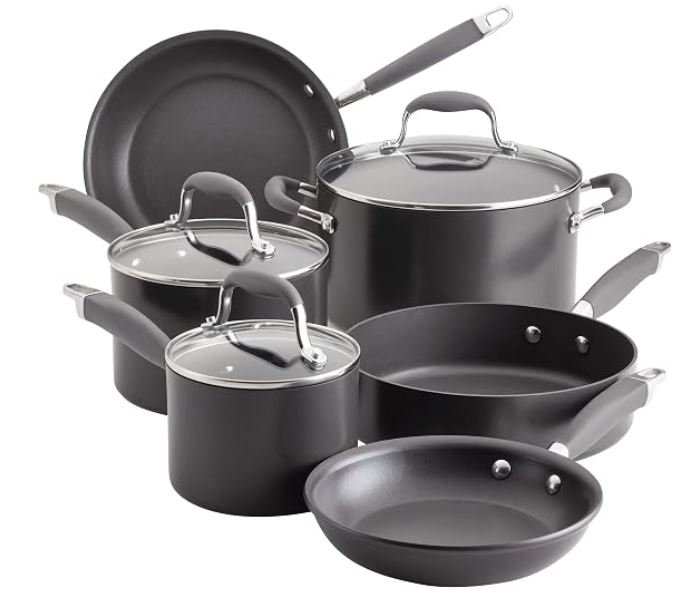
Anolon Advanced sits in that sweet spot between everyday practical and “hey, this feels premium.” The company builds these pots and pans from hard-anodized aluminum. That means the metal gets treated so it turns tougher than regular aluminum—about twice as hard as stainless steel in some claims.
The nonstick surface goes by names like Infinity Slide in newer versions. Anolon says it lasts way longer than basic nonstick. Some marketing talks about 16 times longer than traditional coatings. Take that with a grain of salt, but the idea is clear: fewer replacements.
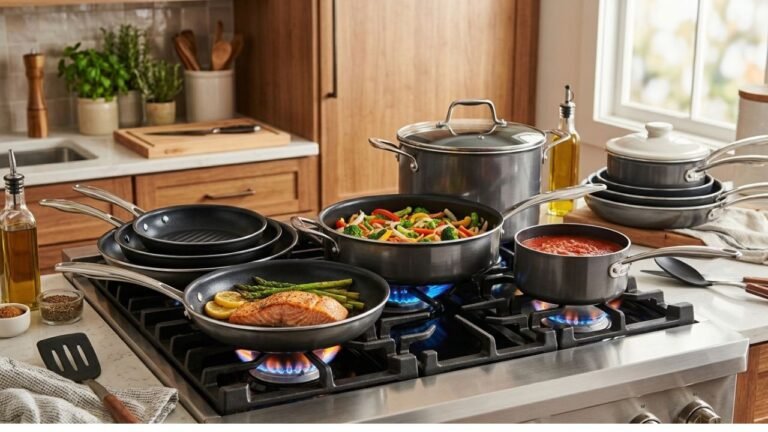
You’ll find sets with fry pans, saucepans, a stockpot, and glass lids. Handles get stainless steel cores wrapped in silicone so they stay cool on the stove. Lids often include straining holes and pour spouts. Nice touches if you cook a lot of pasta or veggies.
I picked up an 9-piece set a while back after my old nonstick set started looking like a crime scene. First impression? Solid. The pans feel balanced. The bottoms sit flat. No wobbling on the burner. That alone already put them ahead of a couple cheaper brands I’ve owned.
Ever grabbed a pan and felt like it might tip over when you add food? Not here.
Key Features That Actually Matter
Let’s break down what stands out without the brochure language.
- Hard-anodized construction: Tough exterior that resists scratches and dents better than soft aluminum.
- Durable nonstick interior: Food slides off with almost no oil in many cases.
- Stay-cool silicone handles: You can grab them without an oven mitt for most stovetop work.
- Tempered glass lids: You watch the food without lifting and losing heat.
- Flared rims and pour spouts: Pouring sauces or draining pasta gets less messy.
- Oven-safe up to 400°F: Handy for finishing dishes or keeping things warm.
- Lifetime warranty: Covers manufacturing defects for the original owner under normal use.
Not every model works on induction. Check the product page if you have those fancy magnetic burners. Same goes for dishwasher safety—some Advanced lines prefer hand washing to keep the nonstick happy longer.
I like the riveted handles. They feel secure. The downside? Food can sneak into the tiny crevices around the rivets. A soft brush and some soapy water fix it, but it’s not the smoothest cleanup detail.
How Does It Perform in Real Cooking?
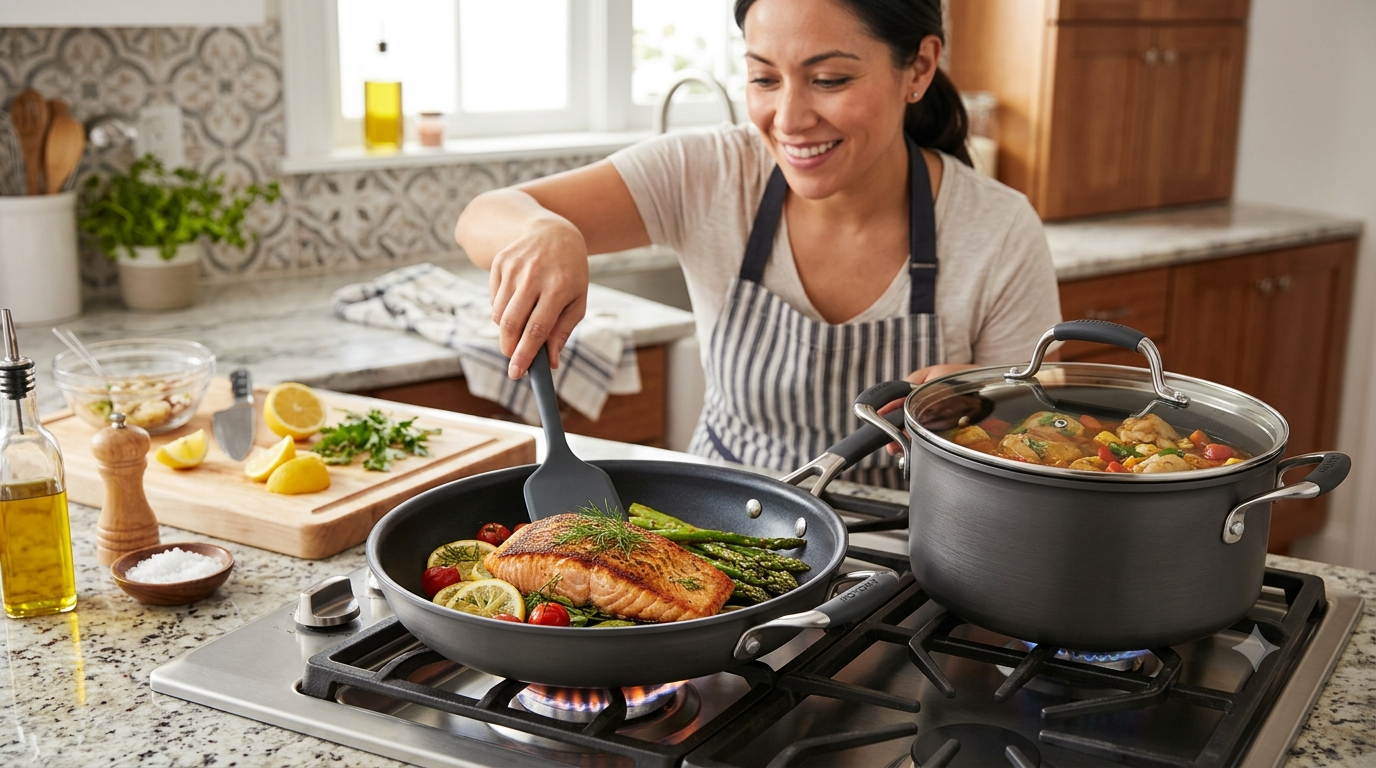
I tested these the way most of us cook—not in a lab, but on a regular gas range with scrambled eggs, seared chicken, tomato sauce, and the occasional sticky rice.
Eggs? They slide right out. I used almost no butter one morning just to see. Clean release. Same with pancakes. No torn edges or stuck bits.
Chicken thighs got a decent sear. Not restaurant-level crust like cast iron, but good color and flavor without sticking. The aluminum heats fast and evenly. Hot spots stayed minimal in my experience. Sauce reduced nicely without burning on the edges.
Heat retention lags behind thicker stainless or cast iron. These pans cool down quicker once you pull them off the burner. For most home cooking that’s fine. You’re not holding heat for long braises anyway.
Cleanup stays easy as long as you don’t abuse the nonstick. Warm soapy water and a soft sponge do the job. Stubborn bits wipe off without the steel wool fight.
One night I made a big batch of chili. The stockpot handled it without drama. Lids fit snug. The straining feature on some lids made draining pasta water less of a juggling act.
Does everything work perfectly every time? No. High heat for too long can stress any nonstick. I keep the burners medium or medium-high and things go smoothly.
Pros of Anolon Advanced Cookware
Here’s what I genuinely like after months of use:
- Excellent food release. Eggs, fish, and sticky sauces leave without a fight.
- Even heating. No more half-burned, half-raw situations.
- Comfortable handles. Silicone grips feel secure even with wet hands.
- Solid build quality. These feel like they’ll last years if you treat them right.
- Thoughtful design details. Pour spouts, flat bottoms, and clear lids make daily cooking nicer.
- Reasonable price for the quality. You’re not dropping All-Clad money.
- Lifetime warranty. Peace of mind helps.
The nonstick holds up better than the bargain store sets I used to buy. Mine still looks decent after regular use.
Cons You Should Know About
No cookware is perfect. Here’s the honest side:
- Nonstick still wears eventually. All PTFE-style coatings do. Metal utensils and high heat speed that up.
- Oven limit of 400°F. You can’t blast these under a broiler or do high-temp roasting.
- Riveted handles trap food. Minor annoyance during cleanup.
- Not always induction compatible. Confirm before buying if that’s your setup.
- Dishwasher use can shorten nonstick life. Hand washing is safer long-term.
- Heat retention is average. Fine for most tasks, less ideal for searing and resting thick cuts.
I once left a pan on high heat empty for a minute. Rookie move. The nonstick didn’t bubble or peel, but I learned my lesson. Medium heat is your friend.
How Anolon Advanced Stacks Up Against Other Brands
I’ve owned or cooked with T-fal, Calphalon, GreenPan, and some All-Clad nonstick pieces over the years. Quick comparison from my kitchen:
Versus basic T-fal or store brands: Anolon feels heavier and more durable. The nonstick lasts longer in my experience. Handles stay cooler.
Versus Calphalon: Similar hard-anodized quality. Anolon often wins on price and handle comfort. Calphalon sometimes feels a bit more premium in finish.
Versus ceramic options like GreenPan: Ceramics claim “safer” coatings and higher heat tolerance in some cases. They can lose nonstick power faster once scratched. Anolon’s PTFE-style surface usually releases better for eggs and delicate foods.
Versus high-end hybrid or stainless: Anolon wins for easy cleanup and low-oil cooking. You lose some searing power and longevity compared to uncoated stainless or carbon steel.
For pure home-chef convenience, Anolon Advanced hits a strong middle ground. You get reliable nonstick without the constant babying some ceramics need or the scrubbing stainless demands.
IMO, if your main goals are quick weeknight meals and easy cleanup, this line makes sense. If you live for perfect steak crusts every night, look elsewhere.
Who Should Buy Anolon Advanced?
This set shines for:
- Busy home cooks who want less cleanup stress
- People who cook eggs, fish, and delicate foods often
- Anyone upgrading from flimsy department-store pans
- Households that value even heating and solid construction without luxury prices
Skip it if you need induction compatibility across the board, high-oven temperatures, or metal-utensil-proof surfaces that never wear. Also skip if you hate any silicone on handles—some folks prefer all-metal.
I cook for two most nights and occasionally for friends. These pans cover everything from single eggs to big pasta pots without feeling oversized or undersized.
Care Tips to Make Them Last
Treat nonstick right and it rewards you.
Wash by hand with soft sponges. Avoid abrasive scrubbers. Skip the dishwasher when possible. Use wooden, silicone, or plastic utensils. Metal can scratch over time.
Don’t preheat empty pans on high. Add a bit of oil or food first. Store carefully—nest with protectors or hang them so surfaces don’t rub.
If residue builds up, a paste of baking soda and water usually lifts it. Rinse well.
Follow those habits and the nonstick stays effective longer. Neglect them and you’ll join the club of people complaining online that “nonstick never lasts.”
My Personal Take After Real Use
I’ve cooked dozens of meals in these. Scrambled eggs on busy mornings. Chicken stir-fries. Tomato sauces that used to cling to old pans. The Anolon Advanced made those tasks smoother.
One Sunday I made French toast for the family. Every slice released clean. Cleanup took under five minutes. That alone sold me.
Is it the absolute best nonstick ever made? Depends on your definition of best. For durability, even heating, and everyday ease at a fair price, it ranks high on my list. I’ve recommended it to a couple friends who were tired of replacing cheap sets every year. They haven’t complained yet. 🙂
The silicone handles feel good in the hand. The weight feels substantial without being arm-day heavy. Flat bottoms mean solid contact with the burner. Those small things add up during daily cooking.
Price and Value Check
Sets usually land in the mid-range. An 9-piece often costs less than comparable hard-anodized options from bigger names. Individual pans give you flexibility if you don’t need a full set.
Factor in the lifetime warranty and solid construction, and the cost-per-year looks pretty good. Cheap pans that die after a year end up costing more over time.
Watch for sales. These frequently drop in price around holidays.
Final Verdict: Should You Get It?
Yes—if you want dependable nonstick that heats evenly, cleans easily, and feels well-made without stretching your budget into pro territory.
No cookware solves every problem. Anolon Advanced solves the sticky-egg and scrubbing-arm problems for a lot of home cooks. It won’t replace your cast iron for deep searing, and it won’t last forever under abuse. Used with a little care, it delivers solid performance meal after meal.
So, is this the best nonstick cookware for home chefs? For many of us, it’s right up there. Give it a try if your current pans are driving you nuts. Your future self (and your sponge) will thank you.
Still on the fence? Think about the last time sticky food ruined your mood. Then decide.
FAQs
Is Anolon Advanced dishwasher safe? Some pieces handle it, but hand washing protects the nonstick longer. I stick to the sink.
Can I use metal utensils? Better not. Soft tools keep the surface intact.
Does it work on induction? Not all models. Check the specific product details.
How long does the nonstick last? Years with proper care. Abuse shortens that.
Is the coating safe? Anolon uses PFOA-free nonstick. Cook at recommended temps and you’re fine for normal home use.
What’s the oven temperature limit? Usually 400°F. Don’t push it higher.
There you go. Real talk from someone who’s actually cooked with the stuff. Happy cooking!