

You ever stand in the cookware aisle staring at two shiny pans and wonder which one won’t quit on you after a few months? Yeah, me too. I’ve ruined more eggs than I care to admit and scratched enough surfaces to fill a small landfill. So let’s cut the nonsense and talk real talk about hard anodized versus regular nonstick.
I’m not some lab-coat expert. I’m just a guy who cooks almost every night, burns the occasional pancake, and wants pans that actually last. If you’re tired of peeling coatings and warped bases, stick with me. We’re gonna break this down like two friends swapping notes over coffee.
Low Price Deals for Hard Anodized and Traditional Nonstick Cookware Sets
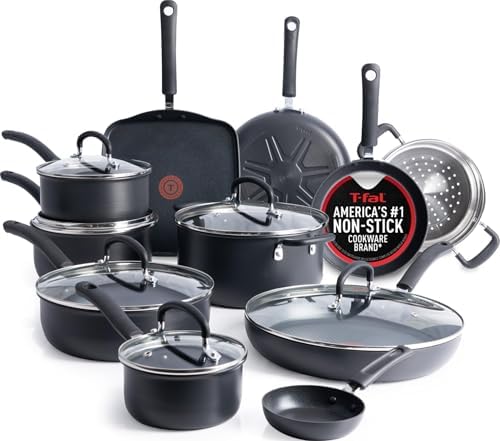
- Durable Construction: The hard anodized exterior and forged design of this hard anodized cookware set is built to stand …
- Our Pots and Pans Set Non Stick Includes: 1 quart 2 quart, and 3 quart covered saucepans, 8 and 10 inch frypan, 11.5 inc…
- Thermo-Spot Technology: Our frying pans nonstick set has a unique heat indicator that turns solid red when pans are prop…

- Superior Nonstick Performance: Featuring a reinforced nonstick coating, our pots and pans set offers exceptional durabil…
- Durable and Even Heating: This reinforced die-cast aluminum cookware set is built to last. It ensures rapid, uniform hea…
- Silicone Sealed Glass Lid: Lids of the pots have silicone edge that creates a tight seal to lock in moisture and flavor,…
Hard Anodized vs. Nonstick Comparison Table
| Feature | Hard Anodized | Regular Nonstick (PTFE/Ceramic) |
|---|---|---|
| Durability | Stronger base from anodizing process; resists scratches, dents, and warping better. | Relies on thin coating; scratches and peels faster with daily use. |
| Lifespan (Daily Use) | Often 5+ years with decent care. | Typically 1–3 years before coating fails. |
| Heat Distribution | More even heating; fewer hot spots. | Good when new, but thinner bases can create hot spots. |
| Nonstick Performance | Very good (especially with reinforced coating); needs a bit of oil sometimes. | Excellent when brand new; pure release with almost no oil. |
| Browning & Searing | Better crust and color on meats and vegetables. | Milder browning; can steam food more easily. |
| Weight & Feel | Heavier and more solid; feels stable on the burner. | Lightweight and easy to lift or flip. |
| Heat Tolerance | Base handles heat well; coating still limited (avoid empty high heat). | Coating breaks down around 500°F; same caution needed. |
| Scratch Resistance | Higher due to hardened surface. | Lower; metal utensils or stacking damage it quickly. |
| Cleanup | Easy; handles light stuck-on bits better after soaking. | Super easy when coating is intact; harder once worn. |
| Price (Upfront) | Higher. | Lower; budget-friendly sets available. |
| Best For | Daily cooking, searing, even heating, and longer-term use. | Eggs, delicate foods, light cooking, and tight budgets. |
| Maintenance | Hand wash preferred; use a soft sponge and avoid abrasives. | Same gentle rules; no metal tools or high heat. |
| Common Weakness | Heavier; costs more at first. | Coating wears out and can flake. |
What the Heck Is Hard Anodized Cookware Anyway?
Hard anodized cookware starts with aluminum. Manufacturers run an electrochemical process that thickens and hardens the surface. The result feels tougher than regular aluminum and resists scratches better.
Most hard anodized pans still get a nonstick coating on top. That’s the part people mix up. The anodizing itself creates a hard shell. The slick surface usually comes from PTFE or a ceramic layer applied afterward.
I bought my first hard anodized set about six years ago after my old nonstick set started flaking like cheap paint. The difference hit me fast. These pans took metal utensils without crying. Not that I recommend metal utensils, but life happens.
Key traits of hard anodized:
- Extremely hard surface from the anodizing process
- Excellent heat conductivity because of the aluminum core
- Often comes with a reinforced nonstick layer
- Heavier than cheap nonstick pans
- Usually more expensive up front
Ever notice how some pans heat unevenly and leave cold spots? Hard anodized ones push heat around more evenly in my experience. My scrambled eggs finally stopped looking like a science experiment gone wrong.
Regular Nonstick: The Classic Slick Surface
When most people say nonstick, they mean PTFE-coated aluminum or stainless steel. Teflon-style coatings make food slide off with almost no oil. That’s the magic.
These pans feel lighter. They heat up quick. Cleanup is a dream if you treat them right. The downside? That coating wears out. Once it scratches or peels, you’re stuck with sticky disasters and potential health worries from degraded material.
I went through three cheap nonstick sets in five years. Each one started great, then slowly turned into a sticky mess. One even started releasing little flakes into my omelets. Gross. I tossed them faster than expired milk.
Typical nonstick features:
- Super slick PTFE or ceramic coating
- Lightweight and easy to handle
- Affordable entry price
- Needs gentle care (no metal tools, low-to-medium heat)
- Shorter lifespan if you cook daily
People love these for eggs and fish. I still keep one small nonstick skillet just for omelets. Everything else moved to hard anodized or stainless.
Durability Showdown: Which One Actually Lasts?
Durability is where hard anodized usually pulls ahead. The anodized layer is significantly harder than regular aluminum. It resists dents, scratches, and warping better under normal kitchen abuse.
I’ve dropped my hard anodized skillet more times than I should admit. The rim has a couple of dings, but the cooking surface still looks solid. My old nonstick pans would have dented or lost coating in the same falls.
Regular nonstick relies almost entirely on that thin coating. Once you nick it with a spatula or stack pans carelessly, the slickness fades. Heat also breaks down PTFE over time, especially if you crank the burner too high.
Hard anodized durability edges:
- Harder base surface
- Better resistance to everyday scratches
- Less likely to warp on high heat
- Coating often reinforced with more layers
Nonstick durability reality:
- Coating is the weak link
- Scratches reduce nonstick performance fast
- High heat shortens life dramatically
- Stacking without protection kills them
I tested this the hard way. I cooked on medium-high with both types for a month. The nonstick started sticking first. The hard anodized kept performing. Not perfect forever, but longer.
Is hard anodized indestructible? No. Drop a heavy cast iron on it and you’ll still regret it. But for daily cooking, it holds up better in my kitchen.
Performance in the Kitchen: Heat, Cooking, and Cleanup
Performance covers how the pan actually cooks food. Heat distribution, browning, sticking, and cleanup all matter.
Hard anodized aluminum conducts heat really well. Food sears nicely without crazy hot spots. I can brown chicken thighs and still get a good crust. The surface holds heat longer once it gets going.
Regular nonstick heats fast too, but cheaper ones often have thinner bases. You get hot spots. Eggs cook unevenly. Stir-fries can scorch in the center while the edges stay cool.
On sticking, both do well when new. Fresh nonstick wins for pure release with almost zero oil. Hard anodized with a good coating comes close, especially if you preheat properly and use a little fat.
Cleanup is similar if you don’t burn stuff on. Both wipe clean with a soft sponge. Hard anodized seems to handle stuck-on bits better after soaking. I’ve scrubbed nonstick too hard and watched the coating suffer.
Cooking performance notes from my stove:
- Hard anodized: better browning, more even heat, solid for searing
- Nonstick: unbeatable for delicate eggs and pancakes when new
- Both struggle with true high-heat searing compared to cast iron or carbon steel
- Preheat matters a lot for either type
Ever try making a perfect French omelet? Nonstick still feels easier for that one job. For everything else, I reach for hard anodized more often now.
Heat Tolerance and Safety Concerns
This part gets people nervous. PTFE coatings start breaking down around 500°F. If you leave an empty nonstick pan on high heat, you risk releasing fumes. Birds are especially sensitive to those fumes, by the way.
Hard anodized pans with PTFE coatings face the same temperature limits. The anodizing itself handles higher heat, but the nonstick layer on top does not. Some brands use ceramic coatings that claim higher heat tolerance. Results vary.
I keep both types on medium or medium-high only. No empty preheating on blast. Simple rule that saves coatings and keeps the kitchen safer.
Aluminum itself is fine for cooking. The anodizing seals it. You don’t get aluminum leaching the way some worry about with bare aluminum.
Quick safety reminders:
- Never heat empty nonstick or coated hard anodized pans on high
- Avoid metal utensils on coated surfaces
- Replace any pan with peeling or heavily scratched coating
- Good ventilation helps either way
I’ve cooked for years without issues by following those basics. Your mileage may vary if you treat pans like they’re invincible.
Weight, Feel, and Everyday Handling
Hard anodized pans usually feel heavier. The thicker construction and denser surface add ounces. Some people love the solid feel. Others prefer the lighter nonstick for flipping or one-handed pouring.
My hard anodized 10-inch skillet sits nicely on the burner. It doesn’t slide around. The handle stays cooler longer on many models. I notice less wrist fatigue than with super cheap light pans that force me to press harder.
Regular nonstick wins for travel or small kitchens where every ounce counts. If you have arthritis or limited strength, the lighter option might feel better day to day.
Handling differences I noticed:
- Hard anodized: more stable, better heat retention, solid grip
- Nonstick: easier to lift, quicker to maneuver, less arm workout
Try both in the store if you can. Weight preference is personal.
Price and Value Over Time
Cheap nonstick sets cost less up front. You can grab a full set for under fifty bucks. Hard anodized usually starts higher, often double or more for similar sizes.
Here’s the math that changed my mind. I used to replace nonstick every 1–2 years with heavy use. Hard anodized has lasted me over five years so far with only minor wear. The cost per year dropped hard.
Some premium nonstick brands last longer too. Look for multi-layer coatings and lifetime warranties. Still, the anodized base gives an extra durability buffer in my experience.
Value factors:
- Upfront cost favors regular nonstick
- Longevity favors hard anodized for frequent cooks
- Warranty and brand reputation matter a lot
- Consider how often you cook and how roughly you treat pans
IMO, if you cook most nights, spend the extra once and stop replacing pans every couple years. Your wallet and the landfill both thank you. 🙂
Maintenance Tips That Actually Work
Treat either type right and they last longer. Treat them wrong and nothing survives.
For hard anodized:
- Hand wash when possible
- Soft sponge only
- Avoid abrasive cleaners
- Dry thoroughly
- Store with pan protectors or paper towels between pieces
For regular nonstick:
- Same gentle washing rules
- Never use cooking spray that leaves residue
- Keep heat moderate
- Replace at the first sign of serious peeling
I hand wash almost everything now. Dishwashers can be rough on coatings over time. A quick wipe after cooking keeps both types happy.
One sarcasm alert: those “dishwasher safe” claims sometimes mean the pan survives the dishwasher, not that it stays nonstick forever. Just saying.
Which One Should You Buy?
It depends on how you cook.
Choose hard anodized if:
- You cook daily or several times a week
- You want better durability and even heating
- You don’t mind a bit more weight and higher price
- You like searing and browning
Choose regular nonstick if:
- You mainly cook eggs, fish, or delicate foods
- You want the lightest possible pan
- Budget is tight right now
- You replace cookware more often anyway
I ended up with a mix. Hard anodized for most work. One dedicated nonstick for eggs and crepes. That combo covers almost everything without compromise.
Ever feel like cookware marketing overpromises? Same. Real kitchens have metal spatulas, high heat moments, and kids who stack pans wrong. Durability matters more than perfect lab tests.
Real Kitchen Stories That Shaped My View
Last winter I made chili in my hard anodized Dutch oven style pot. Simmered for hours. No sticking. Easy clean. The same recipe in an old nonstick pot left a stubborn ring that needed serious scrubbing and still looked scarred.
Another time I tried reverse-sear steak in both. Hard anodized gave better crust. Nonstick just steamed a bit more. Small differences add up when you cook a lot.
My sister swears by her ceramic nonstick. She cooks less often and treats pans like glass. Works for her. Different lifestyles, different winners.
Common Myths That Need Busting
Myth one: Hard anodized is completely nonstick without any coating. Not true for most consumer pans. The anodizing hardens the metal. The slickness usually needs an extra layer.
Myth two: All nonstick is the same. Nope. Thickness of coating, number of layers, and base quality vary wildly. Cheap stuff fails fast. Better brands last longer.
Myth three: You can never use metal utensils. Some reinforced hard anodized coatings claim metal utensil safety. I still go gentle. Better safe than sorry.
Myth four: Higher price always means better. Not always. Read recent reviews and check return policies. Some mid-range options punch above their weight.
Environmental and Health Side Notes
Replacing pans every year creates waste. Longer-lasting hard anodized reduces that cycle. Some ceramic coatings avoid PTFE entirely if that concerns you. Research the specific brand.
I care about what touches my food. I avoid any pan with visible damage. Simple rule. No fancy theories needed.
Final Thoughts Before You Shop
Hard anodized wins on durability and overall performance for most everyday cooking in my kitchen. Regular nonstick still shines for specific delicate jobs and lighter handling.
Buy the best you can afford from a brand with a solid reputation. Read the care instructions. Treat the pan like something you want to keep. That combination beats any marketing claim.
Next time you’re in the store, pick both up. Feel the weight. Check the coating thickness if they let you. Think about how you actually cook, not how Instagram cooks.
You’ve got this. Your future self will thank you when the eggs slide off and the pan still looks decent after a year of real use.
FAQs
Is hard anodized the same as nonstick? Not exactly. Hard anodized refers to the toughened aluminum surface. Most hard anodized pans also have a nonstick coating applied on top.
Can I use metal utensils on hard anodized pans? Some brands say yes for their reinforced coatings. I still prefer silicone or wood to play it safe and extend the life.
Which is better for high heat cooking? Neither coated option loves extreme high heat. For serious searing, look at cast iron, carbon steel, or uncoated stainless. Keep coated pans at medium to medium-high.
How long should a good hard anodized pan last? With proper care and daily use, many people get five to ten years. Mine is still going strong past the five-year mark.
Are there PTFE-free options? Yes. Some hard anodized and regular nonstick pans use ceramic coatings instead. Performance and longevity vary by brand, so check recent user feedback.
Should I buy a full set or individual pieces? Start with the sizes you use most. A good 10- or 12-inch skillet and a saucepan cover a lot of meals. Add more later if needed.
There you go. Now go cook something good and stop second-guessing every pan in the cabinet.