
Hey friend, you’re standing in the kitchen, craving that perfect stir-fry with veggies that stay crisp and meat that sears just right. But then you stare at your pans and wonder: stainless steel wok or the non-stick one? I’ve been there, burning dinner more times than I care to admit. Let’s chat about this like we’re swapping stories over coffee. I’ll share what I’ve learned from trial, error, and way too many takeout regrets.
I love a good wok. Nothing beats tossing ingredients high and hearing that sizzle. But the material? That’s where things get interesting. We’re diving into stainless steel versus non-stick, no fluff, just real talk on what actually works for stir-fry.
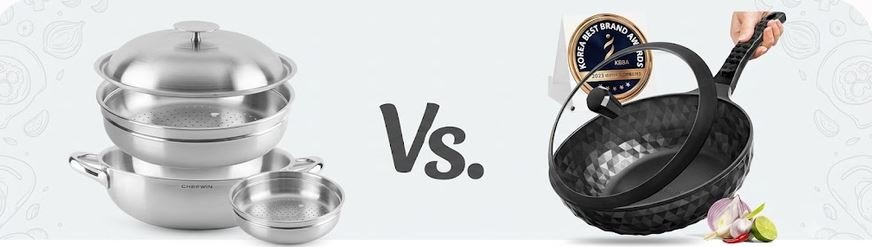
If You’re In Hurry Then We Have Low Price Deals for Stainless Steel & Nonstick Wok.
Premium Quality Low Price Stainless Wok with Steamer & Lid on Amazon: Check it Now!
Top Quality Low Price Nonstick Wok with Lid on Amazon: Check it Now!
Why Your Wok Choice Matters Big Time?
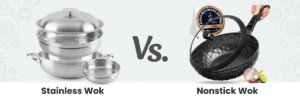
Ever tried making fried rice and ended up with a glued-on mess? Yeah, the wok decides if you get restaurant vibes at home or a scrubbing marathon.
Stainless steel and non-stick both have fans, but they behave differently under high heat. Stir-frying demands crazy temps for that wok hei smoky flavor. One pan handles it like a champ; the other might wave a white flag.
I remember my first stainless steel attempt. I thought “fancy metal = fancy food.” Spoiler: food stuck like glue until I figured out the tricks. Let’s break it down so you skip my mistakes.
Stainless Steel Woks: Built Tough for Real Cooking
Stainless steel woks bring serious durability. These pans laugh at high heat and last forever if you treat them right.
I grab my stainless one when I want reliability. It heats fast on my crappy apartment stove. No warping, no drama.
Pros of stainless steel woks:
- Handles high temperatures without breaking down
- Super durable – mine’s been through years of abuse
- Easy to clean once you master the technique (more on that soon)
- No coatings to worry about flaking
- Great for searing meats perfectly
Food sticks at first? Totally normal. But here’s the fix I learned the hard way: get that pan screaming hot. Like, water-drop-dance-on-the-surface hot. Then add oil. Boom – better release.
Cons? Yeah, they exist. Stainless doesn’t develop a natural non-stick patina like carbon steel. You work for that slick surface every time. Thin ones create hot spots too, so go for decent thickness.
I once ruined a batch of beef stir-fry because I rushed the preheat. Lesson learned: patience pays off with stainless.
How to Make Stainless Steel Less Sticky
You don’t “season” stainless like carbon steel, but you can condition it. Heat the empty wok on medium-high for a couple minutes. Flick water – it should bead and roll. Add oil, swirl, then toss in aromatics.
Quick stainless steel tips:
- Always preheat properly
- Use oils with high smoke points like avocado or grapeseed
- Don’t overcrowd the pan – cook in batches if needed
- Deglaze with a splash of broth or wine for stuck bits (hello, easy sauce)
- Clean with Bar Keepers Friend for stubborn spots
I do this “heat, oil, cook” dance now and my stir-fries turn out way better. No more frustration.
Non-Stick Woks: The Lazy Cook’s Best Friend
Non-stick woks shine for beginners or quick weeknights. Food slides around like it’s on ice. Cleanup? Wipe and done.
I reach for mine when I’m tired and just want dinner fast. Eggs don’t stick, veggies stay vibrant. Sounds perfect, right?
Pros of non-stick woks:
- Incredibly easy to use, especially for new cooks
- Minimal oil needed
- Quick cleanup saves time
- Forgiving if you’re learning technique
- Affordable entry point
But high-heat stir-fry? That’s where things get iffy. Those coatings hate temps over 400-450°F. You miss out on real wok hei.
The Dark Side of Non-Stick for Stir-Frying
The coating wears down faster with metal spatulas and high heat. I’ve seen flakes after six months of regular use. Not appetizing.
Cons of non-stick woks:
- Coating degrades over time, especially with high heat
- Can’t handle true stir-fry temperatures
- Limited lifespan compared to stainless
- Avoid metal utensils or you’ll scratch it quick
- Potential health worries if coating flakes (though modern ones are better)
Ever wondered why restaurant stir-fries taste different? They blast high heat. Non-stick just can’t match that reliably.
I still love my non-stick for omelets or gentle sautés. But for proper Asian-style stir-fry? It falls short long-term.
Head-to-Head: Stainless Steel vs Non-Stick Woks
Let’s compare them straight up so you see the real differences.
Heat Tolerance Stainless steel wins hands down. It laughs at 500-600°F needed for great stir-fry. Non-stick taps out early and risks damage. I crank my stainless and get that beautiful char. Non-stick? Medium heat only, sadly.
Non-Stick Performance Non-stick takes the early lead. Food glides effortlessly at first. Stainless requires technique, but once hot and oiled, it performs surprisingly well. Over time, stainless stays consistent while non-stick fades.
Durability Stainless steel dominates here. It’s basically indestructible. Drop it, bang it, no problem. Non-stick coatings wear out, especially with frequent use. My stainless wok still looks new after years.
Maintenance Non-stick wins easy cleaning. Stainless needs a bit more love – proper preheating and sometimes elbow grease. But neither is rocket science.
Health and Safety Stainless feels safer long-term. No coatings to worry about. Non-stick is fine if you follow rules, but flakes or overheating raise eyebrows. I prefer peace of mind with stainless.
Versatility Both work beyond stir-fry, but stainless handles everything from deep-frying to simmering sauces better. Non-stick excels at delicate stuff.
Cost Over Time Stainless costs more upfront but lasts forever. Non-stick is cheap but you’ll replace it sooner. Smart money goes stainless, IMO.
My Real-Life Stir-Fry Experiments
I tested both pans side by side last month. Same recipe: chicken, broccoli, garlic, ginger, classic sauce.
Stainless gave better sear on the chicken. Veggies had that slight smoky edge I crave. Cleanup took longer, sure, but worth it.
Non-stick version cooked evenly and cleaned in seconds. But the flavor? A bit flat without high-heat magic. It felt like “good enough” instead of “wow.”
Ever had that moment where you taste something and just know it’s better? That’s stainless for stir-fry.
Techniques That Make Any Wok Shine
Doesn’t matter which pan you pick – technique levels up your game.
Prep everything first. Stir-fry moves fast. Have ingredients lined up like a cooking show.
Heat management tips:
- Preheat your wok properly every time
- Use high smoke point oils
- Keep ingredients moving constantly
- Work in small batches for best results
- Have your sauce ready to go
I messed up plenty by dumping everything at once. Crowded pan = steamed, not stir-fried. Learn from me!
Choosing the Right Wok for Your Kitchen
Think about your cooking style. Busy weeknights with quick meals? Non-stick might suit you. Serious about authentic flavors and don’t mind technique? Go stainless.
Look for these features:
- Stainless: Flat bottom for home stoves, good weight (not too thin), sturdy handles
- Non-stick: Quality coating from reputable brands, compatible with your stove
I have both now. Stainless for weekends when I have time to play. Non-stick for rushed Tuesdays.
Common Mistakes to Avoid
People ruin woks by rushing. Don’t preheat on low. Don’t use cold oil in a cold pan. And please, don’t store either wet – rust or damage sneaks up.
Another big one: using the wrong spatula. Wood or silicone for non-stick. Stainless handles metal better.
I laughed at myself the first time I tried high-heat in non-stick. Smoke alarm party! Don’t be me.
Caring for Your Wok Long-Term
Stainless steel care:
- Clean promptly after use
- Use gentle abrasives when needed
- Dry thoroughly to prevent spots
- Occasional deep clean with baking soda
Non-stick care:
- Hand wash only, usually
- Avoid high heat and metal tools
- Store carefully to protect coating
- Replace when coating shows wear
A little maintenance goes a long way. My stainless still performs like day one.
Recipes to Test Your Wok
Try a simple garlic beef stir-fry first. Slice flank steak thin, marinate quick, flash-cook in hot wok. Stainless gives those crispy edges.
Veggie lovers: broccoli, snap peas, carrots. High heat keeps crunch. Add cashews at the end for texture.
Fried rice works amazing in stainless once you master the preheat. Leftover rice, day-old is best. Scramble egg first, then everything else.
I experiment constantly. Some dishes shine more in one pan. That’s half the fun.
What the Pros Say (And What I Agree With)
Most serious cooks push carbon steel for ultimate wok hei. But between stainless and non-stick, stainless gets more respect for high-heat work. Non-stick stays beginner-friendly.
I’m no pro chef, just a home cook who geeks out over good food. Stainless feels more pro to me for stir-fry nights.
Final Thoughts: My Pick for Stir-Fry Glory
So, which pan wins the stir-fry? Stainless steel takes the crown for me. It delivers better flavor, handles the heat, and lasts. Non-stick serves great as a backup for easy meals.
You might prefer non-stick if you hate any sticking at all or cook gently. Test both if you can.
Grab a good stainless steel wok, practice the preheat, and thank me later when your kitchen smells like your favorite takeout spot. What are you cooking first? Drop your go-to stir-fry in the comments – I’m always stealing ideas!
Keep experimenting, have fun, and happy wokking. Your perfect stir-fry awaits. 🙂
FAQs About Stainless Steel and Non-Stick Woks
Can I use non-stick for authentic stir-fry? You can, but you won’t get full high-heat results. Save it for milder dishes.
How do I stop food from sticking in stainless steel? Hot pan, hot oil, room-temp ingredients. Patience is key.
Are non-stick coatings safe? Modern ones are better, but follow heat limits and replace when damaged.
Which is easier for beginners? Non-stick wins for new cooks. Less technique needed upfront.
Should I buy flat bottom or round bottom? Flat bottom works best on most home stoves. Round needs a wok ring.
How long do these woks last? Stainless can last decades. Non-stick usually 1-3 years with regular use.
Can I put them in the dishwasher? Stainless often yes. Non-stick – hand wash to protect coating.
What oil should I use? Avocado, grapeseed, or peanut for high heat.
There you go – everything I wish I knew before buying my first wok. Now go make something delicious!