
Hey friend, if you’re standing in your kitchen staring at a sea of pots and pans, wondering whether to grab that slick hard anodized nonstick set or go for solid stainless steel, I feel you. I’ve been there. Burnt eggs sticking like glue, pans warping after a few uses, or spending way too much time scrubbing — it sucks. I’ve tried both over the years, and let me tell you, the choice really depends on how you actually cook and what you value most.
I’m no pro chef, just a guy who loves whipping up weeknight dinners and weekend experiments. I’ve ruined a few good meals learning the hard way. Today I’m laying it all out for you — the good, the bad, and the “why did I buy this?” moments — so you can pick what fits your life. Let’s chat about it like we’re grabbing coffee.
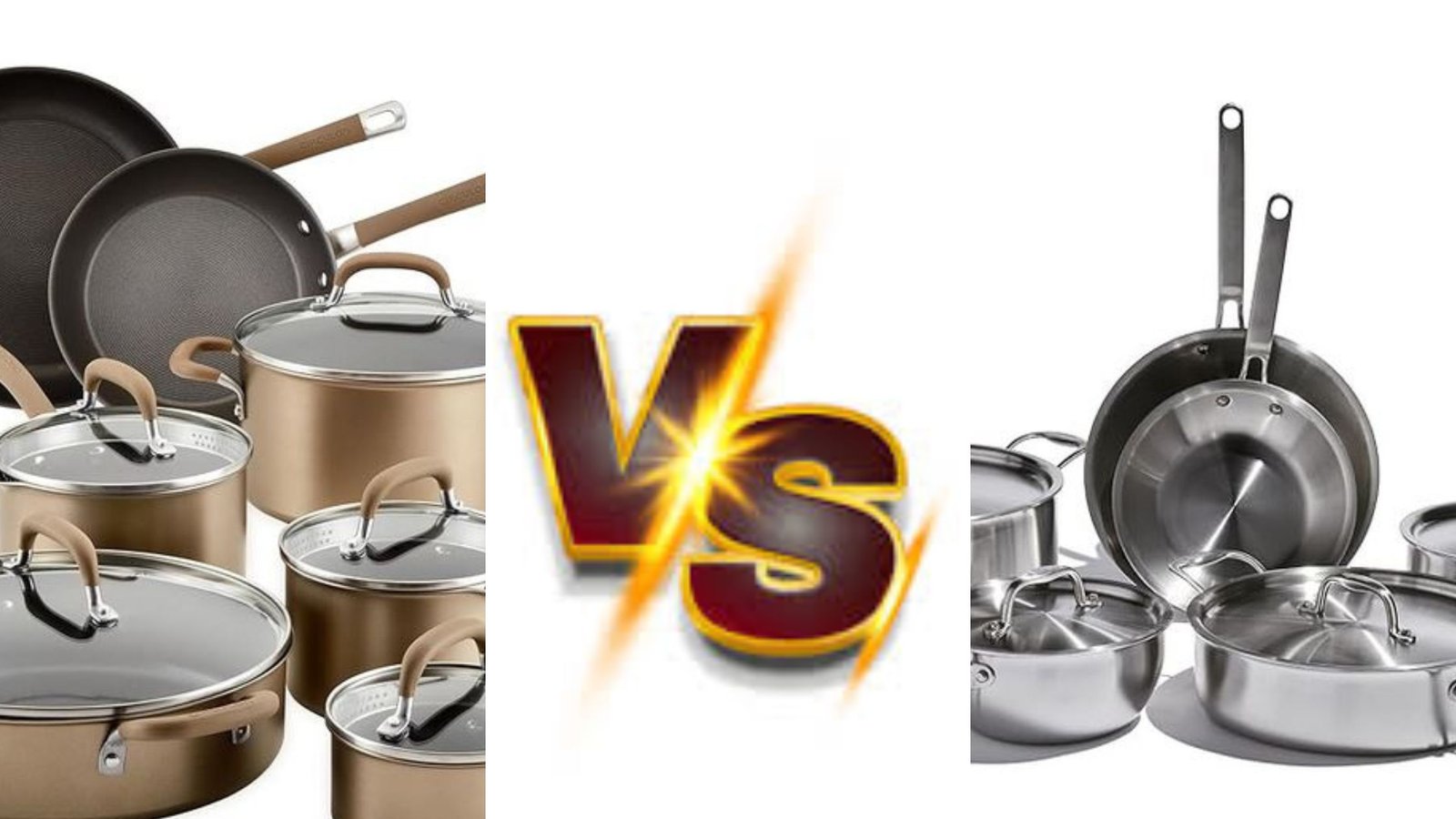
3 Best Hard Anodized Nonstick Cookware Sets
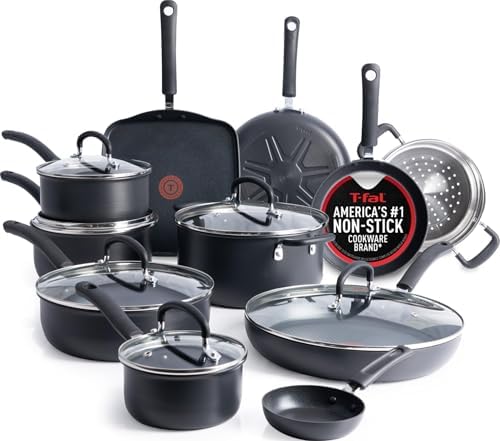
- Durable Construction: The hard anodized exterior and forged design of this hard anodized cookware set is built to stand …
- Our Pots and Pans Set Non Stick Includes: 1 quart 2 quart, and 3 quart covered saucepans, 8 and 10 inch frypan, 11.5 inc…
- Thermo-Spot Technology: Our frying pans nonstick set has a unique heat indicator that turns solid red when pans are prop…

- SET INCLUDES: 1 qt., 2 qt., and 3 qt. saucepans w/glass covers, 3.5 qt. sauté pan w/cover, 4 qt. Dutch oven w/cover, 8 q…
- SUPERIOR STRENGTH: The Cuisinart 17-Piece Cookware Set features a strong anodized exterior harder than stainless steel. …
- PREMIUM COOKING: Experience professional performance with a premium nonstick cooking surface reinforced with Quantanium,…

- DURABLE POTS AND PANS: Circulon pots and pans set feature professional, hard-anodized aluminum construction that is twic…
- HIGH-LOW CIRCLES: Circulon nonstick cookware, a versatile kitchen cookware set, features ultra-durable nonstick and Circ…
- HIGH PERFORMANCE: Cook fearlessly with cookware set non stick enhanced nonstick performance that lasts 10x longer than o…
3 Best Stainless Steel Cookware Sets

- SET INCLUDES: 1.5 Quart saucepan with glass cover, 1 Quart saucepan with glass cover, 2 Quart saucepan with glass cover,…
- PREMIUM STAINLESS STEEL: The Cuisinart Chef’s Classic premium stainless steel pots and pans set with aluminum-encapsulat…
- COOL GRIP HANDLES: Cast stainless steel Cool Grip stick handles are contoured for a secure grip and designed to stay coo…

- 10 PIECE COOKWARE SET: Introducing the ultimate timeless stainless steel cookware set for cooks of all skill levels. Our…
- AMERICAN MADE, PROFESSIONAL PERFORMANCE: We’re a family-owned craft manufacturer obsessed with building great stainless …
- EVEN COOKING AND EASY CLEANING: Our 5 ply fully clad construction includes three layers of aluminum that are sandwiched …

- EVERY LAYER HAS A PURPOSE: Tri- ply construction includes 18/10 stainless steel interior, 99% pure aluminum core and pol…
- EXTREME TEMP TESTED: Stainless steel cookware has guaranteed no warping, no scorching, and no hot spots.
- PERFECT SEARING AND EVEN COOKING: Stainless steel pans quickly distribute and retain heat for excellent searing and prof…
What Exactly Is Hard Anodized Nonstick Cookware?
Hard anodized cookware starts with aluminum, which is awesome at conducting heat. Manufacturers then zap it with an electrochemical process that thickens the surface into a tough, dense layer. Think of it like giving regular aluminum a superhero upgrade — harder, more scratch-resistant, and often topped with a nonstick coating.
Why people love it: It heats up super fast and evenly. You get that quick response when you turn the knob, and food slides around easily.
I remember my first hard anodized pan. I tossed in some veggies, and they cooked perfectly without me babysitting the stove. Lightweight too — my wrist thanked me after stirring big batches of stir-fry.
But here’s the thing. That nonstick magic usually comes from a coating. Many modern ones ditch the old PFOA stuff, but you still gotta treat them gently. Ever wondered why your eggs suddenly started sticking after a year? Yeah, the coating wears down.
Key perks I’ve noticed:
- Excellent heat distribution from the aluminum base
- Lightweight and easy to flip and maneuver
- Often truly nonstick when new
- Great for everyday low-to-medium heat cooking
It feels modern and convenient. You use less oil, and cleanup is a breeze at first.
Stainless Steel Cookware: The Tough, No-Nonsense Option
Stainless steel is that reliable friend who shows up every time. It’s an alloy of iron, chromium, and nickel. The chromium keeps it from rusting, and it’s built like a tank.
High-quality stainless often has a tri-ply or multi-ply construction — aluminum or copper core sandwiched between stainless layers. This gives you the best of both worlds: even heating plus crazy durability.
I switched to a good stainless skillet a couple years back, and man, it changed my searing game. That beautiful brown crust on a steak? Stainless nails it because you can crank the heat without worry.
What stands out:
- Super durable — it can last a lifetime if you take care of it
- Handles high heat like a champ
- Non-reactive, so acidic foods like tomato sauce won’t mess with the flavor or leach anything weird
- Dishwasher safe in most cases
It’s heavier, sure. And food can stick if you don’t get the pan hot enough or use enough fat. But once you learn the tricks, it performs beautifully.
Heat Conductivity and Performance: Who Wins on the Stove?
Ever wondered why some pans have hot spots while others cook everything perfectly? Heat matters big time.
Hard anodized shines here because aluminum is a heat-conducting superstar. It warms up fast and spreads heat evenly. Perfect for quick sautés, omelets, or delicate fish. You don’t wait forever for the pan to come to temperature.
I love it for pancakes on lazy Sundays. Medium heat, butter melts evenly, and they cook golden without burning edges.
Stainless steel can match or beat it when it has a good aluminum or copper core. Pure stainless without cladding? It might have hot spots and heat slower. But most decent sets today are clad, so they perform well. They also hold heat longer, which helps with things like searing meat or keeping sauces warm.
My take: For fast, even everyday cooking, hard anodized feels more responsive. For high-heat jobs and consistent results over longer cooks, stainless edges it out once preheated right.
Rhetorical question time — do you mostly quick-cook or do braises and sears? That answer points you toward one or the other.
Durability Showdown: Which One Lasts Longer?
This is where things get real.
Hard anodized is tough thanks to that hardened surface. It resists scratches better than regular aluminum. But the nonstick coating? It eventually wears out. You might get 3-7 solid years before it loses its magic, depending on use. Metal utensils, high heat, and abrasive cleaners speed that up.
I had one set where the coating started flaking after about four years. Not fun when bits end up in your food.
Stainless steel laughs at that. No coating to chip. You can use metal tools (within reason), crank the heat, and even scrub with Bar Keepers Friend. A quality piece can easily last decades — my grandma’s old stainless still looks decent after 30+ years.
Bold truth: If you hate replacing cookware, stainless wins hands down.
Nonstick Performance and Cooking Ease
Hard anodized nonstick (especially when new) makes life easy. Eggs? Slide right out. Fish? No drama. You use minimal oil, which is great for lighter meals.
Stainless requires technique. Preheat properly, use enough fat, and don’t move the food too soon. Once you master it, you build up a natural seasoning that helps. But yeah, it’s not as forgiving for delicate stuff.
I still keep one hard anodized pan just for eggs and crepes. Everything else? Stainless. Hybrid life works for me.
Maintenance and Cleaning: The Real Talk
Nobody wants to spend their evening scrubbing pans.
Hard anodized: Usually hand wash only. Gentle sponges, no steel wool. Dishwasher can wreck the coating. It stays pretty easy to clean while the nonstick works.
Stainless: Often dishwasher safe. Stuck-on bits? A quick deglaze with water or Barkeeper’s Friend brings it back. It can discolor (rainbow or white spots), but that’s cosmetic and harmless.
I actually don’t mind hand-washing stainless because I know it’ll look good for years. Hard anodized feels more delicate over time.
Pro tip: For both, let them cool a bit before cleaning to avoid warping.
Health and Safety Concerns
People worry about this a lot, and rightly so.
Hard anodized with PTFE coatings: Modern ones are PFOA-free, but overheating them can release fumes (bad for birds especially). The anodized layer itself seals the aluminum so it doesn’t leach much. Still, once the coating degrades, some folks toss them.
Stainless is super non-reactive. No coatings to worry about. It might leach tiny amounts of metals with very acidic foods cooked for long periods, but studies show it’s generally safe and minimal.
I feel more relaxed with stainless for tomato-based sauces or vinegar-heavy recipes. Hard anodized I use for gentler stuff.
Weight, Comfort, and Everyday Use
Hard anodized is lighter. Great if you have wrist issues or toss pans around a lot.
Stainless feels solid and premium but can tire you out with big pots. I’ve got both sizes now — light ones for quick jobs, heavy hitters for serious cooking.
Oven Safety and Versatility
Most good stainless goes in the oven up to high temps, broilers too. Perfect for finishing a steak or baking casseroles.
Hard anodized often handles oven use but check the handles and coating limits. Usually lower max temps.
Stainless wins for all-around versatility. Induction? Stainless usually works great. Hard anodized? Often not, unless it has a special base.
Price and Long-Term Value
Hard anodized often costs less upfront. A solid set might run $100-300.
Stainless, especially tri-ply, costs more — $200-800+ for a good set. But divide that by 20-30 years of use versus replacing hard anodized every 5 years, and stainless often saves money.
I spent more on stainless once and never looked back. No regret.
Best Uses for Each: Real-Life Scenarios
Hard Anodized shines for:
- Eggs, pancakes, delicate fish
- Quick sautés and stir-fries
- People who want easy cleanup and less oil
- Beginners or folks who hate fighting with stuck food
Stainless excels at:
- Searing meats and getting fond for sauces
- High-heat cooking
- Acidic dishes
- Anyone who wants lifetime durability
- Chefs and serious home cooks who deglaze and build flavors
I use hard anodized for breakfasts and stainless for dinners. Best of both worlds.
How to Decide What’s Right for You
Ask yourself these:
- Do I cook high-heat often?
- How much do I hate scrubbing?
- Is longevity important or do I like refreshing my gear?
- Any induction cooktop?
- Budget and how long I plan to keep it?
If you want simple, light, and easy — go hard anodized.
If you want bulletproof, versatile, and heirloom-quality — stainless all the way.
Many people (including me) mix both. One or two nonstick-style for specific jobs, stainless for the daily drivers.
Caring for Your Cookware So It Lasts
For hard anodized:
- Medium heat max usually
- Wooden, silicone, or nylon tools
- Hand wash gently
- Store carefully to avoid scratches
For stainless:
- Preheat on medium before adding food
- Use enough oil or fat
- Don’t shock with cold water when hot
- Clean with non-abrasive or Bar Keepers as needed
Little habits make huge differences.
My Personal Recommendation After Years of Use
I don’t pick one winner for everyone. But if I had to build a kitchen from scratch today? I’d start with a great tri-ply stainless set and add one or two hard anodized pieces for eggs and nonstick needs.
Stainless gives peace of mind. It just works, year after year. Hard anodized delivers convenience while it lasts.
Final Thoughts: Cook What Makes You Happy
At the end of the day, the “right” cookware is what matches your style, budget, and cooking habits. Don’t overthink it to paralysis. Start with what you need most right now.
I’ve cooked hundreds of meals with both, and I still get excited pulling out the right pan for the job. Your kitchen, your rules.
What are you leaning toward? Drop a comment if you’ve got a favorite set — I love hearing real experiences. Now go make something delicious. 🙂