
Hey chef, picture this: you’re in the kitchen, coffee in one hand, staring down that shiny new non-stick pan sitting right next to your beat-up old cast iron skillet. And you’re thinking… okay, which one actually deserves to live on the front burner? I’ve been there way too many times.
I’ve wrecked eggs in both of them, somehow managed a few perfect pancake flips, and yeah—one time I straight-up dropped the cast iron on my bare foot. Let me tell you, that thing hits different. Hurts like hell. 😂 Anyway, let’s just talk straight about cast iron versus non-stick—safety stuff, how they actually cook, and how much work they make you do to keep them alive. No fluff, just real talk like we’re kicking back with burgers.
Cast Iron vs Non-Stick Pans: Quick Comparison Table
| Cast Iron Pan | Non-Stick Pan |
|---|---|
| Naturally chemical-free when seasoned properly | May contain chemical coatings (PTFE/PFOA-free is safer) |
| Excellent heat retention for searing & frying | Quick heating, ideal for eggs & delicate foods |
| Needs more oil initially, improves with seasoning | Requires very little oil |
| Extremely durable, can last decades | Coating wears out over time |
| Requires seasoning & hand washing | Easy to clean but needs gentle care |
| Handles very high heat & oven use | Not suitable for high heat cooking |
| Heavy and sturdy | Lightweight and easy to handle |
| Adds small amounts of iron to food | No added nutritional benefits |
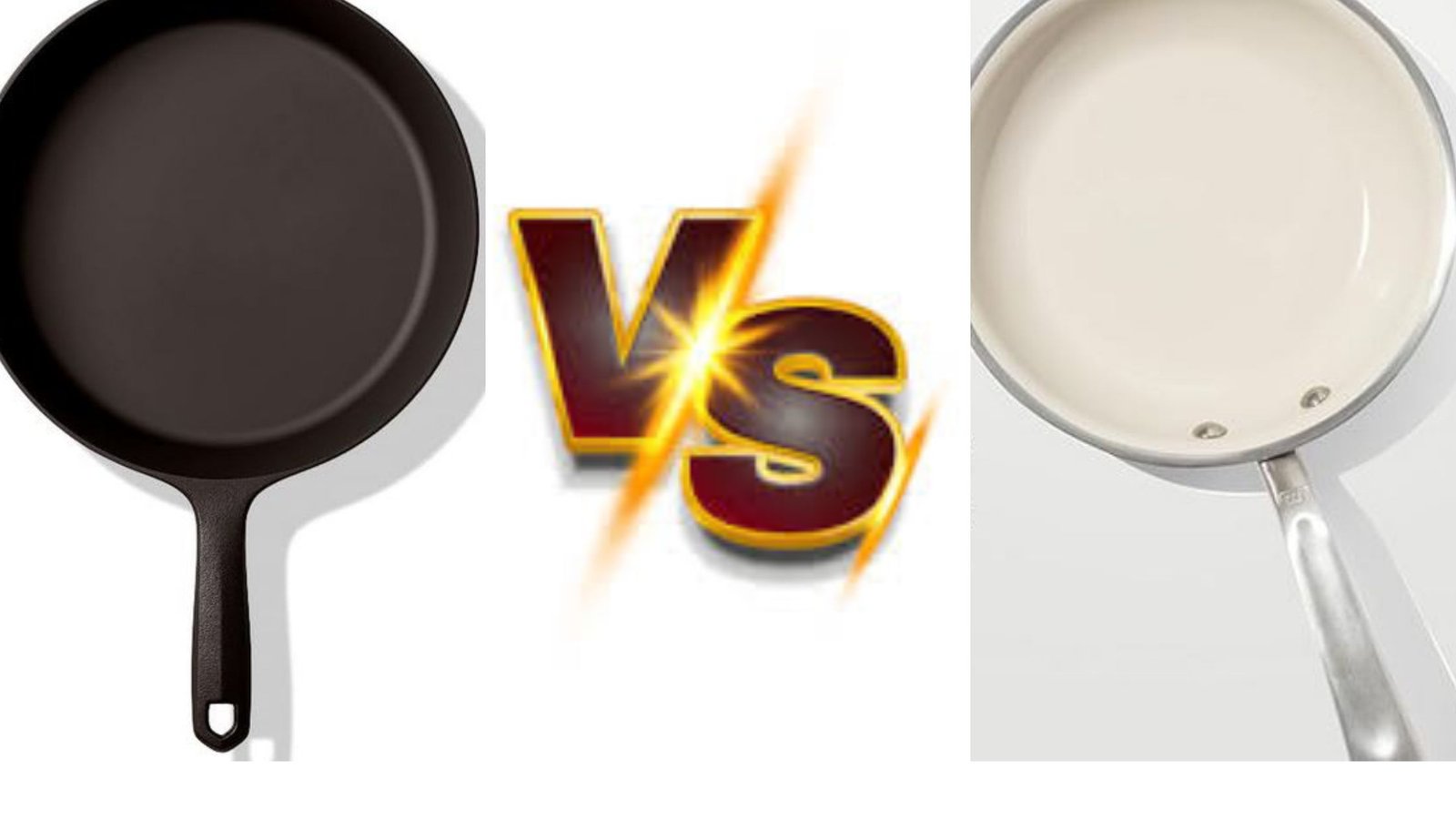
VS
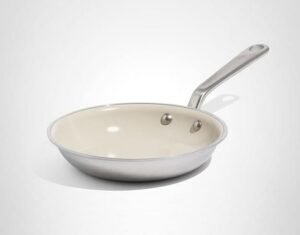
Why Even Compare These Two Kitchen Staples?
You reach for a pan when it’s dinner time, right? But these two are like night and day. Cast iron feels like something your granddad would’ve used to make biscuits; non-stick is that quick, modern cheat code. My first non-stick pan? Cleanup was stupid easy. Then I cooked a steak in cast iron one day and it changed everything—the crust was insane. So yeah, I get why people obsess over which one’s better.
Both pans are everywhere in home kitchens for a reason. Cast iron keeps getting better the more you use it, picking up this awesome flavor layer. Non-stick just lets stuff slide right off without begging. But when it comes to not poisoning yourself, actually getting good food, and not hating life when it’s time to clean… which one comes out on top? I’ve messed with both for years now. You got both in your kitchen too?
Safety First: What’s Lurking in Your Pan?
These days everybody’s paranoid about what’s leaching into their food. And honestly? Same. I don’t want mystery chemicals in my eggs either.
Non-Stick Pans: The Teflon Talk
Most non-stick pans have that PTFE coating—yep, the stuff everybody calls Teflon. Way back, PFOA was the bad guy and it was linked to some nasty health stuff. Almost all companies kicked PFOA to the curb like ten years ago, so the newer ones are PFOA-free. I switched and slept better at night.
The catch? Crank the heat too high and that coating starts smoking and giving off fumes. Not great for breathing, and holy crap it’s terrible if you’ve got birds—those fumes can actually kill pet birds. I left an empty pan on high once by accident. The smell was disgusting and I felt like crap for hours. Just keep it on medium and you’re usually fine.
Scratches are another headache. If the coating flakes off into your food, that’s gross. So yeah, I use wooden or silicone utensils now. Modern ones are tougher than they used to be, but I still treat mine like it’s fragile. Bottom line: non-stick is pretty safe if you don’t abuse it. You ever accidentally smoke one out?
Cast Iron: Iron Boost or Rust Risk?
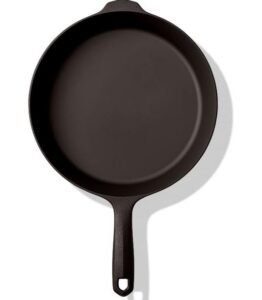
Cast iron is about as basic as it gets—just iron, usually seasoned with oil. No weird lab-made coatings. You actually get a little extra iron in your food, especially when you cook acidic stuff like tomato sauce. My doctor even said that’s not a bad thing if you’re low on iron.
The only real danger is if you let it rust. Rust itself isn’t poisonous, but it tastes awful and looks nasty. I left mine sitting wet one time and came back to orange spots everywhere. Had to scrub, dry, re-oil, re-bake the whole thing. Pain, but fixable.
Some people freak out about too much iron, but unless you’re cooking in it three meals a day, it’s not gonna hurt you. No toxic fumes either (unless you burn the oil really bad). For me, cast iron just feels cleaner and more honest. Feels safer when I’m blasting high heat on a steak.
Quick side-by-side on safety:
- Non-stick: easy for newbies, no rust ever, but watch the heat and scratches
- Cast iron: natural as hell, gives you a bit of iron, super durable, but you gotta prevent rust
I personally trust cast iron more for everyday peace of mind. But non-stick is fine for quick low-heat stuff if you’re careful.
Head-to-Head Safety Showdown
- Non-Stick Pros: No rust worries, easy on beginners. PFOA-free options abound.
- Non-Stick Cons: Fume risks at high heat, potential flaking if scratched.
- Cast Iron Pros: Natural material, adds beneficial iron. Tough against damage.
- Cast Iron Cons: Rust if neglected, heavy metal feel (literally).
I lean toward cast iron for peace of mind—feels like cooking with history. But non-stick suits quick, low-heat meals. Your call, based on habits.
Cooking Performance: Which Pan Delivers the Goods?
Performance seals the deal. You want even heat, no sticking, and killer results. I’ve tested both on everything from eggs to roasts. Let’s see who shines.
Heat Distribution and Retention
Cast iron heats slow but holds it forever. Preheat properly, and it sears like a champ. I throw steaks in mine; that crust? Perfection. Even heat in cast iron means no hot spots—great for big batches.
Non-stick? Heats quick, but thin ones warp or uneven. Premium ones do better, but they lose heat fast. Fine for eggs or veggies, but forget long simmers. I use non-stick for speedy breakfasts; cast iron for Sunday roasts. Ever notice how cast iron keeps food warm longer?
Non-Stick Magic vs Cast Iron Sear
Non-stick lives up to its name—food glides off. Omelets flip easy, no oil needed. Health bonus: less fat. But high heat? Coating degrades, so no screaming sears.
Cast iron demands seasoning for non-stick vibes. Once built, it rivals anything. Searing in cast iron builds fond—that flavorful browned bits for sauces. Non-stick? Nah, too slick for that. I burned a burger in non-stick once; no crust, just sad. Cast iron turned it epic.
Versatility? Cast iron goes stove to oven to campfire. Non-stick sticks to stovetop, no broiling. What’s your go-to dish?
Best Uses for Each
- Non-Stick Excels At: Delicate foods like fish, eggs, pancakes. Quick, low-fat cooking.
- Cast Iron Rules: Meats, cornbread, stir-fries. Oven baking, high-heat tasks.
- Shared Wins: Both handle veggies, but cast iron adds depth.
I mix ’em—non-stick for weeknights, cast iron for weekends. Performance ties to what you cook most.
Drawbacks in the Kitchen
Non-stick scratches easy; metal utensils? Big no. Limits tools. Cast iron weighs a ton—my arm aches flipping heavy loads. But build muscle, right? 🙂 Non-stick wears out faster; cast iron lasts generations.
Heat non-stick empty? Risky. Cast iron? Preheat away. I prefer cast iron’s forgiveness for clumsy cooks like me.
Maintenance: The Real Daily Grind
Maintenance decides if a pan stays or goes. Nobody wants a chore. I’ve scrubbed both; here’s the scoop.
Cleaning Non-Stick: Wipe and Done?
Non-stick cleans like a dream. Soap, soft sponge—bam, spotless. No scrubbing needed. I rinse mine post-use; takes seconds. Dishwasher-safe non-stick? Some yes, but hand-wash preserves coating.
But scratches kill it. Avoid abrasives. Coating fades over time anyway—replace every few years. Annoying, but cheap.
Ever left food crusted? Soaks off easy. Low effort wins here.
Seasoning and Caring for Cast Iron
Cast iron needs love. Season by oiling, baking—creates that patina. I do it monthly; feels therapeutic. Cleaning cast iron: No soap usually, just hot water and chainmail scrubber. Dry immediately to dodge rust.
Leftovers? Store dry. Rust hits? Sand, reseason. Time suck, but rewarding. My pan’s from grandma—still kicking.
New to it? Start simple: cook bacon often. Builds seasoning natural.
Longevity and Cost Over Time
- Non-Stick: Affordable upfront, but replace often. $20-50 lasts 2-5 years.
- Cast Iron: $30-100, but eternal with care. Heirloom potential.
- Maintenance Time: Non-stick: 1 minute. Cast iron: 5-10 minutes.
I save time with non-stick, but cast iron’s durability pays off. Lazy days? Non-stick. Invested cook? Cast iron.
Common Mistakes to Avoid
Folks soap cast iron—strips seasoning. Or stack non-stick wet—scratches. I did both early on. Learn from me: air dry everything. Use liners for storage.
Over-season? Gooey mess. Under-clean non-stick? Builds gunk. Balance is key.
VS
Pros, Cons, and When to Choose Which
We’ve covered safety, performance, upkeep. Now, stack ’em up.
Overall Pros and Cons
Non-Stick Pros:
- Super easy clean.
- Less oil needed.
- Lightweight, beginner-friendly.
Non-Stick Cons:
- Can’t handle high heat.
- Wears out quick.
- Potential health worries if abused.
Cast Iron Pros:
- Amazing heat retention.
- Builds flavor.
- Lasts forever, natural.
Cast Iron Cons:
- Heavy as heck.
- Maintenance routine.
- Slow to heat.
Sarcasm alert: Non-stick’s for when you want dinner without drama, cast iron’s for when you crave a workout. :/
My Personal Picks and Tips
IMO, every kitchen needs both. Use non-stick for eggs, cast iron for everything else. Start with cheap versions—test waters. I bought a Lodge cast iron; never looked back.
Budget tight? Non-stick. Love cooking? Cast iron. Hybrid fans? Ceramic non-sticks blend both worlds.
Eco and Health Angles
Non-stick production? Not eco-friendly. Cast iron? Minimal impact, recyclable. Health-wise, cast iron avoids synthetics. I switched more to iron for that reason.
Toss old non-stick responsibly—don’t landfill coatings.
Wrapping It Up: Your Pan, Your Rules
So, cast iron vs non-stick? Depends on you. Safety leans cast iron, performance ties per task, maintenance favors non-stick. I adore my cast iron for soulful meals, but non-stick saves rushed mornings.
Pick based on lifestyle—quick cook? Non-stick. Flavor chaser? Cast iron. Or grab both; mix it up. What’s your fave? Drop a comment; let’s geek out more. Happy cooking, friend!