
You ever stand in your kitchen staring at a sticky, scratched-up pan and think, “There’s gotta be something better that doesn’t cost a fortune”? Yeah, me too. That’s exactly how I ended up testing Granite Stone cookware (you’ll also see it spelled Granitestone or even the older GraniteRock name). I wanted something that looked fancy, released food without a fight, cleaned up fast, and didn’t make me feel like I needed a second mortgage.
Spoiler: these pans deliver on some of those promises really well… and fall short on others. I’m going to walk you through everything I learned after cooking with them for weeks—eggs, steaks, stir-fries, sauces, the works. No sales pitch. Just the real deal, like we’re chatting over coffee.
Looking for Discounted Deals?
>>> GRANITESTONE 20 Pc Ceramic Cookware Set: 37% OFF LIMITED TIME DEAL!<<<
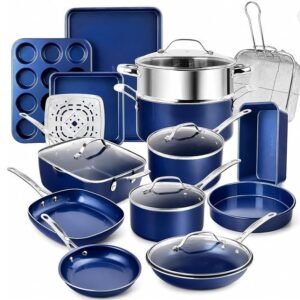
What Exactly Is Granite Stone Cookware?
First things first. It’s not actual granite. No rocks got quarried for your frying pan. Granite Stone is aluminum cookware with a multi-layer nonstick coating that has a speckled, stone-like look. The coating is usually reinforced with mineral particles or diamond dust (their marketing loves that word). Most sets are PFOA-free, which is good news if you’re trying to avoid the old-school nasty chemicals.
The brand is big on “As Seen on TV” vibes. You’ll find complete sets with pots, pans, lids, and sometimes bakeware all matching. They’re lightweight, heat up fast, and claim you barely need oil. IMO, the “barely need oil” part is half true—more on that later.
My Testing Setup and What I Cooked
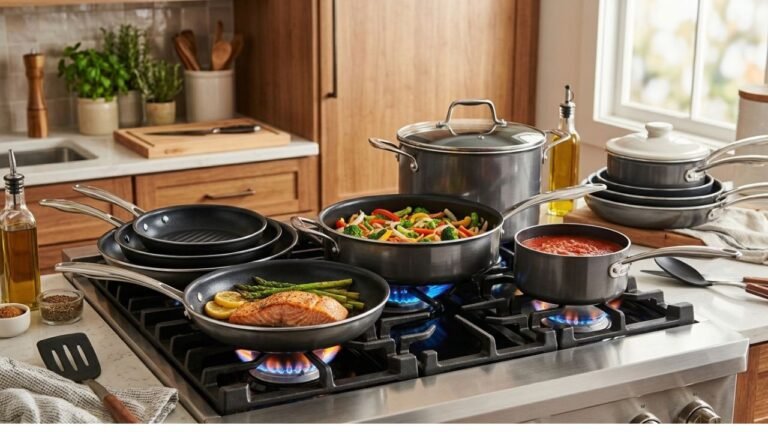
I grabbed a popular 10-piece and a larger 15-20 piece set. I used them on a regular electric coil range and a gas burner. No induction, because most of these aren’t compatible (check the bottom if you have an induction cooktop—magnet test is your friend).
Here’s what I threw at them:
- Fried eggs with zero oil
- Omelets and scrambled eggs
- Chicken thighs and a couple of steaks
- Stir-fried veggies and noodles
- Tomato sauce that simmered for a while
- Pancakes and grilled cheese
- One high-heat attempt at a hard sear
I washed some by hand and ran others through the dishwasher to see the difference. Metal utensils? I tried a few carefully, even though the boxes claim they’re “metal utensil safe.” Spoiler again: that claim is optimistic.
Nonstick Performance: The Big Selling Point
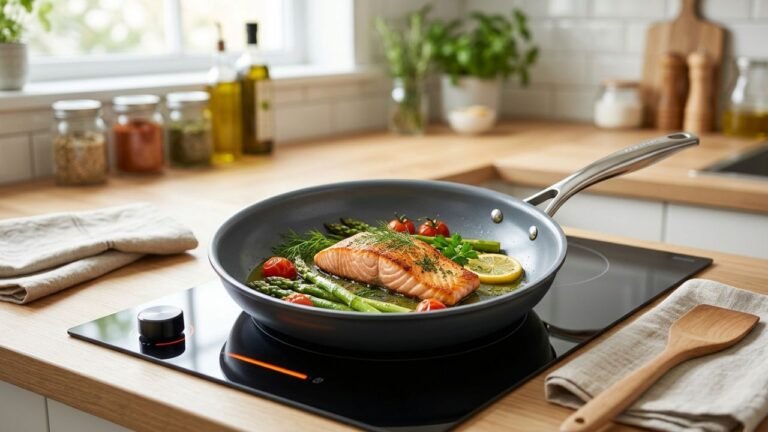
When these pans are new, the nonstick is legit impressive. Eggs slid around like they were on ice. I flipped an omelet with almost no effort. Chicken released clean. Cleanup was often just a wipe with a paper towel or a quick rinse.
But here’s the honest part. After a few weeks of regular use, I started needing a little oil or butter for the stickiest foods. High heat or leaving the pan empty too long on a hot burner sped up the decline. That’s normal for most PTFE-style nonstick coatings. The mineral/diamond reinforcement helps a bit with scratch resistance compared to basic cheap nonstick, but it doesn’t turn the pan into a forever piece.
Ever wonder why the ads show food dancing around with zero oil forever? Marketing. Real kitchens aren’t that perfect.
Key takeaway on nonstick: Excellent when brand new. Good for everyday low-to-medium heat cooking. Starts needing more fat after a few months of heavy use.
Heat Distribution and Cooking Results
These pans heat up fast because the aluminum is thin. Great for weeknight dinners when you’re hungry and impatient. Eggs set evenly. Sauce simmered without major hot spots on my electric stove. On gas, the heat was still pretty even as long as I didn’t crank it to max.
Where they struggle is heat retention. Want a deep, restaurant-style sear on a steak? These aren’t the tool. The thin base loses heat the second you drop cold meat in. You get more of a gentle brown than a crusty sear. I still made solid weeknight steaks, just not steakhouse quality.
Handles stayed reasonably cool on the stovetop for most cooking. Glass lids let you peek without lifting, which I liked. Oven-safe up to 500°F on many pieces is a nice bonus for finishing dishes or baking.
Build Quality and Durability
This is where the budget nature shows. The pans feel light—easy to lift and flip food, which is great if you have wrist issues or just hate heavy cookware. But light also means they can warp if you go from screaming hot to cold water too fast, or if you leave them empty on high heat.
Scratches appeared faster than I hoped once I got careless with a metal spatula. The speckled coating hides some marks better than smooth black nonstick, which is a small win. After heavy use, the nonstick performance dropped in the center of the most-used pans first. Typical lifespan people report is 12–24 months of regular home cooking before the coating wears enough that you’re fighting stuck food.
Dishwasher safe? Yes, according to the label. I did it. It works, but hand washing with a soft sponge keeps the coating happier longer. FYI, that’s true for almost every nonstick pan out there.
Pros of Granite Stone Cookware
Here’s the good stuff, bolded for the important bits:
- Excellent nonstick when new — food releases cleanly with little or no oil
- Very affordable — complete sets cost way less than premium brands
- Lightweight and easy to handle
- Heats up quickly for everyday cooking
- PFOA-free and marketed as healthier than older nonstick
- Oven-safe (usually to 500°F) and dishwasher-safe
- Looks nicer than basic nonstick with that granite speckled finish
- Big sets available so you can outfit a whole kitchen in one purchase
Cons of Granite Stone Cookware
Now the less fun part:
- Coating lifespan is limited — expect 1–2 years of solid performance with regular use
- Not ideal for high-heat searing because the thin base doesn’t hold heat well
- Most sets are not induction compatible
- Can warp with rapid temperature changes or high heat
- Marketing overpromises on “never stick” and “metal utensil safe”
- Handles and lids can get hot in longer cooking sessions
- Thinner construction feels less premium than heavier pans
How It Compares to Other Options
I tested these against a couple of other budget granite-style sets and one mid-range ceramic option. Granite Stone holds its own on initial nonstick and price. Some competitors like certain Carote or Sensarte sets offer better induction compatibility or slightly tougher coatings for similar money. Pure ceramic pans start out PTFE-free (nice if that’s your priority) but often lose nonstick faster in my experience. Cast iron or carbon steel last forever but need more maintenance and aren’t as “slide the egg out” friendly.
If your main goal is cheap, complete, and easy for daily eggs and weeknight meals, Granite Stone competes hard. If you want something that lasts five-plus years or handles serious searing, look higher up the price ladder or switch materials entirely.
Who Should Buy Granite Stone Cookware?
This is solid for:
- People setting up a first kitchen or replacing worn-out pans on a tight budget
- Casual cooks who do 3–5 meals a week and want easy cleanup
- Anyone who prioritizes lightweight pans and doesn’t own an induction stove
- Renters, dorms, or vacation places where you don’t want to invest heavily
Skip it (or at least lower your expectations) if:
- You cook on induction
- You sear meat hard and often
- You want pans that last a decade
- You’re extremely particular about zero PTFE
Care Tips to Make Them Last Longer
Treat them gently and they’ll repay you:
- Medium heat is your friend. High heat kills nonstick faster.
- Use silicone, wood, or plastic utensils most of the time.
- Hand wash when you can. Soft sponge, mild soap.
- Don’t put a hot pan under cold water.
- Store carefully so the bottoms don’t scratch the insides of other pans.
- A light oil wipe after washing can help maintain the surface.
Honest Verdict and Ratings
After all the testing, here’s how I rate them on a simple 1–10 scale based on real kitchen use:
- Nonstick performance (new): 9/10
- Nonstick durability over time: 6/10
- Heat distribution: 7.5/10
- Build quality / longevity: 6/10
- Value for money: 8.5/10
- Ease of cleaning: 9/10
- Overall: 7.5/10
My final take: Granite Stone cookware is a good budget workhorse, not a forever pan. It does exactly what most home cooks need for everyday meals without breaking the bank. The nonstick is genuinely useful when new, cleanup is almost laughably easy, and the price makes it hard to feel buyer’s remorse. Just go in knowing the coating won’t last forever and the pans aren’t built for restaurant-level abuse. If that matches your cooking style and budget, grab a set. If you want heirloom-quality gear, keep looking.
Would I buy them again for a starter kitchen or a second set for camping/RV use? Yeah. For my main everyday pans long-term? I’d eventually step up. But for the money, they deliver more wins than losses.
Comparison Table: Granite Stone vs Common Alternatives
| Feature | Granite Stone | Basic Cheap Nonstick | Mid-Range Ceramic | Cast Iron |
|---|---|---|---|---|
| Initial Nonstick | Excellent | Good | Very Good | Needs seasoning |
| Durability (years) | 1–2 typical | 1 or less | 1–3 | Decades |
| Weight | Lightweight | Lightweight | Lightweight–medium | Heavy |
| Induction Compatible | Usually no | Varies | Often yes | Yes (if magnetic) |
| High-Heat Searing | Weak | Weak | Fair | Excellent |
| Price for Full Set | Low | Very low | Medium | Medium–high |
| Cleanup Ease | Excellent | Good | Excellent when new | More effort |
| Best For | Budget everyday cooking | Temporary use | Health-focused low-medium heat | Longevity & searing |
Frequently Asked Questions
Is Granite Stone cookware actually made of granite?
No. It’s aluminum with a speckled nonstick coating that looks like granite.
Does it contain PTFE / Teflon?
Most versions use a reinforced PTFE-based nonstick coating. It’s PFOA-free, but not PTFE-free. Always check the specific product details if that matters to you.
Can I use metal utensils?
The packaging often says yes. In real life, metal will scratch and shorten the life of the coating. Stick to softer utensils for best results.
Is it safe?
Modern versions are PFOA-free and generally considered safe when used as directed (no extreme overheating of empty pans). If the coating starts flaking badly, replace the pan.
Will it work on induction?
Most standard Granite Stone sets will not. Look for specifically labeled induction-compatible versions or test with a magnet.
How long do they really last?
With careful use, 12–24 months of good nonstick performance is realistic for regular home cooking. Heavy daily use shortens that.
Should I buy the big set or individual pans?
The complete sets offer the best value if you need multiple pieces. Start with a fry pan or two if you just want to test the coating.
There you go. That’s the full picture from someone who actually cooked with the stuff instead of just reading the box. Granite Stone cookware isn’t magic, and the ads stretch the truth a bit. But for the price and the everyday convenience, a lot of people (including me for certain uses) will be happy with the purchase. Grab a set if it fits your needs, treat it reasonably, and enjoy the easy cleanup while it lasts. What’s your current pan situation—still fighting stuck eggs every morning?