
You ever stare at your old nonstick pan and wonder if it’s quietly plotting against you? I did. Last year I flipped an egg and watched a little flake of coating come off with it. Not exactly the breakfast vibe I wanted.
I’m not some lab-coated chemist. I’m just a regular person who cooks almost every day and got tired of the mixed messages about nonstick pans. So I dug into what experts actually say, talked to a few people who know more than me, and tested a bunch of pans in my own kitchen. Here’s the straight talk on the safest non-stick frying pan options right now.
Safest Non-Stick Frying Pan with Affordable Price
Safest Non-Stick Frying Pan: 20% OFF!
Why Everyone Suddenly Cares About Nonstick Safety
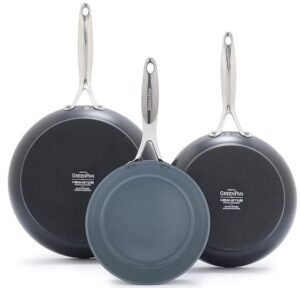
Nonstick pans make life easier. Eggs slide right off. Cleanup takes seconds. But the chemicals behind that slick surface have people worried—especially PFAS, those “forever chemicals” that stick around in the environment and our bodies.
Traditional nonstick coatings use PTFE, better known as Teflon. Manufacturers phased out the worst chemical, PFOA, years ago. Most experts still say these pans are fine if you treat them right. Keep the heat medium or lower. Don’t scratch them. Toss them when the coating starts peeling.
Still, a lot of folks want zero PFAS. That’s where the newer options come in.
Ever wonder if the “non-toxic” label on the box actually means anything? Spoiler: sometimes yes, sometimes no.
What Makes a Nonstick Pan “Safe” Anyway?
Safety comes down to a few things:
- Does the coating contain PFAS or PTFE?
- What happens when you heat it too high?
- Does anything leach into your food?
- How long does the coating last before it starts breaking down?
I used to think “ceramic” automatically equaled safe and perfect. Turns out it’s more complicated than that.
Ceramic Nonstick: The Popular PFAS-Free Option
Ceramic nonstick pans use a silica-based coating (basically a glass-like layer) instead of PTFE. Brands like GreenPan, Caraway, Our Place, and Made In push these hard.
I bought a GreenPan a couple years ago. Eggs slid around like they were on ice. Cleanup was almost too easy. I felt pretty smug about it for a while.
Here’s the honest part: ceramic coatings don’t last forever. Most start losing their nonstick magic after one to three years of regular use. Some hold up better than others, but none match the durability of a good PTFE pan when it comes to pure stick-resistance over time.
Pros of quality ceramic nonstick:
- No PFAS or PTFE in the coating
- No toxic fumes if you accidentally crank the heat
- Usually free of lead and cadmium when the brand tests properly
- Lightweight and heat up fast
Cons:
- Coating wears faster
- You still need to use lower-to-medium heat for best results
- Some cheaper “ceramic” pans may not be as clean as they claim
IMO, if you want a nonstick surface and refuse to deal with PTFE, a well-tested ceramic pan is the closest thing we have right now. Just don’t expect it to last a decade.
Brands Experts and Testers Mention Most
I’ve cooked with several of these. Here’s what stands out.
GreenPan
Their Thermolon coating gets a lot of positive mentions. Many of their lines are explicitly PFAS-free, PFOA-free, and PTFE-free. Some models hold up better than the average ceramic pan. I like that they publish testing info. The Valencia Pro and some of the newer lines perform well for everyday cooking.
Caraway
Pretty pans. People love the look. They publish third-party test results showing no detectable PFAS, lead, or cadmium in many reports. Performance is solid at first. Like most ceramic, the nonstick fades with heavy use. Good if you want a matching set and care about aesthetics.
Our Place Always Pan
The internet favorite for a reason. Versatile shape, ceramic coating, and strong marketing around non-toxicity. Independent checks have found it free of common PFAS. Real-world feedback shows the coating can wear faster than some competitors under daily use. Fine for eggs and lighter cooking. Not a forever pan.
Made In CeramiClad
Built on a stainless core with a ceramic coating. They test for a range of PFAS and heavy metals. Feels more substantial than many aluminum ceramic pans. Still a coating that will eventually need replacing.
FYI—always check the specific product line. Some brands sell both ceramic and traditional nonstick, and the marketing can blur the lines.
The Truly Long-Term Safe Options (No Coating Required)
Here’s where I landed after all the research and kitchen experiments.
If you want the lowest chemical concern and something that lasts years or decades, skip the coating altogether.
Cast Iron
Lodge makes solid, affordable skillets. Once you season it properly, it develops a natural nonstick surface. It can handle high heat. It lasts generations if you treat it right. Downside? It’s heavy, and you need to maintain the seasoning. I keep one for searing steaks and another for everyday use. Once you get the hang of it, eggs come out fine.
Carbon Steel
Lighter than cast iron. Similar seasoning process. Great for high-heat cooking. Develops a slick surface over time. Many professional cooks swear by it.
Stainless Steel
No coating. Completely inert for most people. Heat control and a little oil or butter make the difference between stuck food and perfect results. Brands like Made In and All-Clad make excellent ones. I use stainless for sauces and anything acidic. Learning curve exists, but once you figure out the temperature, it’s reliable.
These options don’t give you the effortless slide of a brand-new nonstick pan. They give you peace of mind and longevity instead.
How I Actually Cook Now
I keep a small ceramic nonstick pan just for eggs and the occasional delicate fish. I treat it gently—silicone utensils only, medium heat, hand wash. When it starts sticking more than I like, I replace it.
For everything else I reach for stainless or cast iron. The switch felt weird at first. Now it feels normal. My food tastes the same or better, and I stop worrying about what’s flaking off.
Ever notice how some people act like you have to pick one type of pan for life? You don’t. Mix and match.
Common Myths That Drive Me Nuts
“All nonstick is toxic.”
No. Properly used PTFE pans don’t expose you to meaningful levels of harmful chemicals according to most current expert consensus. Overheating or using a destroyed pan is a different story.
“Ceramic lasts forever.”
It doesn’t. Plan on replacing it every couple of years if you cook daily.
“PFOA-free means completely safe.”
PFOA is gone from U.S. production of these coatings. Other PFAS can still be involved in making PTFE. If avoiding the whole group matters to you, go ceramic or uncoated.
“You can cook on high heat with any nonstick.”
Bad idea for both PTFE and ceramic. Medium heat keeps the coating happier longer.
Practical Buying Tips
Look for these phrases on the product page or box:
- PFAS-free
- PTFE-free
- PFOA-free
- Third-party testing results (bonus points)
Avoid vague claims like “eco-friendly” or “green” with no specifics.
Check induction compatibility if you have an induction cooktop. Confirm oven-safe temperatures if you finish dishes under the broiler.
Budget reality check: a good ceramic pan usually costs more than a basic PTFE one and may need replacing sooner. A solid cast iron skillet often costs less and can outlast both.
Care Habits That Actually Matter
Whatever pan you choose, these habits help:
- Use medium or lower heat for coated pans
- Prefer silicone, wood, or plastic utensils on coatings
- Hand wash when possible (even if the label says dishwasher-safe)
- Don’t stack pans without protection
- Replace any pan once the coating is scratched or peeling badly
For cast iron and carbon steel, dry them thoroughly and oil them after washing. That’s the whole game.
My Personal Take After Testing and Researching
I used to chase the perfect nonstick pan. Now I think the “safest” answer depends on what you value most.
If you want maximum ease and are okay replacing the pan every few years, get a reputable ceramic nonstick from a brand that publishes testing. GreenPan and Caraway sit near the top of that list for many people right now.
If you want something that won’t need frequent replacement and has virtually zero coating concerns, go cast iron, carbon steel, or stainless. Learn the technique. It’s not hard once you practice a few times.
I keep both approaches in my kitchen. The ceramic handles the delicate stuff. The uncoated pans handle everything else. That combination feels like the practical sweet spot.
Comparison Table: Popular Options at a Glance
| Type | PFAS/PTFE Free? | Durability | Best For | Maintenance Level | Approx. Lifespan (Daily Use) |
|---|---|---|---|---|---|
| Ceramic Nonstick | Yes (reputable brands) | Moderate | Eggs, fish, low-oil cooking | Medium | 1–5 years |
| Traditional PTFE | No | Higher | Everyday nonstick ease | Medium | 3–7+ years |
| Cast Iron | Yes | Excellent | Searing, versatility | Higher | Decades |
| Carbon Steel | Yes | Excellent | High-heat cooking | Higher | Decades |
| Stainless Steel | Yes | Excellent | Sauces, general cooking | Lower | Decades |
Final Thoughts
No pan is perfect. Marketing loves to oversell. Real kitchens involve trade-offs.
The safest non-stick frying pan isn’t a single product. It’s the one that matches how you cook, how carefully you treat your tools, and how much chemical exposure you’re willing to minimize.
Start with what you actually use most. Eggs every morning? A good ceramic pan makes sense. High-heat searing and long-term use? Uncoated materials win.
You don’t need to overhaul your entire kitchen overnight. Replace the worst pan first. Pay attention to how food behaves. Adjust from there.
That’s what experts quietly recommend when you strip away the hype. And after cooking through a lot of pans myself, I agree.
Now go make something good. Your breakfast (and your peace of mind) will thank you. 🙂
FAQs
Are ceramic nonstick pans really safer than Teflon?
They avoid PFAS and don’t release the same fumes if overheated. Many people prefer them for that reason. They wear out faster, so you replace them more often.
Is it safe to keep using my old nonstick pan?
If the coating is intact and you cook on medium heat or lower, most experts say yes. Once it starts peeling or scratching badly, replace it.
Do I need to throw out all my PTFE pans?
Not necessarily. Use them carefully until they wear out, then switch if you want to go fully PFAS-free.
What’s the cheapest safe option?
A pre-seasoned Lodge cast iron skillet. It costs less than many fancy ceramic pans and can last a lifetime with basic care.
Can I use metal utensils on ceramic pans?
Most manufacturers say no. Stick to silicone, wood, or nylon to protect the coating.
How often should I replace a ceramic nonstick pan?
When food starts sticking more than it used to, or when you see visible wear. For heavy daily use, plan on every 1–3 years with many models.
That’s the real talk. Cook what you love and pick tools that let you stop worrying about the pan.